





Brown rice: why is it healthier and more nutritious than white rice?
 Author:
 Let's not kid ourselves, a bodybuilding diet is pretty much a stereotypical affair. And chicken and rice is an inherent part of it. But lately, there's been a bit of a backlash against both of these items, so chicken and rice should be replaced with, say, beef and brown rice. We will not discuss the issue of meat this time, but we will look at brown rice and whether it is actually healthier or just another popularized myth in today's article.
Article content:
- What is the difference between white and brown rice?
- What are the benefits of brown rice?
- But is it really better?
- What to prefer in the diet?
What is the difference between white and brown rice?
Our article today should start with a simple and brief explanation of the differences between white and brown rice. They are not different crops, the only difference is in the processing. Both types of rice have to undergo some processing after harvesting, but while brown rice has only a partially milled husk and the germ and surface layer of the grain completely intact, white rice is milled whole , including the germ and surface layer of the grain. This is, of course, reflected in a slightly different composition.

Brown and white rice are completely identical crops, differing only in processing.
What are the advantages of brown rice?
In terms of composition, brown rice has an extreme advantage over white rice. While white rice has only 1 gram of fibre, according to calorietabulky.cz, brown rice has 9 grams of fibre.In addition, there is of course a difference in the content of B vitamins, manganese, magnesium, iron, phosphorus and other micronutrients. And all the ingredients speak in favour of brown rice in terms of content. The same goes for the content of various other antioxidants, which brown rice is also proven to be loaded with. No wonder, then, that the popularity of brown rice is literally skyrocketing and many athletes have even given up on white rice altogether. But is it really that simple?
But is it really better?
As you can probably guess given the question above, the whole issue of brown and white rice is not nearly as simple. The vitamin, antioxidant or fibre content alone does not determine that it will be better for you or that it is preferable. There are three important things to consider:
Are the vitamins and minerals in brown rice well utilized?
The health benefits of brown rice go hand in hand with its negative content. The surface layer of the grain is richer in phytic acid and phytates, a well-known group of antinutrients that block the proper use of iron or zinc from food, among other things. And after all, even fibre itself can act as an antinutrient in some cases. Since it is indigestible, it can bind micronutrients to itself and carry them out of the body. Specific scientific studies speak, for example, of a correlation between pectin and poorer calcium utilization. Thus, it is easy to deduce that although brown rice may contain more vitamins than white rice, its utilization may not be any better.
Could some substances even harm me?
Don't worry, we don't want to scare you. It's just good to remember that you can actually look at any food from both a positive and negative perspective, and some sort of compromise should be preferred. On the other hand, if you want to talk about brown rice in the context of its dozens of minerals and fiber, it might be worth mentioning that it contains arsenic. Of course, all rice contains some amount of this carcinogen, so it is, after all, a good idea to wash it several times, or better still, leave it to soak in water overnight. However, it is the brown rice coverings that tend to accumulate even more arsenic than white rice.
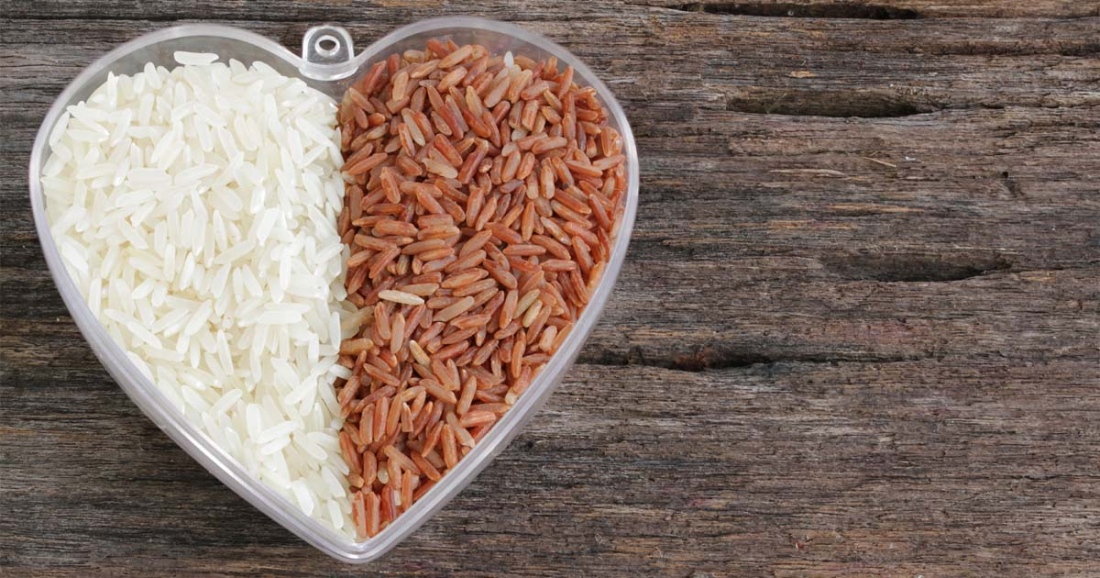
A higher content of beneficial substances does not mean that these substances are better utilised.
But the germ in brown rice saves the day, doesn't it?
The sprouts themselves, which are found only in brown rice, offer some hope. They are rich in PUFAs, polyunsaturated fatty acids, a group of acids that includes the very popular omega 3. Unfortunately, the content of these substances makes rice much more prone to rancidity, which means that brown rice cannot be stored for as long as white rice.
What to prefer in your diet?
Now we come to the key question of today's article. What rice should you prefer in your diet? If we had to recommend only one, we would definitely lean towards white rice for regular consumption. After all, the difference in the content of beneficial substances is not staggering and the positives of brown rice often offset some of the negatives. Fortunately, it is not necessary to recommend only one. If you like them both, feel free to alternate. The main thing is to have a varied diet and to enjoy your food. And there's nothing worse than a stereotypical diet. If you don't happen to have any inspiration on what side dishes to use with meat, we recommend you check out our article on non-traditional carbohydrate sources.
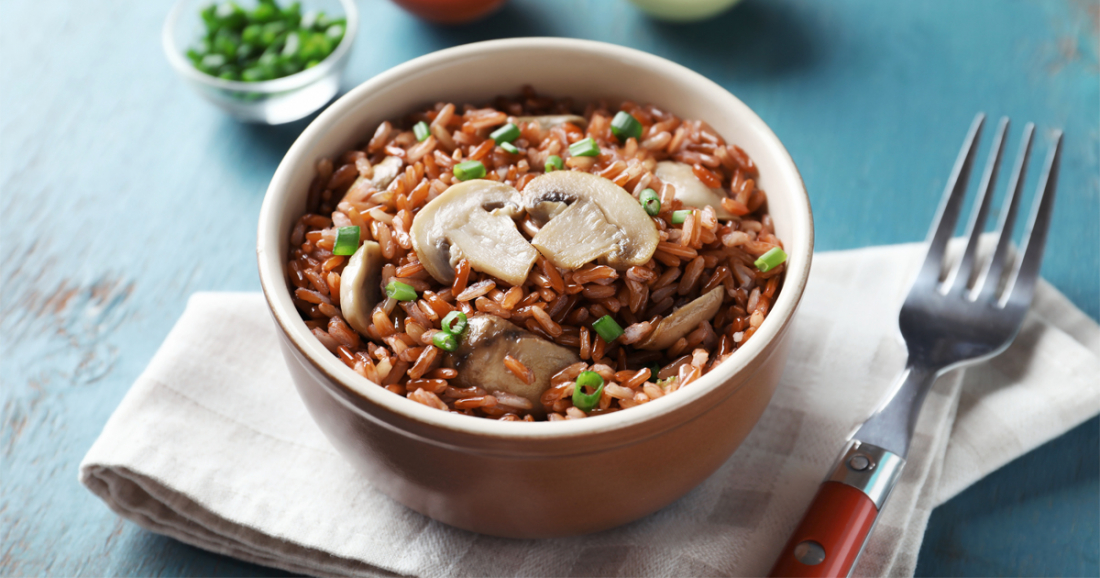
As brown rice has a slightly nutty taste, it goes well with other types of dishes and it is certainly not a problem to incorporate it into your diet from time to time.
What to take away from today's article?
The main thing you should take away from today's relatively short article is that the issue of white and brown rice is not black and white. Although brown rice has more fibre, vitamins, minerals and antioxidants, it also has more antinutrients and arsenic and cannot be stored for as long. However, if you like brown rice, there is no harm at all in having it instead of white rice from time to time as part of a change in your diet.
Recommended

No posts have been made yet.








