





8 warning signs you've chosen the wrong nutritionist
 Author:
 Anyone in the Czech Republic can work as a nutrition counsellor without having to have a proper education. It is not surprising that there are so many of them in our country. What warning signs can tell us that we have not put ourselves in the hands of the right person?

The difference between a nutritionist and a nutritional therapist
Nutritional counselling is a free trade under the law, which is not subject to any educational qualifications. It can be practised by anyone who meets the conditions for a trade licence, is self-empowered and has good character. A nutrition counsellor should follow the ethical and professional code of the Alliance of Nutrition Counsellors of the Czech Republic, which specifies, among other things, that he or she should work exclusively with healthy people in order to improve their fitness. However, this is often violated and nutrition counsellors prescribe diets to individuals with, for example, diabetes, severe obesity or thyroid disease.
Want to get fit orchange your lifestyle? Order a customized diet or workout from Supertrener.cz
A nutritional therapist is a non-medical health professional who has a college or higher degree in nutritional therapy or a registered dietitian. His or her education allows him or her to work in health care settings and with sick people. They understand anatomy, physiology, biochemistry, pharmacology, nutritional toxicology, therapeutic and clinical nutrition, etc.
How do you know that the consultant in question is probably not the best choice?
1) He has no training
Before you work with someone, look to see if they state what education they have. Usually on the counsellor's website you will find information about what school or accredited courses in nutrition they have attended. If it's a professional who is serious about his or her job and takes it responsibly, you'll see that he or she is also constantly educating himself or herself and expanding his or her horizons by keeping up with the latest studies and attending professional seminars.
There's a lot of social media buzz about, for example, a mum who has managed to lose weight after giving birth, shares her photos everywhere and suddenly feels like she's a competent person who can make a living by creating menus for others. No doubt she deserves credit for her progress, but does that automatically make her a nutritionist? Absolutely not. The women in question are often under the impression that they don't need any education and that what has worked for them will be effective for all other women and that this is the right approach. Not surprisingly, their diets are based on very low intake (below basal metabolic rate) or omitting all carbohydrates or fats. Such a diet cannot be sustained long term, it does not benefit the body and you are asking for a yo-yo effect.
2) A strict initial consultation
Whether it's a face-to-face consultation or filling out a form online, you should never feel like the nutritionist was done with you too quickly. He or she should find out as much information as possible about your health, your current eating habits, what profession you work in, how much natural exercise you get, whether you play sports, if you have any (dis)favourite foods and what your goals are. Height, weight and age are not enough, the consultation should also include a measurement on a special device that measures the proportion of fat, muscle and water in the body.

3) Zero individual approach
A good nutrition counselor understands that what works for one client may not be effective for another. He or she knows that we all have different genetic makeups, health conditions, lifestyles and goals and will tailor the eating plan accordingly. It is better to go to someone else if the consultant in question works in a style that gives out menus like a treadmill, doesn't care about you in any way and his goal is to rake in money and you shouldn't bother him further. It's bad if you don't have the opportunity to discuss the functionality of the diet with the consultant after a while, and at most he will offer to rework it for more money. Did you need a gluten-free diet because of an intolerance or nut-free because of an allergy and absolutely disregarded it? Wrong too.
4) He builds his diet around smoothies
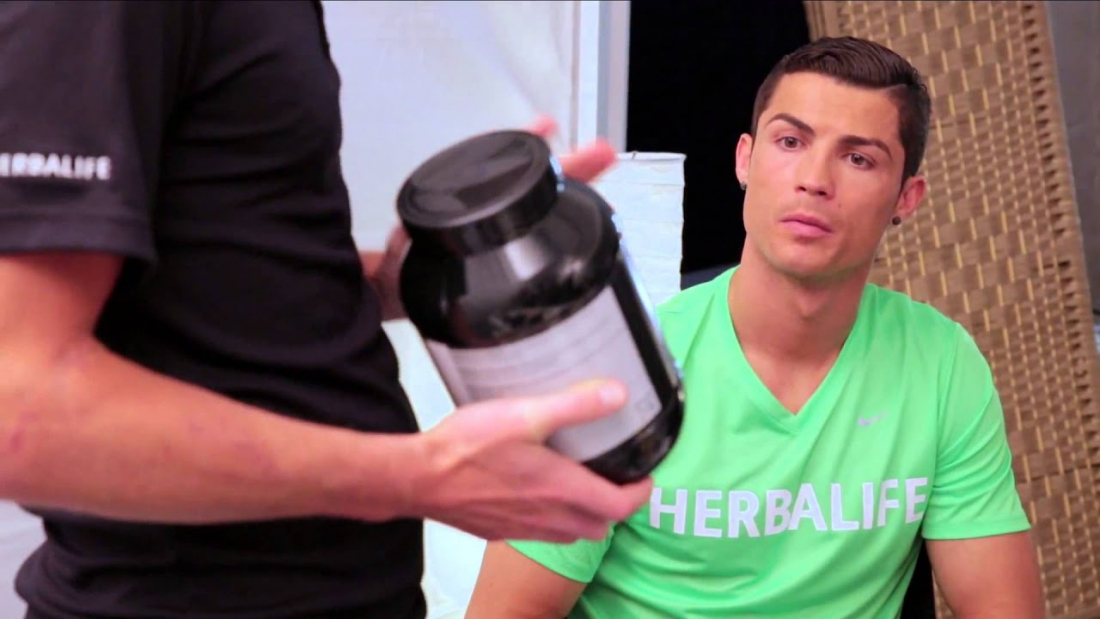
If you come across someone who tells you in the first few minutes of your consultation that you won't lose weight without special shakes and that you need to replace the main meals of the day with them, run away quickly and don't give him a penny. He is not so much a nutritionist as a dealer of dietary supplements who has no idea how to properly compose a healthy diet, he is only interested in selling these overpriced "shmakulades". Drinking shakes instead of food is nonsense, not to mention that if you look at the ingredients, you'll see that it's a mixture of soy, fructose, thickeners, etc., which is definitely not something one can live without, let alone survive on in lieu of a healthy full meal.
5) You don't really know what it looks like
This point refers to online nutritionists that you work with over the internet and don't see in person. You should know who you're paying, a photo of the advisor will tell a lot about the advisor themselves and whether they are able to follow what they recommend to others. If you find a site where you can order an online diet plan with a bomb 70% off and you don't even know who will be handling it, you better close it down and find someone more trustworthy.
Recommended
Maca 100cps 1+1
Nebbia Fitness šortky s vysokým pasem GLUTE PUMP 240
Beauty Booster 100cps 1+1
Nebbia Washed legínové šortky s vysokým pasem HERITAGE 780
6) In the past, he's been busted for sending multiple clients the exact same menu
This is a clear warning sign that it would be better to contact another advisor. If the person in question is known to have been found to have sent out the same diet plan to multiple clients on the gram in the past, don't expect a serious approach and a job well done.
It might seem that this is a vice mainly of fitness influencers from Instagram, but this practice is not alien to some bodybuilding competitors and other nutrition consultants.
7) Negative reviews
Yes, it's hard to find someone who will have 100% satisfied clients, but even negative reviews and how the consultant reacts to them can tell you a lot about the quality of their menus and approach to clients. For example, does the consultant have a Facebook group or an Instagram page, and does he or she kick every client who has reservations about the diet or zero results out of the group, block them and delete their comments, instead of commenting or helping to find and resolve the cause of the zero progress? If the deletion was not warranted (e.g. profanity, etc.), this may be one indicator that this nutritionist's actions are not fair and quite possibly the processed diet will be of poor quality.
8) Stolen photos
It's no news that some nutrition consultants have no shame in downloading someone's progress photos from the internet and passing them off as their own clients' results. Just google a few photos from his website and you will find out whether the admirable weight loss of Zuzana and Jirka from Brno is not really the progress of Susan and George from America.

Bottom line
Before you give someone a large sum of money to put together a diet plan, check it out carefully and look out for the signals that might alert you to the fact that you have made the wrong choice. Don't judge a book by its cover - the "perfect" Instagram fitness expert isn't necessarily a nutritionist. If you've decided that you'd rather make your own diet, go ahead, you'll find a wealth of useful information on our site as well as straightforward techniques on how to make your own diet.
Have you had any bad experiences with nutritionists? Share in the comments.
Image and information sources: alliancevyziva.com, zakonyprolidi.com, theralogix.com, thisismoney.co.uk, brightside.me, pinterest.com
No posts have been made yet.








