





How does cigarette smoking affect our lung capacity?
 Author:
 As you can probably guess, cigarette smoking is an extremely addictive and harmful activity. But few organs are as critically affected by cigarettes as the lungs. That's why we'd like to dedicate an entire separate article to them, where we'll take a closer look at how the lung capacity is affected, the overall health of this organ, and the most common respiratory problems of sport smokers.
How do human lungs work?
For the best possible understanding of today's article, it would certainly be good to mention how the lungs actually work. When we inhale air, it flows through the trachea into the bronchi, bronchioles and then into the lung chambers, where oxygen enters the blood through the delicate cell wall. Exactly the opposite route is taken by carbon dioxide, which goes from the blood into the lungs and then out of the body. Once this mechanism is even partially disrupted, respiratory difficulties and various diseases occur.
Why is smoking a problem for the lungs?
Smoking is quite a major problem for the lungs. You are no stranger to comparisons between the healthy lungs of a non-smoker and the black lungs of a person who has smoked de facto all his life. But appearance is not the only problem, of course; the various defects and differences in the lungs of smokers and non-smokers also manifest themselves at the cellular (microscopically observable) level. So in today's rather comprehensive article we will go through both:
Differences in lung appearance
Even with the naked eye you can see that the lungs of a smoker are many times darker compared to those of a non-smoker, with very common tarry patches of dark black colour.
At first glance, this phenomenon is apparent for a relatively simple reason: the lungs contain so-called macrophages, which are immune cells that have been shown to be able to absorb various foreign particles that are harmful to humans. But the problem is that these substances are not easily processed even by macrophages, so they are "enclosed" in so-called vesicles, which are membrane sacs. There, these usually black or dark brown pollutants are stored until the macrophage dies and another takes its place. Since this process is constantly repeated, after several years of active smoking, a smoker's lungs are almost entirely black. But appearance is not the only problem.
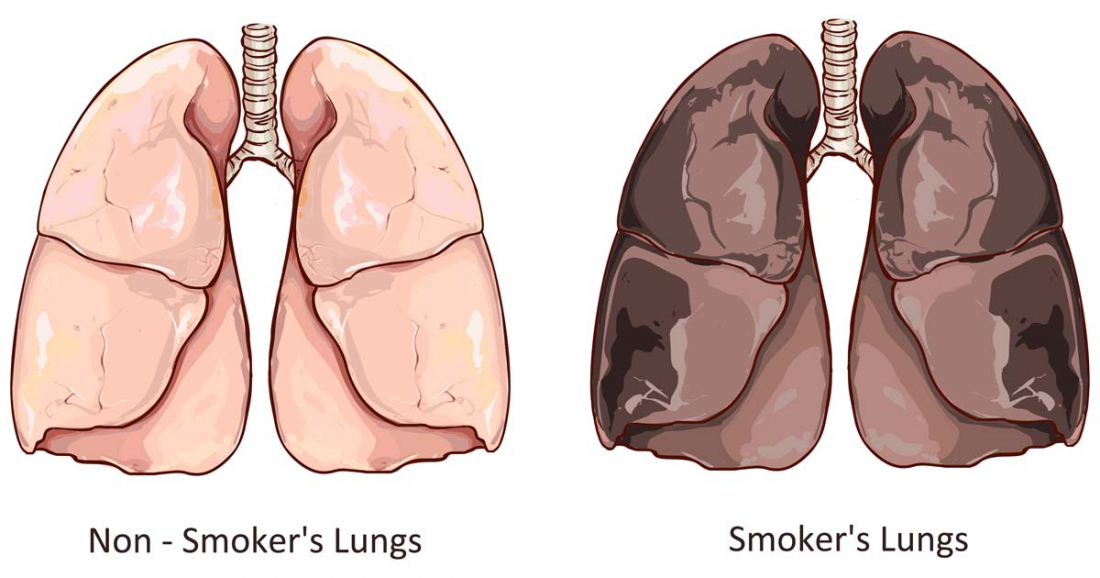
You can tell a smoker's lung from a non-smoker's lung at a glance. But there's a lot more under the microscope.
Differences at the cellular level
Once you replace the naked eye with a microscope, you discover a whole host of other and much more serious problems. Each tissue is affected by smoking in slightly different ways:
- Cilia - These cells are responsible for trapping harmful particles of cigarette smoke. Once trapped, they are able to "expel" them from the lungs into the throat, and once swallowed, the harmful particles are destroyed by stomach acids. The problem is that in the long run, cigarette substances such as formaldehyde or acrolein interfere with the functioning of the cilia, making the effect of the substances in the body that much more destructive. The irony is that, according to expert publications, the same compounds are usually found in e-cigarette cartridges.
- Capillaries - These thin blood vessels are responsible for, among other things, the binding of oxygen to haemoglobin, which can then travel throughout the body in the blood. The problem is that smoking thins these blood vessels, making the whole process more difficult.
- Lung Chutes - These are hollow formations in the lungs where the actual exchange of gases between air and blood takes place. If you actively and prolonged smoke, you reduce the ability of the lung chutes to properly expand, thus impairing the entire gas exchange.
- Mucus - Mucus in smokers is full of harmful microparticles from cigarette smoke, and the problem is that it forms much more often than in non-smokers. On the one hand, it reduces the amount of air a smoker is able to inhale, but on the other hand, it also provides a breeding ground for a variety of bacteria.
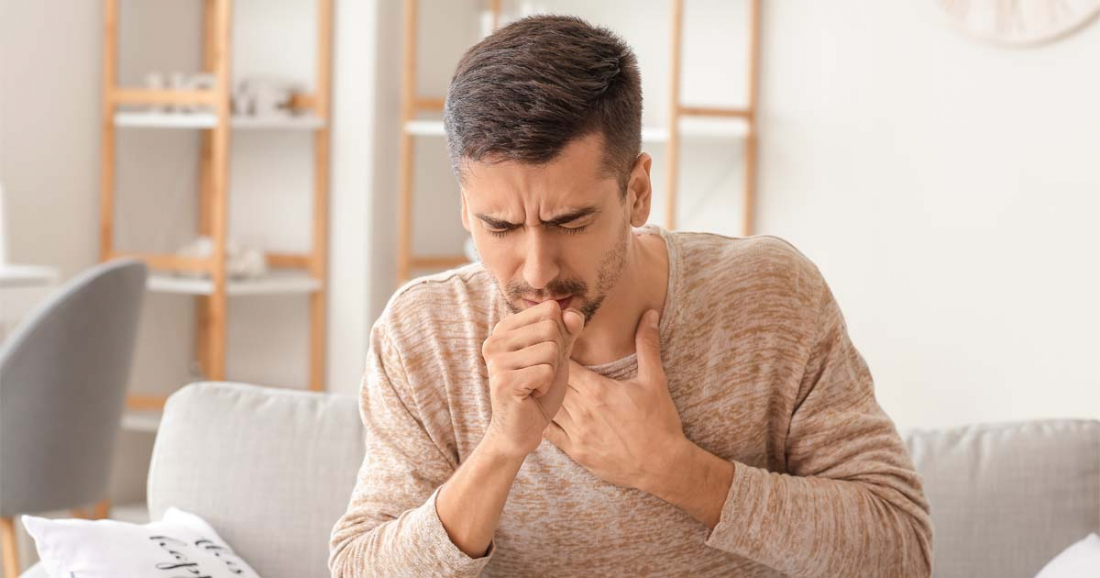
Coughing up mucus is relatively common in smokers and is related to lung capacity, among other things.
Does smoking reduce lung capacity?
Today we can say with certainty that smoking reduces lung capacity. But the question still remains how much and to what extent cigarettes are to blame. The answer seems to be very individual, because while some sources report a reduction in lung capacity of more than a third, others offer only negligible figures. Although some popular articles talk of a 45% lung capacity reduction in e-cigarette smokers, these are more likely to be exceptions.
A number of indicators are used to determine lung capacity, some of which are significantly affected and others less so. For example:
- Total Lung Capacity (TLC) - This is the total lung capacity, which determines the total amount of air a person is able to inhale in one breath as deeply as possible. A decrease in TLC value occurs either due to damage to the lung chambers or due to mucus accumulation. Either way, these values are generally lower in smokers and the increase is mainly due to the development of chronic obstructive pulmonary disease(COPD).
- Forced Vital Capacity (FVC) - In this case, it is the total volume of air exhaled and expert studies agree that the difference between smokers and non-smokers is very significant for this indicator.
- Forced Expiratory Volume (FEV1) - One-second vital capacity is also often reduced in smokers. This is mainly due to the reduced elasticity of the airways and the impaired condition of the lung chambers where some air may be trapped.
When you combine these three (and, of course, a number of other, less pronounced) indicators, it should be clear that lung capacity is definitely affected by smoking. In practice, this will mean that you will be much more short of breath, cough more often and even running or cycling may become problematic for you. In addition to your general health, physical activity and the number of cigarettes you smoke, your genetics will also determine how much your lung capacity is reduced by smoking.
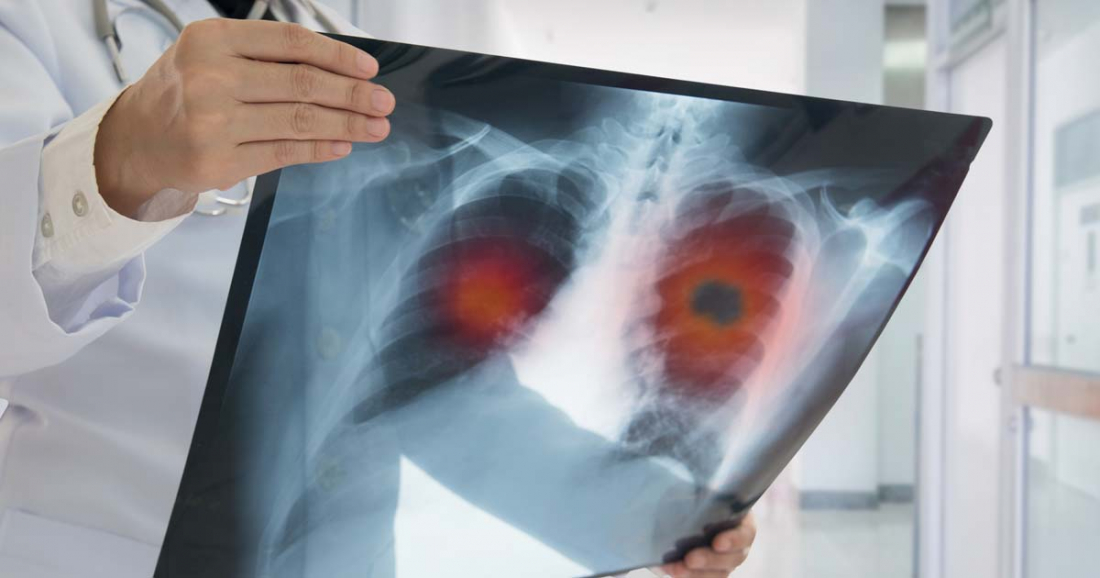
Smoking is behind a number of diseases, including cancer and COPD.
The lungs have a tremendous capacity for regeneration. Fortunately.
To make at least one positive point in today's article, it's worth mentioning that the lungs, along with the liver, have a tremendous capacity for regeneration. Fortunately, according to expert sources, the first signs of improvement in the overall condition of the lungs can be seen within the first few days of abstinence. Of course, the longer you go without smoking, the more positives it will bring to your lungs, although not all changes are reversible. For example, the way the genes behind lung cancer are expressed won't be fixed by quitting smoking, according to experts.
What can you take away from today's article?
We hope that although today's article was full of quite complex information, it has given you a new perspective on smoking. In fact, apart from the appearance of the lungs, cigarette smoke also affects the ability to carry oxygen to the blood, causes infections due to lung congestion and even reduces the capacity of the lungs themselves. Although we wouldn't like to moralize in today's article, every cigarette you indulge in can have a positive impact on your health. If you want to quit smoking, don't hesitate to contact experts or a number of specialist sites including Smoking Kills. Because it's never too late.
Recommended




No posts have been made yet.








