Great body but no sex: Chronic overtraining vs. libido
 Author:
 Several years ago, research was conducted that focused on the link between endurance exercise and libido in healthy young men. The study involved more than 1,000 men between the ages of 18 and 60. Although the research used questionnaires that may be prone to various problems, the researchers took care to maintain the quality and reliability of the answers. Questions were carefully selected from several reputable sources that are commonly used in research and clinical settings. The aim was to explore how duration of exercise, intensity of training, and age were related to overall libido scores.
The research was conducted over a one-year period, with a repeat every four months. It focused on men who engaged in different sporting activities such as running, cycling, swimming or weightlifting. Many of the participants were involved in organizations focused on endurance training. Data collection yielded a variety of statistics, but the key results were as follows:
Training intensity and duration had the greatest effect on libido. Men who trained at lower or moderate intensity were more likely to achieve normal or high libido than those who trained at the highest intensity. Similarly, those who exercised for shorter or moderate durations had higher chances of positive libido scores than those who trained the longest.
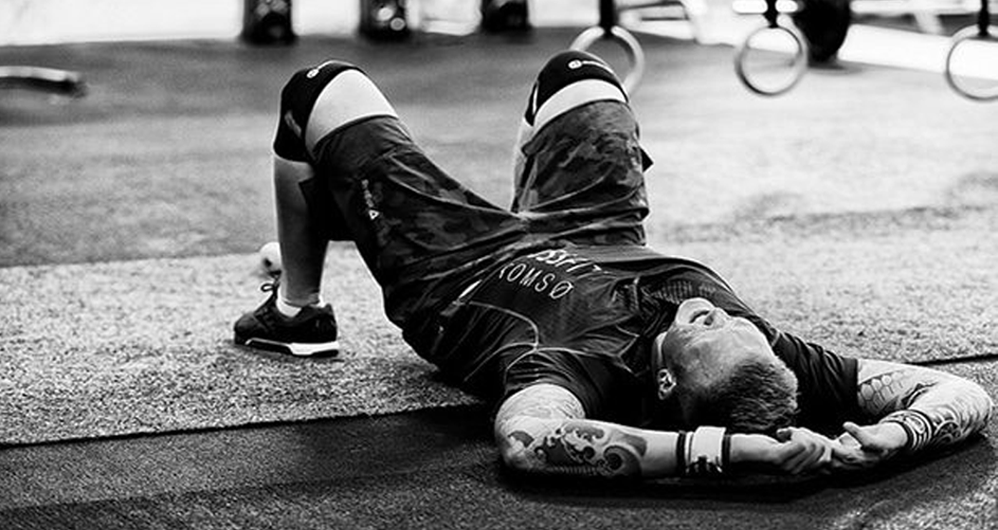
Simply put: If you exercise 1 to 16 hours a week, you have four times the chance of having a normal or high libido than those who train more than 20 to 40 hours a week, as some marathoners do. If we additionally factor in the intensity of the training, the results are even clearer. If your intensity is high, it is important to reduce the frequency and length of your training, at least in the long run. Short intense workouts your libido can handle, but if it drags on for weeks or months, you'll probably have to say goodbye to a greater appetite for sex.
The underlying message, as stated by lead researcher Anthony Hackney, is clear: If you're a man and you train too many hours a week, or you train at too high an intensity, your libido will drop. In practice, this means that prolonged marathon training, intense CrossFit or five days a week of traditional cardio workouts can destroy your libido, which can lead to a decline in your sex life.
How training affects testosterone levels
While Hackney's study didn't look in detail at the effect of training or overtraining on testosterone levels, researchers have long noted the link between overtraining and a drop in resting hormone levels, which also leads to lower libido. The phenomenon is well known, and although it has long been talked about, organizations like the International Olympic Committee (IOC) have again raised its profile and come up with a new term to describe it: relative energy deficit in sport.
This term basically means that excessive exercise can impair the reproductive health of both men and women who overexercise. Most often this is an acute syndrome, but for some athletes the problem can become a long-term hormonal burden that persists for months. This phenomenon also occurs in women, but their pathology tends to be more complex and more focused on hormonal balance.
But what if we look at a different perspective? Some studies claim the opposite: "Exercise increases testosterone!"

Well, I'd be careful with that claim. Exercise can indeed have an effect on testosterone levels, contributing to better sexual reactivity in both men and women. Of course, how big the increase will be depends on several factors: the number of sets, the number of reps, the order of the exercises, and most importantly, the choice of specific exercises. There is a claim that a set of squats with lunges, for example, can increase testosterone levels more than a bench press - by about 15% versus 7%. And in general, exercises targeting larger muscle groups induce a greater increase in testosterone.
The problem, however, is that this increase in testosterone tends to be short-lived, especially in men who lift heavy weights. After a workout, testosterone levels may even drop below their original level, which can take several days.
The reason for this phenomenon may be an antagonism between cortisol and testosterone. Cortisol, known as the stress hormone, increases during a hard workout, which can lower testosterone levels. This mechanism could explain the chronically low libido that Hackney's study showed in overtrained athletes.
But that's not all. There are several other theories that may explain why testosterone temporarily drops after a hard workout. After intense exercise, several reactions occur in the body:
-
Rapid conversion of testosterone to DHT (dihydrotestosterone): DHT is a metabolite of testosterone that can affect the levels of total testosterone measured in the blood. Fortunately, DHT is more anabolic than testosterone itself, which means that as a result, this process may not negatively impact your muscle gains.
-
Increasing androgen receptor sensitivity: after training, testosterone increases the sensitivity and reactivity of androgen receptors. This means that more testosterone binds to these receptors, which can again lead to lower testosterone levels in a blood test, even though there may still be plenty of hormones in the body. This process explains the transient drops in testosterone in strength athletes.
However, it's important to note that this is all different from the long-term overtraining Hackney mentions in his study. In chronically overtrained athletes who expose themselves to extreme stress, the hormonal imbalance is exacerbated and can lead to long-term problems, including a permanent decline in libido and other negative health consequences.
How to solve libido problems associated with exercise?
If your libido suffers as a result of excessive and overly intense exercise, the most effective solution is to reduce the intensity of your workouts. Dr. Hackney stresses that exercise can increase libido, but only up to a point. Once you exceed that point and train too often and intensely, your libido will begin to decline.This phenomenon can be likened to an inverted "U " - first a rise, but then a decline.
A general rule of thumb, at least according to experts in the field, is to limit high-intensity workouts like full-blown CrossFit to no more than three days a week. You might also consider taking a break for a week to "reset" the hypothalamus-pituitary axis to help restore hormonal balance. However, as with smoking, where quitting for a week is recommended, this can be challenging to maintain.
If you want to mitigate the effects of overtraining and reduced libido, there are other options. The most important factors are quality sleep and a balanced diet, which should be a given for any athlete. In addition, men might consider taking natural testosterone boosters, which, while not as potent as testosterone replacement therapy (TRT), can provide most men with a decent boost in testosterone levels and support their hormonal balance.
Recommended
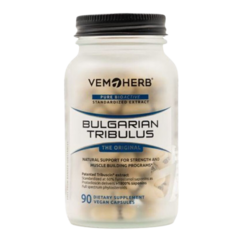
Vemoherb Bulgarian Tribulus
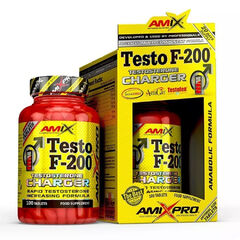
Amix Testo F-200

Czech Virus Testo Virus Part 2
Source:T-Nation, Author:TC_Luoma
No posts have been made yet.