





Ginkgo Biloba: Nature's secret gift for optimal health and vitality
 Author:
 Ginkgo biloba is a plant extract that has been used in China to treat various health ailments for thousands of years. Ginkgo biloba (Ginkgo biloba) is a tall, bushy tree characterised by its wedge-shaped leaves divided into two lobes. This tree is considered by some botanists to be a living fossil, as preserved fossils confirm its existence as early as 270 million years ago.
Ginkgo biloba has many interesting benefits for human health - from improving cognitive function, increasing energy, boosting memory, to alleviating symptoms associated with certain chronic diseases. Today, let's introduce this plant extract a little more closely and talk in more detail about the benefits it can have for us.
Article Content:
- Theoretical window - what is this ginkgo biloba?
- Thebenefits of ginkgo biloba
- In what form can ginkgo biloba be taken and what is the recommended daily dosage?
- What to take away from the article?
Theoretical window - what is ginkgo biloba?
Ginkgo biloba (professionally called Salisburia adiantifolia) is a natural extract obtained from the leaf of the ginkgo biloba, popularly known as the maidenhair. Ginkgo biloba extract is the most highly regarded ever for its effects in stimulating brain function and its ability to support memory. In fact, this substance is considered so effective that it can only be found by prescription in several European countries. Historically, the extract has been used as a natural remedy for ADHD, in the treatment of dementia and other diseases that are related to cognitive decline.
Although Chinese herbal medicine uses both the dried leaf and seeds of this plant, modern clinical studies have focused mainly on investigating the effectiveness of a standardized extract of ginkgo biloba, which is made from the green leaves of the plant. According to both traditional Chinese medicine and current clinical studies, the body benefits from the use of ginkgo biloba in many different ways, as it has protective effects, prevents mitochondrial damage and helps fight oxidative stress.
It can help reduce inflammation and reduce free radical damage, two of the most common causes of many serious health complications. The extract contains two main components, flavonoids and terpenoids, which have powerful antioxidant properties. It is believed that these substances may help slow the progression of aging-related diseases by preventing tissue, cell and DNA damage.
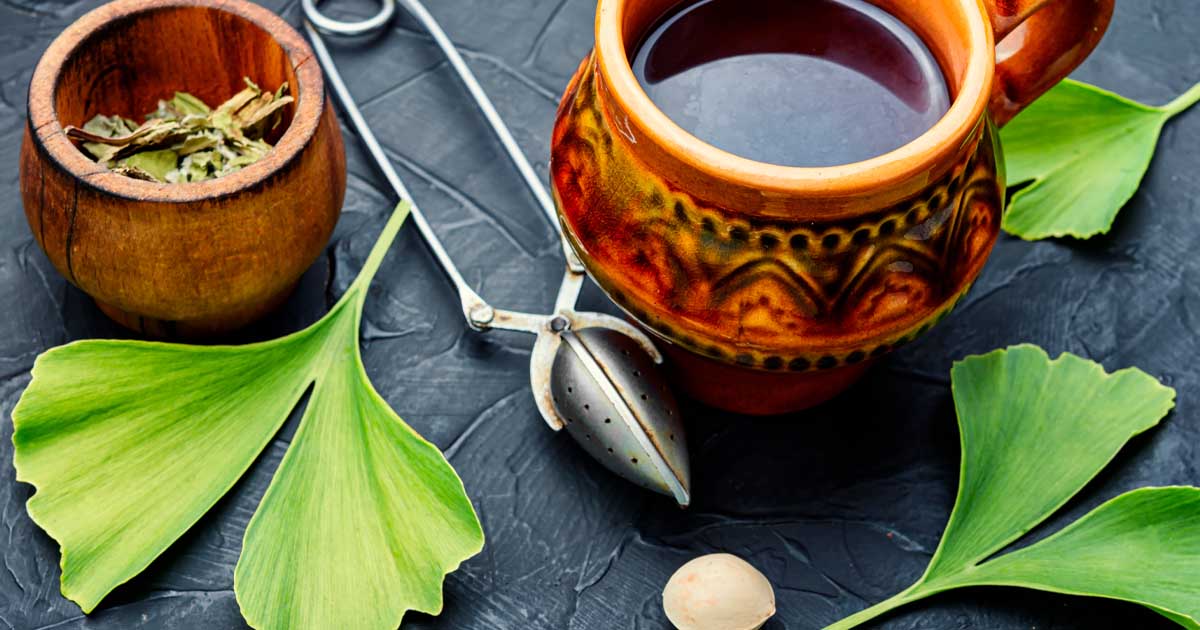
Health benefits of ginkgo biloba use
As mentioned, ginkgo biloba is valued for its positive benefits in the areas of cognitive and memory support. However, there are many more benefits that this plant can offer to our health. Let's take a look at the most important ones.
It can protect and improve cognitive health
Research shows that ginkgo biloba can help protect against cognitive impairment and stimulate brain function. It is then particularly beneficial for people suffering from Alzheimer's disease, dementia or other problems related to brain performance. Ginkgo biloba is also useful in the treatment of cerebral insufficiency, a condition characterised by chronic difficulty concentrating, confusion, reduced physical performance, chronic fatigue, headaches and frequent mood swings.
According to research, the positive benefits of ginkgo biloba for the brain can be attributed to the fact that ginkgo biloba contains substances with strong anti-inflammatory effects that increase antioxidant activity, help reduce oxidative stress and improve blood circulation.
Ginkgo biloba also has the potential to improve the transmission of nerve signals responsible for mood, heart rate regulation and eye health. As mentioned, ginkgo biloba is also used as a supportive substance for better memory and increased concentration, even in healthy people. Ginkgo biloba has been shown to increase mental performance and may also have positive effects for mental health.

Promotes heart health
Several studies that have examined the effects of ginkgo biloba in people at high risk of heart disease have concluded that patients taking ginkgo biloba have a reduction in the build-up of atherosclerotic plaque that leads to atherosclerosis, as well as a reduction in LDL ("bad") cholesterol. The main benefit of taking this plant compound for heart health appears to be its superior antioxidant capacity - taking a supplement containing ginkgo biloba extract has been shown to stimulate the activity of the body's most powerful antioxidants, particularly superoxide dismutase and glutathione. Another benefit is that it increases levels of circulating nitric oxide, a compound that is key to optimal circulatory function and is responsible for blood vessel dilation.
Increases the effectiveness of treatment for schizophrenia
Although the effect is not considered to be particularly significant, ginkgo biloba appears to be quite effective in reducing the negative symptoms of schizophrenia when taken as an adjunct to prescribed antipsychotics. It may also help to improve responses to these drugs in patients considered 'treatment resistant'.
Significant benefits for healthy skin
In addition to the benefits mentioned above, ginkgo biloba, when taken regularly, also helps improve skin quality on several different levels. For example, supplementation with ginkgo biloba significantly helps to alleviate the symptoms of vitiligo, a pigmentation disorder that causes white patches on the skin. Participants in research studies have reported a noticeable repigmentation of the skin at a dose of 120 milligrams per day, reducing the size of their lesions and reducing their sites of occurrence.
In turn, ginkgo biloba flavonoids applied in the form of a skin cream can make a very noticeable difference in reducing wrinkles, helping to keep the skin hydrated, and can soften the skin. The results of studies suggest that using a skin cream containing ginkgo biloba may help to naturally slow down skin aging.
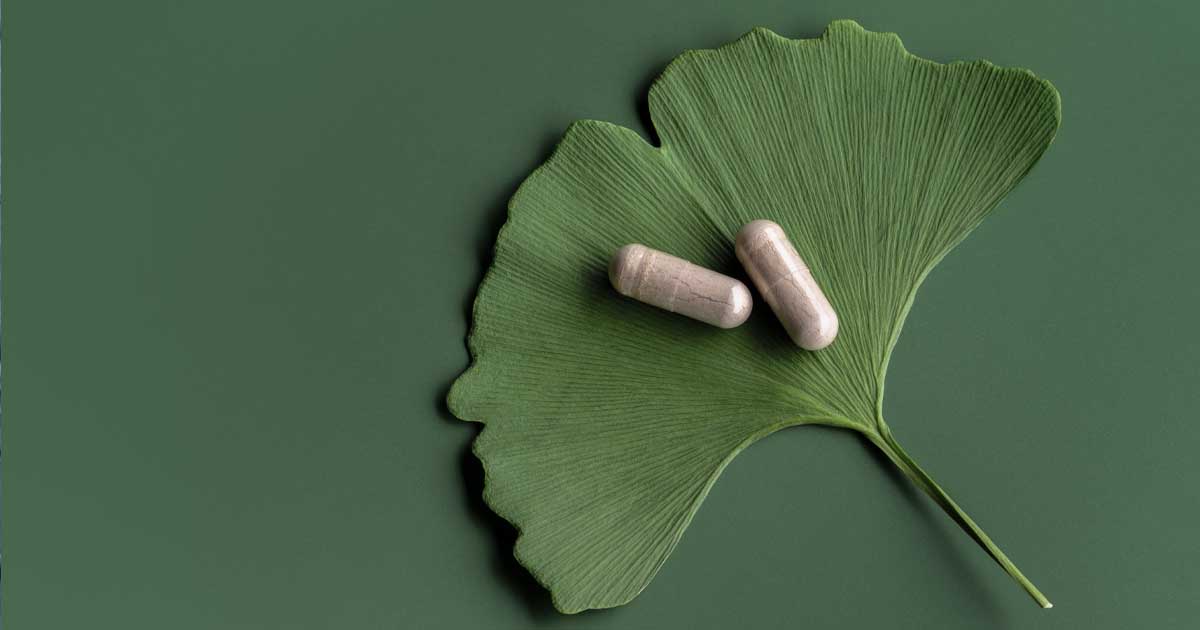
Helps treat migraines
For younger individuals who suffer from migraine headaches, with or without aura, ginkgo biloba may help regulate the occurrence of migraines, not only in terms of reducing their frequency but also their severity. A study observing these effects concluded that in order to experience significant changes, ginkgo biloba needs to be taken for at least three months, with the positive effects in this regard increasing proportionally with the duration of use. Other studies have also confirmed that the use of ginkgo biloba can help to reduce the incidence of migraines or even help to eliminate them altogether.
Helps fight fibromyalgia
Several studies have found that joint supplementation of coenzyme Q10 and ginkgo biloba can improve the quality of life of people diagnosed with fibromyalgia, a nervous system disorder that can cause fatigue, headaches, sleep difficulties, anxiety and depression.
May improve sleep quality
In addition to the benefits mentioned above, it appears that ginkgo biloba may help improve sleep quality. This benefit is attributed to the antioxidant activity of the substances contained in the extract, which have the ability to relieve stress and may promote relaxation. For people who are healthy but unable to sleep, a dose of around 240 milligrams of ginkgo biloba per day can increase subjective sleep quality, according to studies.
Other potential benefits:
- May be useful in the treatment of ADHD
- Helps relieve PMS symptoms
- Increases libido
- Benefits eye health
- Helps with anxiety
- Can stimulate mood
In what form can ginkgo biloba be taken and what is the recommended daily dosage?
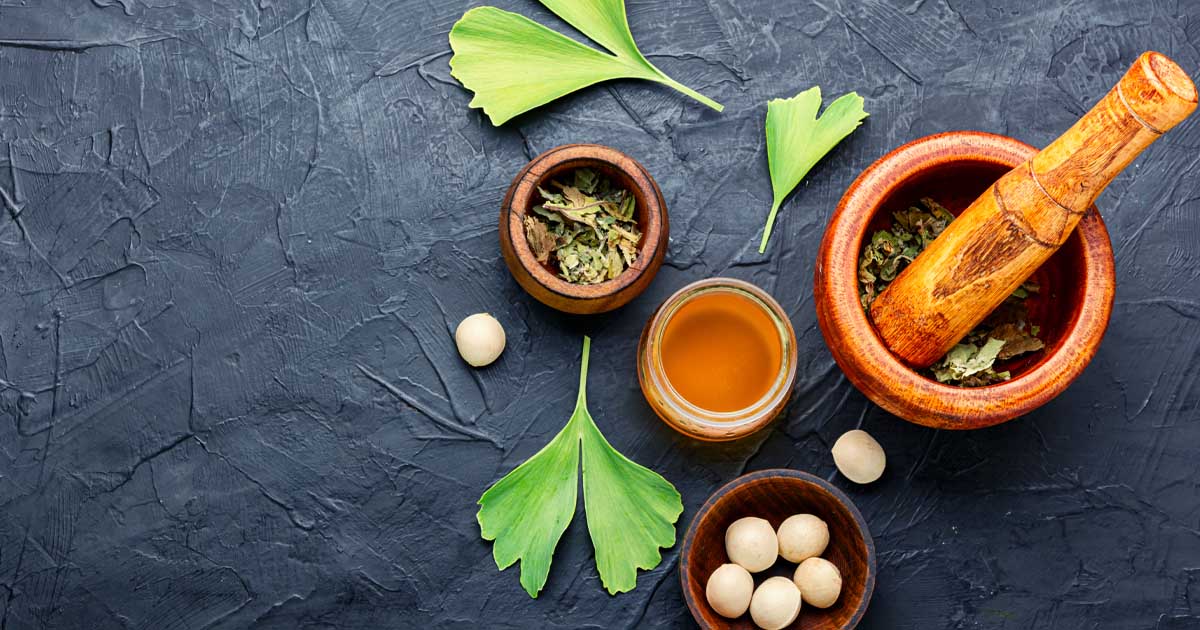
You can get Ginkgo biloba in the form of capsules, tablets, liquid extract or dried leaves. You can find supplements with this extract in most health food stores, pharmacies and on the websites of sports nutrition stores. It is generally reported that it can take four to six weeks before you can observe any effects from ginkgo biloba, depending on the condition you are trying to treat.
The effectiveness of ginkgo biloba also depends on the amount and concentration, but it is definitely a good idea to stay within the recommended daily dosages listed on specific supplements. Recommended daily doses are usually between 120 and 240 milligrams per day, but in certain cases supplementation of up to around 360 milligrams per day may be recommended.
Safety of ginkgo biloba - risks and side effects
Ginkgo biloba is considered a safe supplement. Reported side effects are rather rare and include: nausea, diarrhea, dizziness, headaches and allergic reactions. Do not take supplements containing this extract if you are allergic to alkylphenols. Ginkgo biloba should not be taken by children as it has not been proven safe for this age group. According to research, it is also safe to take ginkgo biloba on a long-term basis.
It is also possible that this extract may interact with certain medications, and may have a negative effect when recovering from surgery or serious injuries. A supplement containing ginkgo biloba extract is not a suitable supplement if you are taking blood thinners and antidepressants. If you are taking any medications long-term, it is best to consult with your doctor first when taking ginkgo biloba extract because of potential interactions.
What to take away from the article?
Ginkgo biloba is a plant extract that has been used for a good number of years to support memory, improve concentration and overall cognitive stimulation. But in addition, it has a positive effect on cardiovascular health, can improve sleep quality, promotes skin health, and can be effective in treating migraines.
You can get Ginkgo biloba in the form of capsules, tablets, liquid extract or dried leaves.It is generally considered a safe supplement, but if you are taking any medication on a long-term basis, it would be better if you consult your doctor about its supplementation first.
Recommended
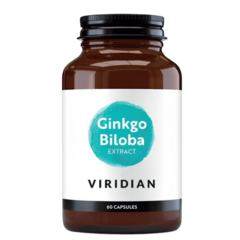
Viridian Ginkgo Biloba
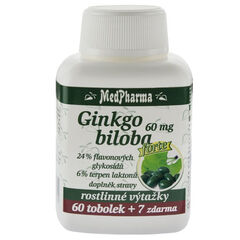
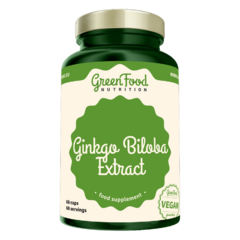
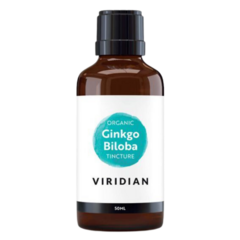
Sources:
- Lee, H., & Birks, J. S. (2018). Ginkgo biloba for cognitive improvement in healthy individuals. The Cochrane Database of Systematic Reviews, 2018(8), CD004671. https://doi.org/10.1002/14651858.CD004671.pub2
- Drew, S., & Davies, E. (2001). Effectiveness of Ginkgo biloba in treating tinnitus: a double blind, placebo controlled trial. BMJ (Clinical research ed.), 322(7278), 73. https://doi.org/10.1136/bmj.322.7278.73
- Zuo, W., Yan, F., Zhang, B., Li, J., & Mei, D. (2017). Advances in the Studies of Ginkgo Biloba Leaves Extract on Aging-Related Diseases. Aging and disease, 8(6), 812-826. https://doi.org/10.14336/AD.2017.0615
- Zhang, S. J., & Xue, Z. Y. (2012). Effect of Western medicine therapy assisted by Ginkgo biloba tablets on vascular cognitive impairment of none dementia. Asia Pacific journal of tropical medicine, 5(8), 661-664. https://doi.org/10.1016/S1995-7645(12)60135-7
- Szczurko, O., Shear, N., Taddio, A., & Boon, H. (2011). Ginkgo biloba for the treatment of vitiligo vulgaris: an open label pilot clinical trial. BMC complementary and alternative medicine, 11, 21. https://doi.org/10.1186/1472-6882-11-21
- Canevelli, M., Adali, N., Kelaiditi, E., Cantet, C., Ousset, P. J., Cesari, M., & ICTUS/DSA Group (2014). Effects of Gingko biloba supplementation in Alzheimer's disease patients receiving cholinesterase inhibitors: data from the ICTUS study. Phytomedicine : international journal of phytotherapy and phytopharmacology, 21(6), 888-892.
- Murray, B. J., Cowen, P. J., & Sharpley, A. L. (2001). The effect of Li 1370, an extract of Ginkgo biloba, on REM sleep in humans. Pharmacopsychiatry, 34(4), 155-157. https://doi.org/10.1055/s-2001-15876
- Cieza, A., Maier, P., & Pöppel, E. (2003). Effects of Ginkgo biloba on mental functioning in healthy volunteers. Archives of medical research, 34(5), 373-381. https://doi.org/10.1016/j.arcmed.2003.05.001
- Usai, S., Grazzi, L., & Bussone, G. (2011). Gingkolide B as migraine preventive treatment in young age: results at 1-year follow-up. Neurological sciences : official journal of the Italian Neurological Society and of the Italian Society of Clinical Neurophysiology, 32 Suppl 1(Suppl 1), S197-S199. https://doi.org/10.1007/s10072-011-0522-7
- Szczurko, O., Shear, N., Taddio, A., & Boon, H. (2011). Ginkgo biloba for the treatment of vitiligo vulgaris: an open label pilot clinical trial. BMC complementary and alternative medicine, 11, 21. https://doi.org/10.1186/1472-6882-11-21
- Wu, Y. Z., Li, S. Q., Zu, X. G., Du, J., & Wang, F. F. (2008). Ginkgo biloba extract improves coronary artery circulation in patients with coronary artery disease: contribution of plasma nitric oxide and endothelin-1. Phytotherapy research : PTR, 22(6), 734-739. https://doi.org/10.1002/ptr.2335
- Zhang, X. Y., Zhou, D. F., Zhang, P. Y., Wu, G. Y., Su, J. M., & Cao, L. Y. (2001). A double-blind, placebo-controlled trial of extract of Ginkgo biloba added to haloperidol in treatment-resistant patients with schizophrenia. The Journal of clinical psychiatry, 62(11), 878-883. https://doi.org/10.4088/jcp.v62n1107
- D'Andrea, G., Bussone, G., Allais, G., Aguggia, M., D'Onofrio, F., Maggio, M., Moschiano, F., Saracco, M. G., Terzi, M. G., Petretta, V., & Benedetto, C. (2009). Efficacy of Ginkgolide B in the prophylaxis of migraine with aura. Neurological sciences : official journal of the Italian Neurological Society and of the Italian Society of Clinical Neurophysiology, 30 Suppl 1, S121-S124. https://doi.org/10.1007/s10072-009-0074-2.
No posts have been made yet.








