





Ginger - a natural miracle that does more than just fight the flu!
 Author:
 Ginger root, with its spicy to peppery flavour and extensive list of health benefits, is one of the most widely used spices in the world. It has incredibly versatile uses, lending itself to sweet and savoury recipes from a variety of nations, and the best part? It benefits human health on several different levels. Today, let's take a closer look at ginger and talk about the benefits that regular consumption can bring to our bodies.
Article content:
- Theoretical window - what is ginger?
- The biggest benefits of regular ginger consumption
- How to use ginger?
- How to dose it and what side effects can it cause?
- What can I take away from this article?
Theoretical window - what is ginger?
While we don't doubt that some people are unfamiliar with ginger, let's start with a traditional theoretical window. Ginger is a flowering plant that is closely related to turmeric and cardamom. Ginger root is very well known and appreciated worldwide as a natural remedy for a wide range of diseases and health ailments of various nature. The health benefits of ginger are largely due to the fact that ginger is very rich in antioxidants with anti-inflammatory properties and containing therapeutic compounds such as gingerol, shogaol, paradol and zingerone.
According to research, more than 100 different compounds have reportedly been isolated from ginger, giving it not only antioxidant capabilities but also anti-cancer, neuroprotective and cardiovascular protective properties. As a result, the effects of ginger can be used to treat and prevent a truly wide range of health complications.
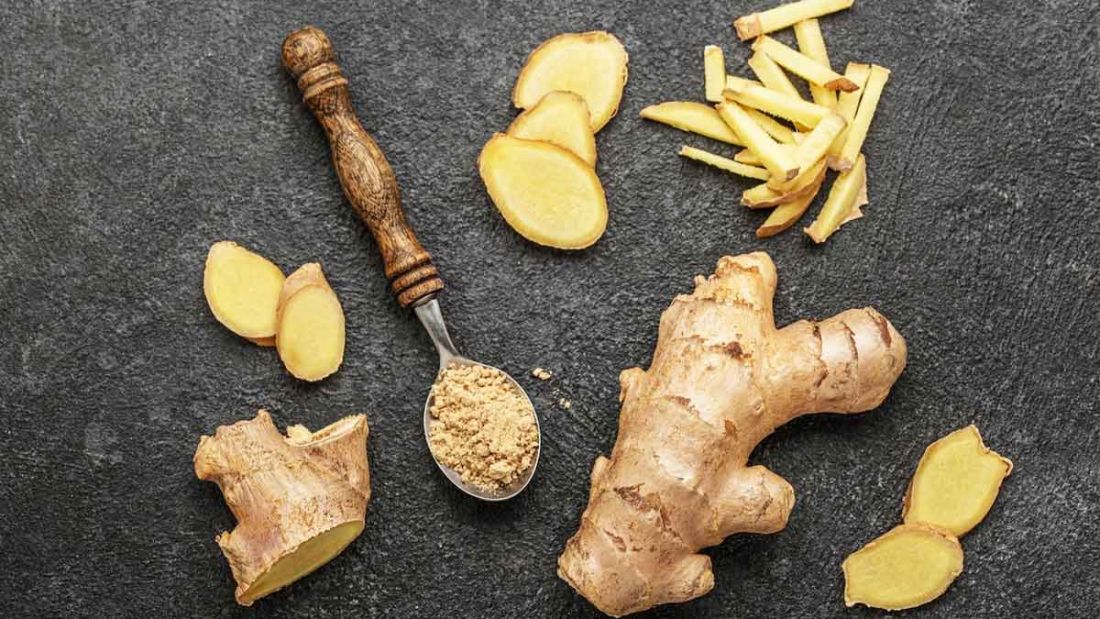
Ginger can be found in a variety of different forms. We can use it fresh, ground as a spice or even in tablet form. But ginger essential oil is also available. Ginger can be used as a spice, to aid digestion, in tea or for aromatherapy. Of course, this is far from the end of the list of ways to use and benefit from ginger. Let's now look together at a list of the most important benefits that its regular consumption brings.
The biggest benefits of regular ginger use
What are the health benefits of ginger? As already mentioned, ginger contains a diverse range of many important compounds, vitamins and minerals. One of the most important compounds, for example, is gingerol, which according to multiple studies has strong antioxidant and anti-inflammatory properties. Enough theory, let's finally look at the concrete ways in which ginger can benefit us.
Helps treat nausea and indigestion
One of the most powerful benefits of ginger is its ability to promote digestive health and prevent problems such as dyspepsia, a common condition of indigestion characterized by symptoms such as pain, heartburn, feelings of heaviness and overall digestive discomfort. Ginger has historically been used as a natural remedy for various types of nausea, and it is for this healing ability that it is most valued. And ginger tea is a really great choice for abdominal pain or nausea and can provide quick and significant relief.
Ginger is not only useful in the treatment of various digestive disorders, but also in the case of pregnant women, ginger can be a very effective natural aid and can bring relief from nausea. One review looked at the results of several different studies conducted on a total of around thirteen hundred pregnant women and found that ginger was very effective in reducing the symptoms of morning sickness of pregnancy and most importantly - with minimal risk of side effects. In addition, another study from the University of Rochester Medical Center showed that ginger helped reduce the severity of nausea in patients undergoing chemotherapy.
Relieves symptoms of PMS and nausea associated with the menstrual cycle
Symptoms such as pain, menstrual cramps (dysmenorrhea) and headaches are unfortunately a common part of the menstrual cycle for many women. Some women resort to over-the-counter medications to get relief from the pain, but it turns out that natural remedies, such as ginger, can be just as helpful, if not more helpful, than over-the-counter medications in relieving menstrual pain. A study published in the Journal of Alternative and Complementary Medicines showed that ginger reduces menstrual pain as effectively as drugs like ibuprofen and mefenamic acid. Other research has come to similar conclusions, and there is also speculation that ginger can reduce the intensity and duration of pain.

Protects against stomach ulcers
And let's stay with the stomach and digestion. In fact, several studies have confirmed that ginger can help prevent stomach ulcers, an inflammatory disease that forms in the lining of the stomach and causes complications such as indigestion, fatigue, heartburn and other digestive problems. A 2011 animal study showed that ginger powder protects against aspirin-induced ulcers by reducing levels of inflammatory proteins and blocking the activity of enzymes associated with ulcer development. Thus, ginger functions not only as a natural remedy, but also as an effective prevention of a number of diseases, stomach ulcers being one of them.
Promotes proper brain function
Apart from everything mentioned, ginger is also a great food for brain health and proper brain function. Neurodegenerative conditions such as Alzheimer's and Parkinson's disease have been linked to oxidative stress and chronic inflammation in the brain. Ginger, with its rich spectrum of antioxidants and powerful anti-inflammatory properties, is thought to play an important role in human brain health. There is evidence that ginger extract can help protect against brain aging and cognitive decline, but it can also support healthy brain performance in the younger generation.
May inhibit cancer growth
One of the most impressive effects of ginger is its anti-cancer properties due to the presence of a powerful compound called 6-gingerol. A 2018 study found that ginger derivatives in the form of extract or isolated compounds exhibit relevant antiproliferative, anti-cancer, invasive and anti-inflammatory activities. In addition, laboratory studies show that components of this spice may be effective in blocking the growth and development of cancer cells in ovarian, pancreatic and prostate cancers. However, more research is needed to find out in what ways it can actually inhibit the development of cancer cells and how well this works in humans.
Fights fungal infections
Fungal infections cause a wide range of negative health complications - from yeast infections to itching and athlete's foot. Fortunately, ginger helps to literally kill disease-causing fungi thanks to its powerful antifungal properties. Studies confirm that ginger extract is effective against two types of yeast that commonly cause fungal infections in the mouth. In one rather extensive research, scientists looked at the antifungal effects of 29 plant species and concluded that ginger is among the most effective in killing various types of fungi that cause more or less serious health complications.
It helps fight bacterial infections
In addition to its antifungal properties, ginger also boasts strong antibacterial properties. This gives it the ability to fight bacterial infections such as urinary tract infections, pneumonia and bronchitis. The compounds found in this root can help inhibit the growth of different types of bacteria that cause diseases of various nature. That is why our grandmothers recommended ginger tea for treating colds, flu, nausea, but it can also help with toothaches or joint pain.

Relieves inflammation
Although inflammation can be a normal, healthy immune response to injury and infection, chronic inflammation is considered a major contributor to the development of health problems such as heart disease, obesity, diabetes and cancer. Ginger extract is an anti-inflammatory food and can help inhibit the synthesis of certain markers of inflammation. According to a 2020 meta-analysis of randomised controlled trials, there is evidence to show a significant effect of ginger on reducing circulating inflammatory mediators, including levels of C-reactive protein (CRP), hs-CRP and TNF-α.
May help regulate blood sugar levels
Research also shows that ginger helps regulate blood sugar levels. This means it can help reduce negative symptoms associated with high blood glucose levels, such as frequent urination, headaches (including migraines) and increased thirst. In addition, it can reportedly improve lipid profiles and help control glucose, insulin sensitivity and glycosylated hemoglobin, thereby contributing to the prevention and protection against the development of diabetes 2.
Helps to lower cholesterol levels
From bile production to hormone production, cholesterol is essential for overall health. However, high cholesterol levels can build up in the blood, causing blockages and increasing the risk of heart disease, the world's leading cause of death. One of the greatest benefits of ginger is its ability to naturally lower cholesterol and triglyceride levels, which helps to significantly reduce the risk of developing heart problems. An animal study also showed that ginger was almost as effective at lowering cholesterol (improving cholesterol markers) as atorvastatin, a drug commonly prescribed for high cholesterol.
How to use ginger?
Ginger can be encountered in many different forms and can easily be incorporated into your daily routine. When buying fresh ginger, look for roots that have a thin, shiny skin that can be easily scraped off with your fingernail. The root should have a sharp, peppery and pungent aroma. On the other hand, you can tell ginger that has seen its best days by its soft spots and moist texture. Sliced ginger, on the other hand, will start to darken around the edges if you don't process it in time.
Ginger root can be eaten fresh, minced, juiced or infused into your favorite beverages. Additionally, ginger is available in tablet or capsule form to give you a quick and concentrated dose of antioxidants. You can even make homemade cough syrup from this spice, add a few tablespoons to a relaxing hot bath or mix it into a soothing foot soak. Essential oils are also available to help treat breathing difficulties or to help relieve stress.
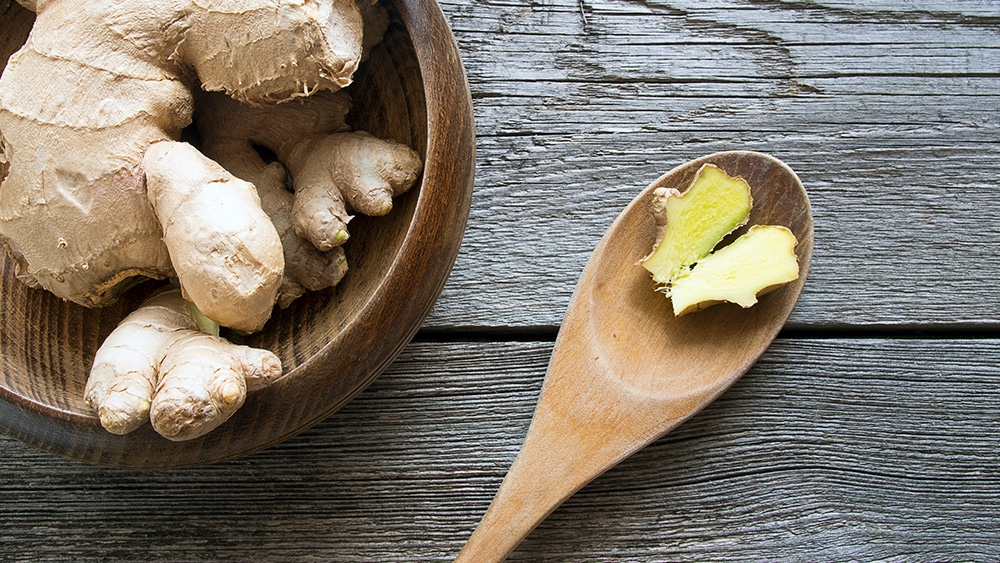
Ginger is a great helper in the kitchen and can add an absolutely divine flavour to dishes. Try slicing the root thinly and adding some to smoothies or vegetable juices. It can also be grated and added to soups, salads, or even sweets for a boost of flavor and nutrient content. It is a tasty addition to sauces, stews, marinades and curries. Ground ginger can also be used in cooking and in baked goods, desserts and sweets such as gingerbread, pumpkin or apple muffins. In addition, you can use it to make a great lemonade or your favourite tea to warm you up.
Recommended
Fitkoření Zázvorový tymián
How to dose it and what side effects can its consumption have?
As far as dosage is concerned, it will be, as is usual in nutrition, very individual. Studies suggest that an amount of about 1500 milligrams per day, taken in several smaller doses, is beneficial for the relief of nausea and other common digestive problems, as well as for the treatment of flu-like illnesses. When consumed sensibly, ginger is safe and is unlikely to cause any adverse side effects in most people. However, it can cause reactions such as nausea, bad taste in the mouth, heartburn and diarrhoea in some people, especially when consumed in large quantities. Allergies are also rare. It is generally safe to consume ginger even during pregnancy (and is often recommended for morning sickness), but ask your doctor for advice before introducing it into your routine.
What to take away from the article?
Ginger is a little natural treasure that can handle a variety of health complications. It is beneficial in treating and relieving digestive discomforts of various kinds, can be a handy helper against morning sickness in pregnancy, but it can also fight germs, speed up the treatment of viral diseases, help regulate cholesterol levels, and can even promote brain health and proper brain function. Plus, it's incredibly versatile - it can be incorporated into almost any dish, makes a great smoothie or lemonade, and of course, the immortal classic - ginger tea.
Sources:
Ginger. (2022). In Drugs and Lactation Database (LactMed). National Library of Medicine (US).
Viljoen, E., Visser, J., Koen, N., & Musekiwa, A. (2014). A systematic review and meta-analysis of the effect and safety of ginger in the treatment of pregnancy-associated nausea and vomiting. Nutrition journal, 13, 20. https://doi.org/10.1186/1475-2891-13-20
Aghazadeh, M., Zahedi Bialvaei, A., Aghazadeh, M., Kabiri, F., Saliani, N., Yousefi, M., Eslami, H., & Samadi Kafil, H. (2016). Survey of the Antibiofilm and Antimicrobial Effects of Zingiber officinale (in Vitro Study). Jundishapur journal of microbiology, 9(2), e30167. https://doi.org/10.5812/jjm.30167
Wang, Z., Hasegawa, J., Wang, X., Matsuda, A., Tokuda, T., Miura, N., & Watanabe, T. (2011). Protective Effects of Ginger against Aspirin-Induced Gastric Ulcers in Rats. Yonago acta medica, 54(1), 11-19.
Ozgoli, G., Goli, M., & Moattar, F. (2009). Comparison of effects of ginger, mefenamic acid, and ibuprofen on pain in women with primary dysmenorrhea. Journal of alternative and complementary medicine (New York, N.Y.), 15(2), 129-132. https://doi.org/10.1089/acm.2008.0311
Karna, P., Chagani, S., Gundala, S. R., Rida, P. C., Asif, G., Sharma, V., Gupta, M. V., & Aneja, R. (2012). Benefits of whole ginger extract in prostate cancer. The British journal of nutrition, 107(4), 473-484. https://doi.org/10.1017/S0007114511003308
Zhu, J., Chen, H., Song, Z., Wang, X., & Sun, Z. (2018). Effects of Ginger (Zingiber officinale Roscoe) on Type 2 Diabetes Mellitus and Components of the Metabolic Syndrome: A Systematic Review and Meta-Analysis of Randomized Controlled Trials. Evidence-based complementary and alternative
Alizadeh-Navaei, R., Roozbeh, F., Saravi, M., Pouramir, M., Jalali, F., & Moghadamnia, A. A. (2008). Investigation of the effect of ginger on lipid levels. A double blind controlled clinical trial. Saudi medical journal, 29(9), 1280-1284.
Zeng, G. F., Zhang, Z. Y., Lu, L., Xiao, D. Q., Zong, S. H., & He, J. M. (2013). Protective effects of ginger root extract on Alzheimer disease-induced behavioral dysfunction in rats. Rejuvenation research, 16(2), 124-133. https://doi.org/10.1089/rej.2012.1389
Karuppiah, P., & Rajaram, S. (2012). Antibacterial effect of Allium sativum cloves and Zingiber officinale rhizomes against multiple-drug resistant clinical pathogens. Asia Pacific journal of tropical biomedicine, 2(8), 597-601. https://doi.org/10.1016/S2221-1691(12)60104-X
Park, M., Bae, J., & Lee, D. S. (2008). Antibacterial activity of [10]-gingerol and [12]-gingerol isolated from ginger rhizome against periodontal bacteria. Phytotherapy research : PTR, 22(11), 1446-1449. https://doi.org/10.1002/ptr.2473
Morvaridzadeh, M., Fazelian, S., Agah, S., Khazdouz, M., Rahimlou, M., Agh, F., Potter, E., Heshmati, S., & Heshmati, J. (2020). Effect of ginger (Zingiber officinale) on inflammatory markers: A systematic review and meta-analysis of randomized controlled trials. Cytokine, 135, 155224.
Hu, M. L., Rayner, C. K., Wu, K. L., Chuah, S. K., Tai, W. C., Chou, Y. P., Chiu, Y. C., Chiu, K. W., & Hu, T. H. (2011). Effect of ginger on gastric motility and symptoms of functional dyspepsia. World journal of gastroenterology, 17(1), 105-110. https://doi.org/10.3748/wjg.v17.i1.105
No posts have been made yet.








