Exercises according to the phases of the menstrual cycle
 Author:
 Today, let's break down the topic into exercises according to the menstrual cycle. At the outset, it is important to mention that what works for one woman may work a little differently for another, and so on. Each of us is different and this article is such a general statement and each of us will take away a slightly different perspective. But the bottom line is that we might still think about our menstrual cycle and how it affects our exercise.
I'm sure all of us love the feeling that comes after a good workout - the endorphins, the satisfaction and the joy of taking care of our bodies. But you may have also noticed that our performance changes throughout the month. One week we can handle intense workouts with ease, while a few days later we find the same exercises more challenging. These fluctuations are often related to the phases of the menstrual cycle, which have a big impact on our energy, strength, recovery, and psyche.
That's why more and more women are discovering cycle-tailored exercise in general - an approach that respects natural hormonal changes and works with them instead of against them. Training according to the phases of the cycle allows us to make the most of the energy-filled daysand, conversely, focus on recovery during the quieter periods of the cycle. This approach gives us freedom and teaches us to listen to our own bodies.
What are the benefits of cycle training?
Exercising according to the phases of the cycle is more than just a fashion trend - it's an effective and intuitive way to exercise in harmony with your body. Respecting our natural hormonal changes helps us maximize performance, reduce the risk of injury, and enjoy movement more at the same time. We become more aware of our body and its signals, which brings us greater satisfaction with our results.
How to get started?
- Track your cycle - The first step is knowing your own cycle. Menstrual tracking apps can help, showing you which phase you are currently in.
- Listen to your body - Every cycle can be a little different, so it's a good idea to monitor how you feel and how you respond to different types of exercise.
- Experiment - Try different training plans and see which activities suit you at each stage. This way you will learn to adapt the exercises to suit you.
So let's take a look together at the different phases of the cycle, what happens in the body during them and what workouts are generally best suited for each phase!

Menstrual phase (1st-5th day of the cycle) - time for rest and recovery
During menstruation, levels of hormones such as estrogen and progesterone drop significantly. During these days we may experience fatigue, lower energy levels and often greater sensitivity to pain. Many of us may feel tired and listless, which is only natural. Let's listen to our bodies and not be afraid to rest. Light movement is ideal to bring us relief. Gentle yoga, a walk or a light stretching exercise will help release tension and improve your mood.
Tip: If you have menstrual pain, try breathing exercises or light movement - gently getting the blood flowing can help ease cramps.
Follicular phase (days 6-14 of the cycle) - a time for intense exercise and strengthening
After menstruation, estrogen levels begin to rise again, giving us more energy and a desire for action. In this phase, the body feels stronger, recovers better, and we are ready to try more challenging workouts. This phase is great for strength training, dynamic cardio or other activities that require endurance. This phase is the right time to increase the load or try new exercises. Did you know that in this phase the body is better able to build muscle due to the ideal hormonal balance? That's why it pays to focus on strength training.
Tip: Incorporate exercises to improve strength and endurance, for example with your own weight or with dumbbells. Many of us find that we can handle more reps or heavier loads than usual.

Ovulation phase (15-17th day of the cycle) - time for best performance
Around ovulation, we are often at peak energy. Estrogen is at its peak and adds to our strength and mood. It's great to tap into our potential during this phase and focus on more challenging workouts if we feel like it. For example, you can try intense cardio (such as HIIT), sprints, heavier weights in strength training or longer runs. Many of us are breaking personal records at this stage. Thanks to higher estrogen levels, mental skills such as concentration and coordination also improve - which is great for technically demanding exercises!
Tip: If you want to reach a certain benchmark or try for a new personal best, schedule it for ovulation days when the body is capable of performing at its best.
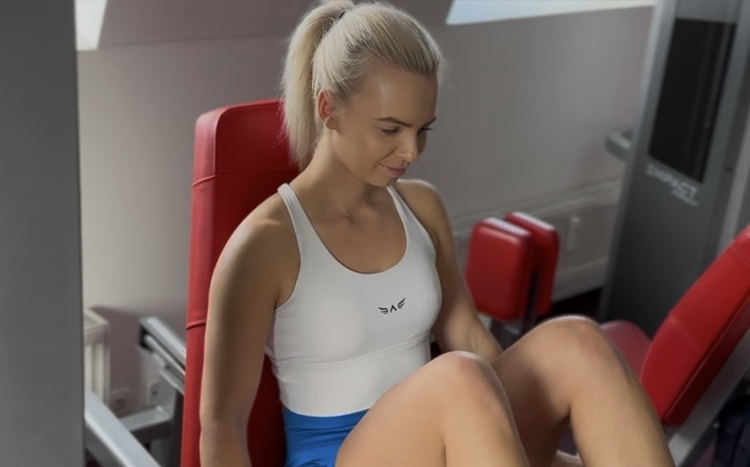
Luteal phase (days 18-28 of the cycle) - time to slow down and focus on more gentle exercises
After ovulation, estrogen begins to drop and progesterone rises. Many of us experience PMS symptoms such as fatigue, mood changes or water retention during this phase. This can affect our motivation and energy, so it's ideal to choose calmer types of exercise.
During the first part of the luteal phase, you can still manage moderate intensity workouts - lighter strength training, moderate intensity cardio or pilates. However, once menstruation approaches, it is recommended to switch to gentler exercises like yoga or walking.
Progesterone at this stage affects joints and muscles, which may be more sensitive to injury. Therefore, it is a good idea to listen to the body's signals and slow down if necessary.
Tip: If you are approaching your period and feel tired, use this time to recover. Treat yourself to relaxation, perhaps gentle stretching or exercises to promote flexibility.
So we've learned that exercising according to your menstrual cycle shows us how to exercise smarter, not harder. When we start to respect our bodies, we can get better results, prevent exhaustion, and most importantly, enjoy our workouts more!
Recommended
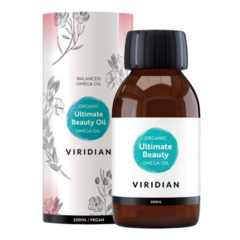
Viridian Organic Beauty Oil
Viridian Woman 40+ Multi
GymSupps Collagen Beauty
GymSupps Beauty Booster
No posts have been made yet.