Exercise during menstruation: how to maintain an active lifestyle even on these days
 Author:
 How do I maintain an active lifestyle when I have my days?
Greetings to all women. Today we are going to discuss a topic that connects us all, and that is exercise during menstruation and how to maintain an active lifestyle during those days. Together we'll look at ways to stay fit and active, even if it sometimes gives us a bit of trouble during this period, what might help and what we'd rather avoid.
Menstruation is not just a biological process, but also a key moment in every woman's life. Our body undergoes changes, and we want to focus on how we can use this phase to support our health and overall well-being.
I often hear that women stop exercising during menstruation because of severe cramps or they simply don't feel well, would rather lie at home or are also afraid that they might harm themselves by exercising. Here you will learn how to combine exercise with these days to feel better and since as they say, it goes better together, I would like to hear your tips and opinions on how you do these days and write them in the comments below this article.
I want to create a space here where all women can be inspired, share their stories and find support in their journey to an active lifestyle during menstruation. Most importantly, I also want to provide you with information that goes beyond traditional advice about menstruation, and show that we can be strong even as our cycle goes through its phases. We'll not only explore different types of exercise appropriate for menstrual periods, but we'll also touch on topics like mental well-being, eating, self-care, and more.
Exercise and diet during your days
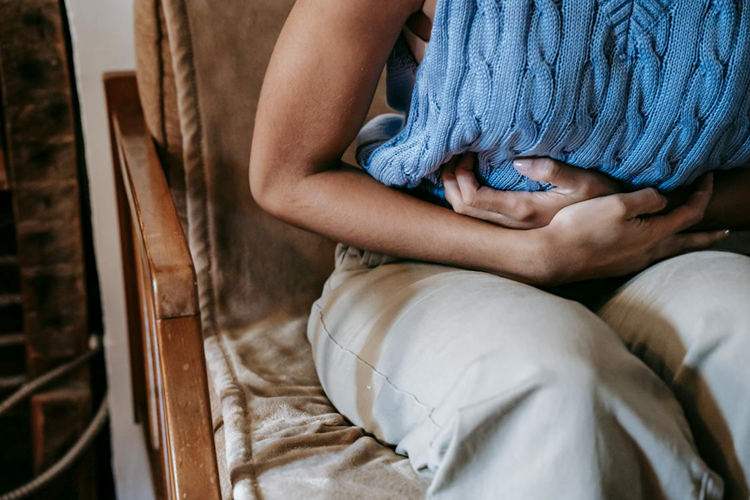
Here we go. Pain, discomfort, mood swings, cravings for sweets, not wanting to go exercise and many other factors that occur regularly every month. All these listed and other factors limit us and prevent us from exercising regularly or but also from eating regularly.
Physical activity helps is very beneficial for our body, even though it may not seem like it at first, it can really help us in terms of pain but it will also help with our mental state, we will be in a better mood, feel more relaxed and overall feel fit and more motivated than staying at home lying around and worrying.
There are many studies on this subject where it was found that women who exercised even on these days suffered less pain.
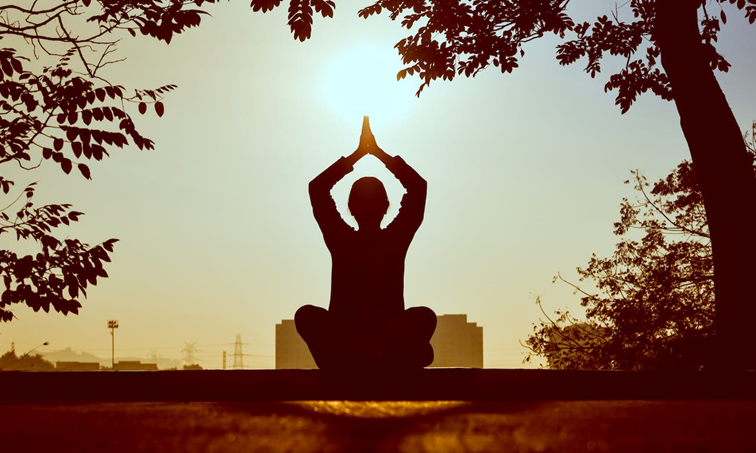
Each of us is unique and therefore each of us will fit a different type of activity and intensity. So, it is important to find the right exercise technique. What is generally most recommended is yoga, pilates or swimming as well. They can help relieve pain and contribute to a more positive mindset. Of course, be guided by what your body is telling you, as some positions may not be suitable. So find what absolutely suits and helps you. You can incorporate just longer walks into your routine on these days, which also help to relax the muscles and mind.
Also try to include weight training, except I would recommend skipping pelvic floor and abdominal exercises on these days. Don't worry, it's perfectly normal to have less strength and less energy these days. But beware, during ovulation studies show that we have the most strength and energy and this is the time to take advantage of it.
A lot of exercise also affects clothing, although it doesn't seem like it, it also has a big impact on how you feel during an activity. Therefore, wear comfortable clothes that allow you to move freely. Don't let leggings pull you in on your stomach or anything like that. The right choice of clothes is essential during this period.
Nutrition and hydration are underrated here. Include nutrient-rich foods during this period, drink plenty of water, drink warmer teas such as herbal teas are more pleasant and also don't forget supplements such as magnesium which can help relax muscles and reduce cramps, it also affects the nervous system and can promote mental wellbeing, also vitamin B which helps to affect bad moods or general mood swings, relieves irritability, breast pain and bloating. I also recommend Omega3 fatty acids as they have anti-inflammatory properties, which can also reduce inflammation associated with menstruation, relieve pain and maintain mental balance. Also, vitamin D, E, C, iron, etc.
As far as the concept of being fit during menstruation is concerned, it doesn't just mean that you have to keep yourself exercise fit. It has a second meaning and that is that fit means feeling good during this period. Therefore, you can also incorporate different methods of relaxation such as meditation or deep breathing, which also helps to reduce stress and improve your overall well-being.
Not forgetting sleep, which you hear and read about everywhere, but is also very important here.
Focus on getting quality sleep that promotes energy restoration and overall mental and physical well-being. If you're afraid to exercise, it's important to listen to your body. It may be more challenging for some, easier for others but after all, each of us should know how the body works and what it needs. Listen to your body, see what works for it and what doesn't and set limits.
What to avoid:
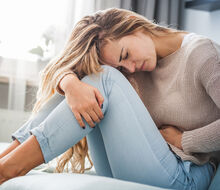
- It is not recommended to do too much intense exercise in the first place. It can increase general discomfort, fatigue, increase pain, etc.
- Caffeine and salt can affect fluid levels in the body and cause swelling. Therefore, limit the consumption of highly salty foods and caffeinated liquids.
- Although we need some extra sugar and higher energy foods these days, again, don't overdo it. It can affect our mood and energy in big ways.
- Ignoring your body's signals - we are each unique and it's really important to listen to your body to understand it and make your harder days easier.
- As we discussed above, so avoid uncomfortable clothes and lack of hydration.
What to take away from the article?
So, to sum up, we have come to the realization that maintaining an active lifestyle during menstruation is not only a matter of physical fitness, but also mental well-being. Each woman is unique, and therefore each of us must find an exercise approach that respects individual needs and comfort.
We have discussed different types of exercise methods suitable for menstrual periods, from yoga and pilates to swimming or simple walks. Paying attention to choosing comfortable clothing is important to the overall exercise experience, as is proper nutrition and adequate hydration. Being fit during menstruation is not just a matter of physical fitness, but also of feeling good. Relaxation techniques such as meditation and deep breathing can effectively complement an exercise regime and bring calm during menstrual difficulties.
Listening to your own body is key, and therefore recognising the need to respect your own limits. We also highlighted factors to avoid, including exercising too intensely, over-consuming caffeine and salt, or ignoring the body's signals.
Sharing stories, tips and support together creates a space where women can inspire their active lifestyle during menstruation. I wish everyone a relaxing and fulfilling day, whether you choose to exercise or relax.
Recommended
L-Arginine HCL 500g 1+1
Omega 3 240cps + 90cps
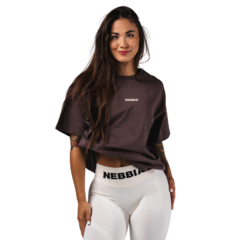
Nebbia Oversized tričko RESET 491
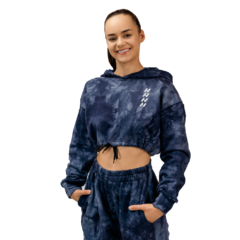
Nebbia RE-FRESH Mikina 591
No posts have been made yet.