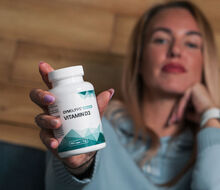
Effective supplements for colds: what really works?
 Author:
 The common cold is one of the most common infectious diseases we encounter, especially during the colder months. Although not usually a serious illness, symptoms such as a runny nose, cough, sore throat, fatigue and fever can be very uncomfortable and significantly affect quality of life. Therefore, people often look for ways to relieve symptoms or shorten the duration of a cold. Dietary supplements are one option that is widely used. But which ones are really effective?
In this article, we will look at five of the most researched and effective dietary supplements that can help with colds. We'll understand how they work, what the scientific studies say, and how to take them to get the best results.
1. Vitamin C: A classic among supplements
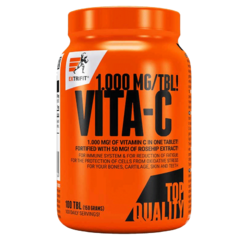
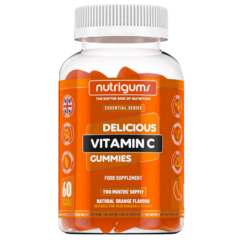
Vitamin C is probably one of the most well-known supplements that is often recommended for colds. This powerful antioxidant supports immune system function and helps the body fight infections. While taking vitamin C during the cold itself can help relieve symptoms, it is most effective when taken preventatively.

How does vitamin C work?
Vitamin C boosts the production of white blood cells, which play a key role in defending against infections. It also helps protect cells from damage caused by free radicals that are produced during inflammatory processes such as the common cold. Research shows that regular use of vitamin C can shorten the duration of a cold by 8-14% and reduce its intensity. According to a 2013 meta-analysis, vitamin C may also reduce the risk of colds in people who are exposed to extreme physical stress, such as athletes or soldiers.
How to take vitamin C?
Recommended doses of vitamin C for colds range from 500 to 1,000 mg per day. It is important to note that excessive doses (more than 2000 mg per day) can cause digestive problems such as diarrhea or stomach cramps.

2. Zinc: Quick action against viruses
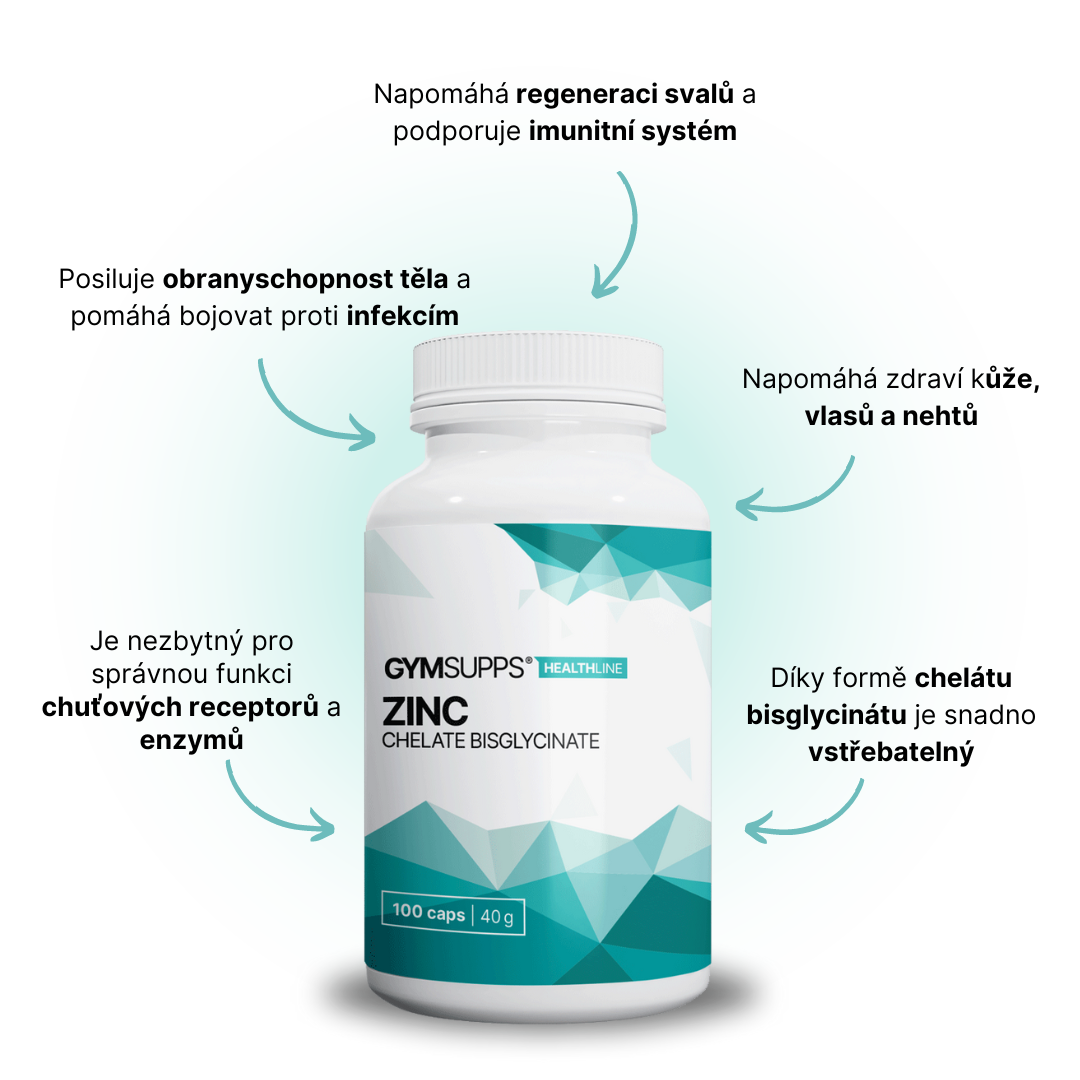
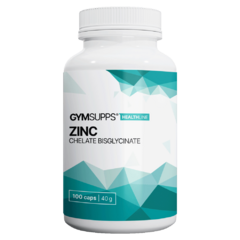
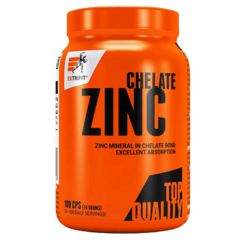
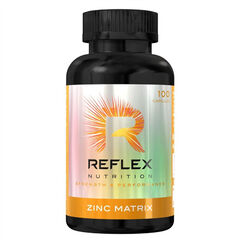
Zinc is an essential mineral that plays a key role in the functioning of the immune system. Many studies show that if zinc is taken in the early stages of a cold, it can significantly reduce the duration of symptoms.
.png)
How does zinc work?
Zinc prevents cold viruses (usually rhinoviruses) from being able to multiply in the nasal and throat mucous membranes. This reduces the time the virus can spread in the body and cause symptoms. Research shows that taking zinc in the first 24 hours after the onset of cold symptoms can reduce the duration of a cold by one to two days. Zinc also helps reduce the severity of symptoms if taken regularly. However, the form of zinc is important - lozenges or syrup are preferred because they directly affect the throat and nasal mucosa.
How to take zinc?
The recommended daily dose of zinc for colds is approximately 15-30 mg per day, depending on age and health. Higher doses should only be taken after consulting a doctor, as excessive zinc intake can lead to stomach upset or even toxicity.
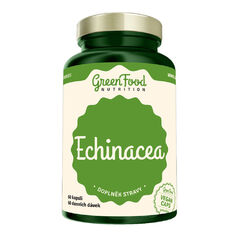
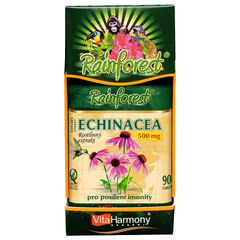
3. Echinacea: Natural immune booster
Echinacea, also known as St. John's Wort, is an herb traditionally used to boost immunity and prevent respiratory infections. Although scientific studies on its effectiveness yield mixed results, many people swear by its positive effects.
How does echinacea work?
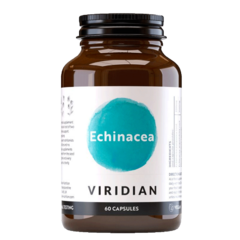
Echinacea contains compounds that can stimulate white blood cell activity and support the immune response. It also acts as a mild antiviral and anti-inflammatory agent, which can help relieve some cold symptoms. While some studies show that echinacea may reduce the likelihood of developing a cold and shorten its duration, other studies find no significant effects. Overall, however, it appears that echinacea may help, especially when taken in the early days of a cold.
How to take echinacea?
Echinacea is available in the form of teas, tablets, tinctures and extracts. For best results, it is recommended to start taking it as soon as possible after symptoms appear and take according to the directions on the specific product, usually 300-500 mg three times a day.
4. Probiotics: boosting immunity through the gut
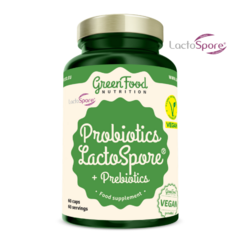
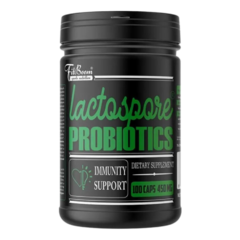
Gut health is closely linked to the health of the immune system. Probiotics, or "friendly" bacteria that support the health of the gut flora, can help boost the immune response and prevent respiratory infections.
How do probiotics work?
Probiotics support the balance of the gut microbiota, which is important for optimal immune system function. Some strains of probiotics can directly stimulate the production of antibodies and white blood cells that fight infections. According to studies, probiotics can help reduce the frequency of colds and other upper respiratory tract infections. People who take probiotics regularly appear to have a lower risk of developing a cold and the course of the illness is shorter and less severe.
How to take probiotics?
For best results, it is advisable to take probiotics regularly, not just during illness. The recommended daily dose varies depending on the specific product, but usually a dose of 1-10 billion CFU (colony forming units) per day is recommended.
5. Vitamin D: The sunshine vitamin for immune system health
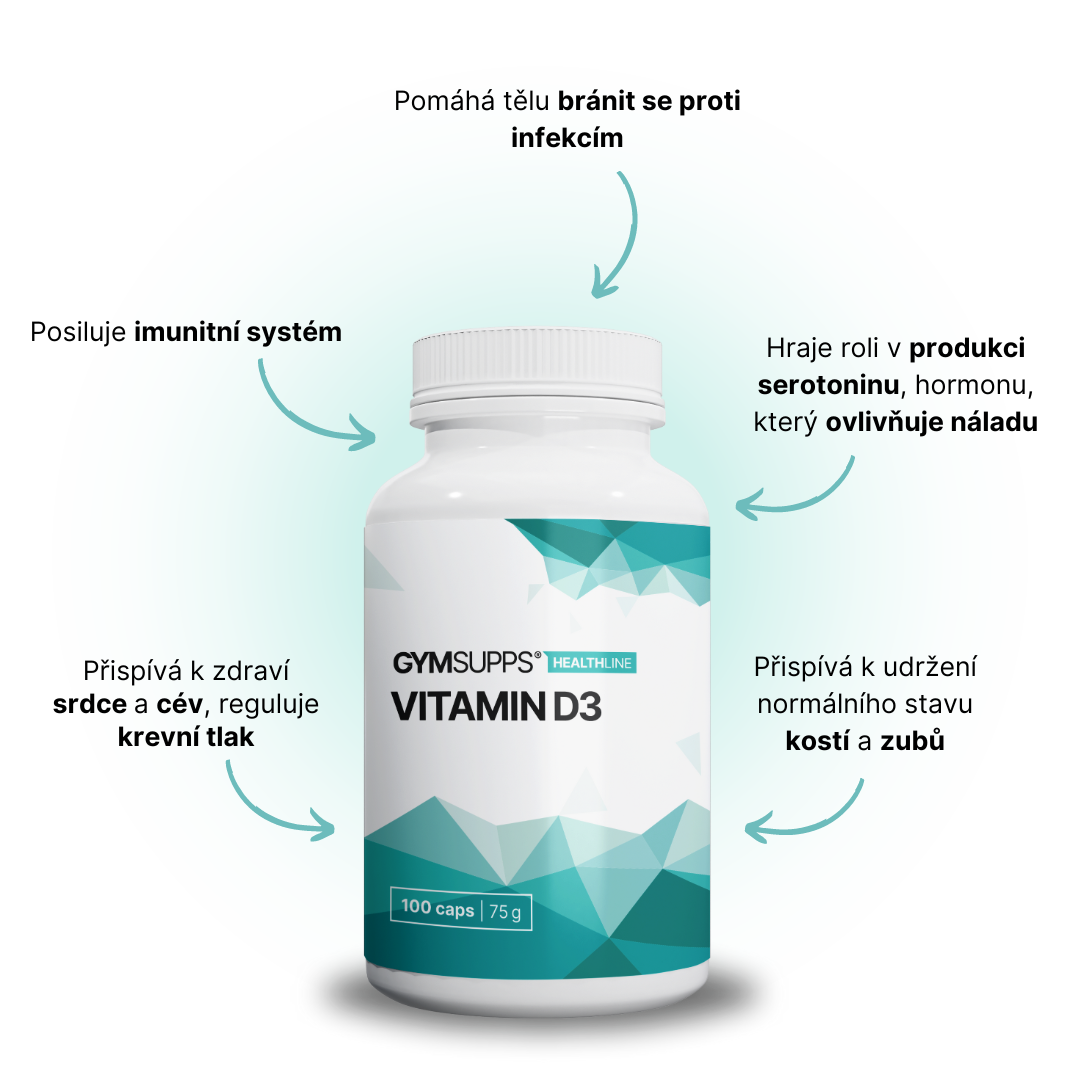
Vitamin D is essential for the proper functioning of many body systems, including the immune system. Vitamin D deficiency is associated with a higher susceptibility to infections, including colds and flu.
How does vitamin D work?
Vitamin D supports the production of antimicrobial peptides, which are part of the body's natural defenses against viruses and bacteria. In addition, it plays a role in regulating the immune response, helping the body fight infections. Studies show that people with low vitamin D levels have a higher risk of developing respiratory infections. Vitamin D supplementation may reduce the likelihood of developing a cold, especially in people with chronic deficiencies of this vitamin.
How to take vitamin D?
The recommended daily dose of vitamin D varies depending on age, gender and blood levels of vitamin D. It is generally recommended to supplement with 1000-2500 IU per day, especially during the winter months when there is less sunshine, which is a natural source of vitamin D.


No posts have been made yet.