





Avoid diseases and keep your health strong! These nutritional supplements will definitely help you!
 Author: Šárka Randáčková
 Vitamin C,vitamin D,zinc and other supplements can help against colds and flu, but they should only serve as an aid to the main weapons: proper hygiene, hydration, healthy diet, quality sleep, stress control and training.
Colds and flu are spread between people by viruses. During the colder months, you may be more susceptible to this: the cold can weaken your immune system, according to preliminary results in humans and animals, and force you to spend more time indoors, where you are more likely to pass things on to others.
Unfortunately, even if you follow all of the above, you can still get sick. Every winter we get the same question - Which of all the supplements designed to alleviate symptoms and fight typical illnesses work?
We answer timidly that some do. In this article, we present three supplements that are supported by moderate scientific evidence, and four that are supported by preliminary evidence.
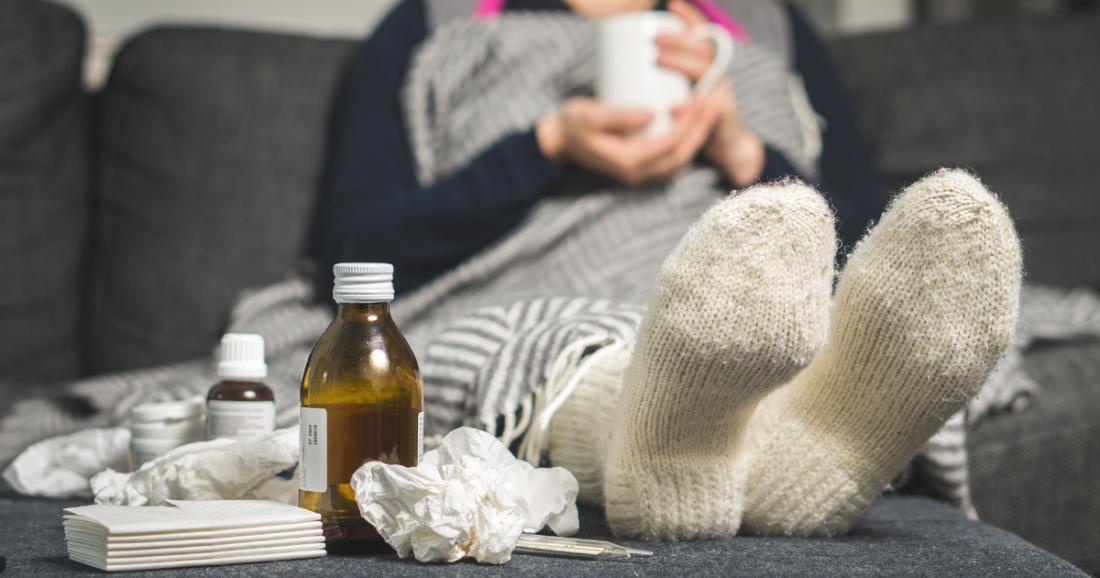
Supplements backed by moderate evidence
The evidence for the benefits of vitamin C, D, andzinc is often mixed, but it is universally positive.
Vitamin C
Marketing identifies it as the most important supplement against colds and flu.
Mechanistically, this makes sense: vitamin C helps the formation and function of immune cells and supports the physical barriers that protect the body from pathogens. In addition, at least 148 animal studies have found that vitamin C helps against infections carried by microorganisms.
However, this does not answer the most important question: can vitamin C help people against colds? A meta-analysis of studies conducted by Cochrane in 2013 attempted to answer this question. Here are the results:
- Taking vitamin C doesn't seem to help people who already have a cold. Some studies say that very high doses (a few grams) can reduce its duration, but more tests are needed to confirm this.
- People who take vitamin C regularly can expect a shorter duration (about 8% for adults and 14% for children), with slightly milder symptoms.
- Athletes who take vitamin C regularly are half as likely to have a cold as those who don't. This only applies to people who undergo "regular doses of intense training".
A 2018 meta-analysis confirms these findings However, it only examines 9 studies, all of which were included in the original 2013 analysis.
If you'd like to try a vitamin C supplement and don't know which one, check out our extensive range in the shop, where you can choose based on customer reviews, for example.

Squat variations - do you know them all?
Vitamin D
Vitamin D receptors are found throughout the body and this vitamin is involved in many processes, including the regulation of immune cells during infection, so it should be clear that a deficiency will lead to weakened immunity.
Epidemiological studies find a link between deficiency and increased risk of upper respiratory disease. According to a 2017 randomized trial analysis, taking vitamin D may prevent asthma symptoms and upper respiratory disease.
However, more studies may not mean a better outcome. A study from the same year does not confirm this result, either on children who took 400 IU/day or children who took 2,000 IU/day. There was no statistical reduction in the incidence or duration of upper respiratory tract viral illness.
If you'd like to try some vitamin D and don't know which one, check out our extensive range in the shop, where you can choose, for example, according to our customer reviews.
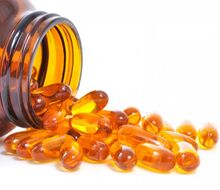
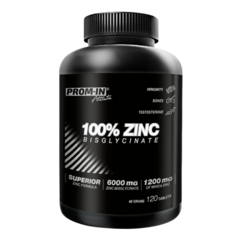
Zinc
Zinc has many functions in the body - including several in the immune system. If you get colds easily, make sure you get enough zinc in your diet. Athletes and people who sweat a lot are at high risk of deficiency.
But beware, excess is also risky.
Zinc lozenges can prevent viruses from multiplying and developing inflammation. If you suck on them during the day (75-95 mg of zinc a day, starting within 24 hours of the onset of symptoms), they can shorten a cold by 2-4 days, although symptoms will still last for a few days. Lozenges with zinc acetate may be more effective than those with gluconate (more traditional). However, tests are few and a recent study found no differences.
Zinc lozenges may also cause nausea and a change in taste perception, but this will pass after supplementation is stopped. In addition, they may cause loss of sense of smell persisting after repletion. For this reason, sprays are not recommended as they do not show any greater effects than lozenges.
The cold-reducing dose of zinc (75-95 mg/day) is higher than the recommended safe limit (40 mg/day). Even 100 mg/day for up to two weeks should not hurt you, but if you start to experience nausea, vomiting, loss of appetite, stomach cramps, diarrhea, or headaches, stop taking zinc. These are all signs of excess Also remember that zinc is in a lot of foods and all multivitamins. It can easily happen that you take much more than you originally wanted.
If you would like to try some Zinc and don't know which one, check out our extensive range in the shop, where you can choose for example according to our customer reviews.
Supplements with preliminary evidence
Many other supplements can help against colds and flu, but the evidence is usually mixed, scarce or of poor quality. Echinacea, elderberry, medicinal geranium and probiotics look promising.
Recommended
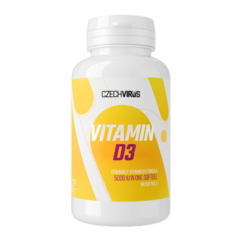
Czech Virus Vitamin D3
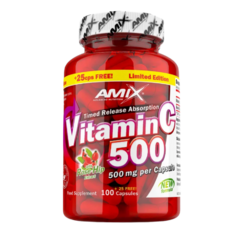
Amix Vitamin C500
Echinacea
When taken daily, echinacea may reduce the risk and duration of upper respiratory tract infections, but the evidence is too limited for statistical or clinical significance. In addition, many tests lacked quality or were difficult to determine.
Echinacea may interact with other drugs, especially immunosuppressants. If you are taking such medications, you should probably consult a doctor before taking echinacea.
If you would like to try a supplement with Echinacea and you don't know which one, check out our offer in the shop, where you can choose, for example, according to our customer reviews.
Elderberries
Elderberries (elderberries) are known as an antioxidant, and in one study reduced the length and severity of colds more than a placebo. In several studies they did the same with flu, but the evidence is weakened by small sample sizes, and sometimes poor quality methodology.
The effectiveness and safety of elderberry is still in doubt because there are not enough studies yet. If you would like to make juice from them, instead of buying a supplement, remember that the berries need to be thoroughly boiled, otherwise they may cause nausea or even cyanide poisoning. Use only the berries - the rest of the plant is poisonous, and should not be consumed in any form.
Medicinal geranium
Medicinal geranium contains prodelphinidins - tannins that can prevent bacteria from taking hold in the throat and lungs.
Medicinal geranium may reduce the duration and severity of colds, but studies are few and have not yet been critically evaluated. Moreover, none of these studies have actually looked at medicinal geranium's fight with colds.
Probiotics
Various probiotics have an effect on the immune system, but a 2015 Cochrane study summary found no effect on preventing disease.
Since then, a comparison of 23 randomized trials has found that probiotics can reduce the incidence of upper respiratory tract infections in children, and two comparisons even confirm this in athletes and the elderly, but Cochrane still offers the most reliable review yet.
Systematic reviews of probiotics are problematic for two reasons:
- Different studies use different cultures of bacteria, making comparability low.
- Some studies mix cultures, making it impossible to determine which culture is responsible for the results.
Regarding influenza, analyses of 9 studies from 2017 report that taking probiotics and/or prebiotics at the time of vaccination helped improve the effectiveness of influenza vaccination in healthy adults. However, many of the study participants were over 70. Although they were healthy, it is not entirely possible to estimate the effect of probiotics on the younger population.
If you'd like to try some Probiotics and don't know which one, check out our selection in the shop, where you can choose based on customer reviews, for example.
Recommendations
Reaching for a supplement may seem like a quick and effective relief from a cold or flu. Whether we are talking about prevention or treatment of symptoms.
So the recommendation is the same as always: only reach for effective supplements when they are meant to complement healthy lifestyle habits - not to protect you from bad habits that increase your risk of getting sick.

Source: www.examine.com -Which supplements can help against colds and the flu?
Author: Zad Chow
Translated by Jaromír Uhlíř
Author: Šárka Randáčková No posts have been made yet.








