





Are We Losing Our Masculinity? Testosterone Levels in Men Have Dropped by More Than 50% Since the 1970s!
 Author:
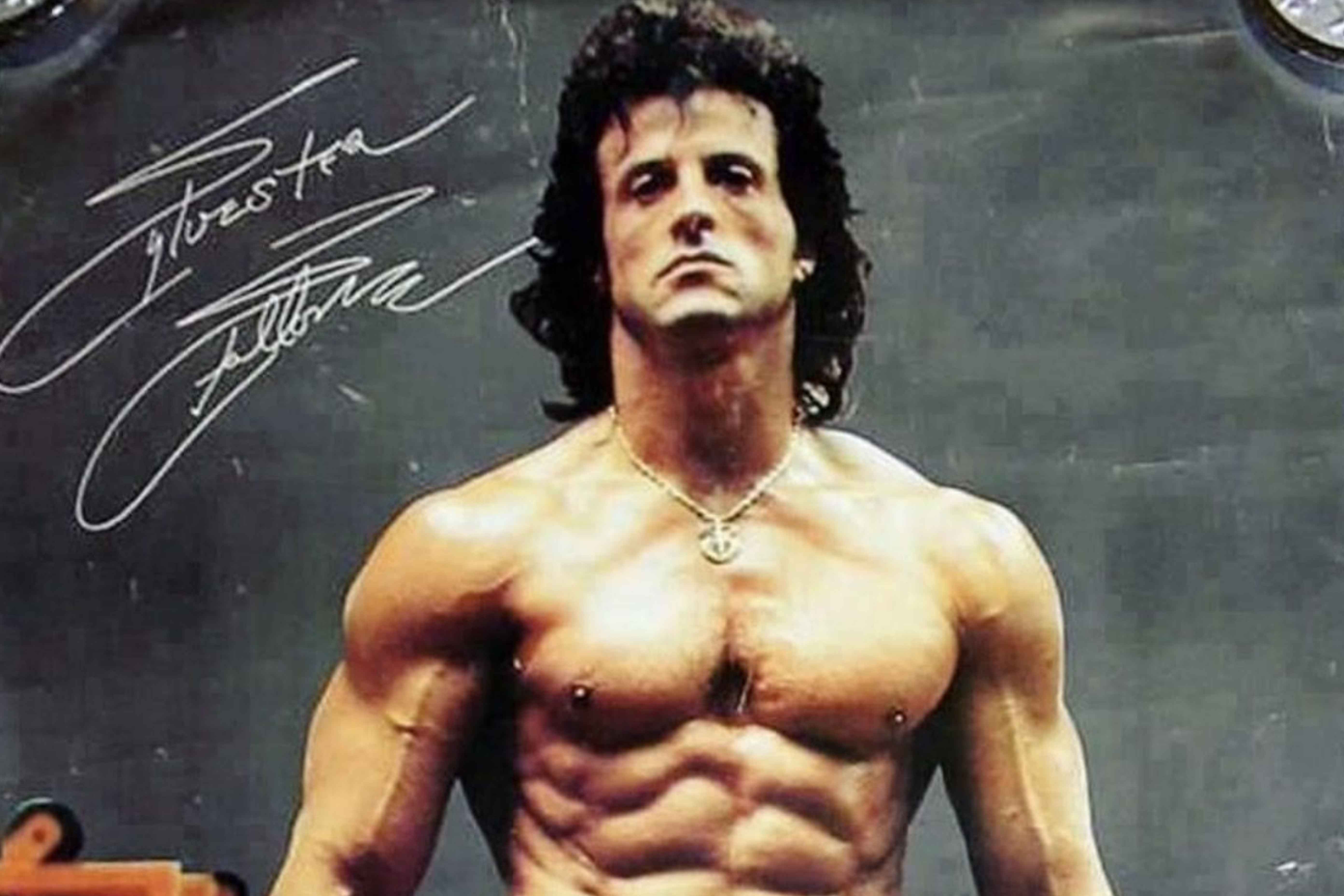
 While icons of the ’70s and ’80s like Sylvester Stallone were built like mountains of muscle, today’s ideals—often represented by more slender actors like Timothée Chalamet—present a completely different image of the modern man. It seems that this visual shift in pop culture has a real biological basis. We are losing our primary male hormone at a dizzying pace.
Today’s thirty-year-old is not the same as a thirty-year-old from the era of our grandfathers and fathers in terms of hormonal profile. According to the latest data, men’s testosterone levels are declining at such a rate that it is even alarming scientists themselves.
The hard data speaks for itself
The situation is more serious than it might seem at first glance. A large-scale study presented at a recent congress of the European Society of Human Reproduction and Embryology (ESHRE) revealed a shocking finding: since 1972, average testosterone levels in men have dropped by a massive 54%.
The researchers did not arrive at this conclusion lightly. They analyzed a massive dataset from 118,593 men across five different countries. The result represents an average decline of more than 1% per year over the past half-century. Furthermore, experts strongly warn that this downward trend has accelerated even more rapidly since the year 2000.
What’s the problem? Modern conveniences are to blame
What exactly is behind this “testosterone crisis”? Scientists aren’t pointing the finger at a single culprit, but rather at a toxic cocktail of factors linked to our modern lifestyle. Among the main causes, they list:
- Environmental chemicals: Specifically, these are substances that disrupt the hormonal system (so-called endocrine disruptors), which are found in large quantities in plastics and common household chemicals, for example.
- A sedentary lifestyle: Hours spent in offices in front of computer screens and a lack of natural physical activity are direct enemies of testosterone production.
- Rising obesity rates: A higher percentage of body fat has been shown to have a suppressing effect on the male hormonal profile.
- Rising global temperatures: According to scientists, changes in our environment may also play an unexpected role in the decline of reproductive health.

What does this mean for today’s generation?
In other words, today’s 30-year-olds have, on average, significantly lower testosterone levels than anyone of that age did fifty years ago. Yet this hormone isn’t just important for building muscle mass, chiseled features, or a deep voice. It plays an absolutely crucial role in a man’s overall health—it affects bone density, libido, energy levels, mental well-being, self-confidence, and the ability to concentrate.
This dramatic decline is a stark warning to society as a whole. Although it’s difficult for us as individuals to combat the ubiquitous plastics and chemicals in our environment, we still have control over factors such as daily exercise, diet quality, and preventing weight gain. Perhaps it’s high time to reevaluate our comfortable lifestyle and start actively fighting for our health.
Recommended

Carnigel 60g 5+1

Nebbia Dvouvrstvá sportovní podprsenka FLEX 241

Nebbia Boxy fit košile s kapsami STREET ICON 599

Nebbia ERA 28 Exkluzívní tričko 100
No posts have been made yet.








