





Zone (isocaloric) diet
 Author:
 Thanks to Dr. Barry Sears' research in the 1980s in the USA, it became clear that one of the causes of obesity is a high proportion of carbohydrates in the diet. This was the basis for the development of the Zone Diet, which in a very short period of time became one of the most popular diets in the Western world.
Principles of the Zone Diet: the correct ratio of carbohydrates, proteins and fats is the basis
During the zonal diet, the correct ratio of carbohydrates, proteins and fats in each meal is important. According to Dr. Sears, if we limit the intake of carbohydrates in our diet to a certain amount, we force our body to draw energy from protein and fat. Barry Sears involved leading American athletes in his research, and it was through them that he discovered the correct ratio in which people should take in each nutrient. This ratio is: 40% carbohydrates, 30% protein, 30% fat, (in contrast, the classic carbohydrate diet contains about 60% carbohydrates). One of the most important principles of the Zone Diet is that you must not be hungry while following it (this is how it was presented in the media for many years).
Protein - the most important component of the Zone Diet
Protein is the most important component of this diet of Barry Sears, called the Zone Diet, which he tried to include in the diet an increased amount, just at the expense of carbohydrates. Of course, it is not only these that he recommends choosing according to glycaemic index values, which should be as low as possible. By limiting carbohydrate intake, the Zone Diet forces the body to draw energy for its needs from protein and fat. By doing this, we get the body into a "zone" (hence the Zone Diet) where it performs "ideally" and is in the best shape its genetic makeup is likely to allow.
Daily menu of the Zone Diet: 5 to 6 meals
With the Zone Diet, the diet is broken down into 5 to 6 smaller meals per day, with the main meal of the day, lunch, having a maximum of 2000 kJ and snacks, of which you should have 2 to 3, you must fit into 450 kJ.
In addition, for each of the meals you need to think about a balanced intake of all 3 nutrients. So forget about having, for example, buns filled with pudding in the morning and then balancing the nutrient ratio with a chicken steak for lunch. No, you need to maintain the ratio of carbohydrates to protein in every meal you consume. And that's not all, you also need to assess whether you are taking in each nutrient in the best possible form.
What to eat and not to eat on the Zone Diet
For carbohydrates, be sure to forget about those with a high glycemic index. You must exclude white bread, classic pasta, white rice, sugar, but also honey...
Allowed in the Zone Diet are carbohydrates contained in vegetables, fruits (intake is limited to 200 g per day), whole grain products.
Even fats, of course, you can not include arbitrary. Forbidden are butter, lard, cream, as well as solidified vegetable fats. However, from fats you can olive oil, vegetable margarines, nuts or avocados.
What about protein? Here, too, you need to follow certain rules. You are allowed white meat, fish, seafood, low-fat dairy products, soy meat, egg whites, cheese and occasionally lean beef or veal. Gentlemen in particular will have to forget the much-loved cured meats (exceptions can be made for the occasional chicken breast ham), pork, egg yolk, semi-skimmed and full-fat dairy products when on the Zone diet.
In addition, you must drink a larger glass of liquid with every meal on the Zone Diet, so you'll be sure to take care of your drinking regimen. Finally, it remains to note that you must strictly avoid hard alcohol and anything containing caffeine.
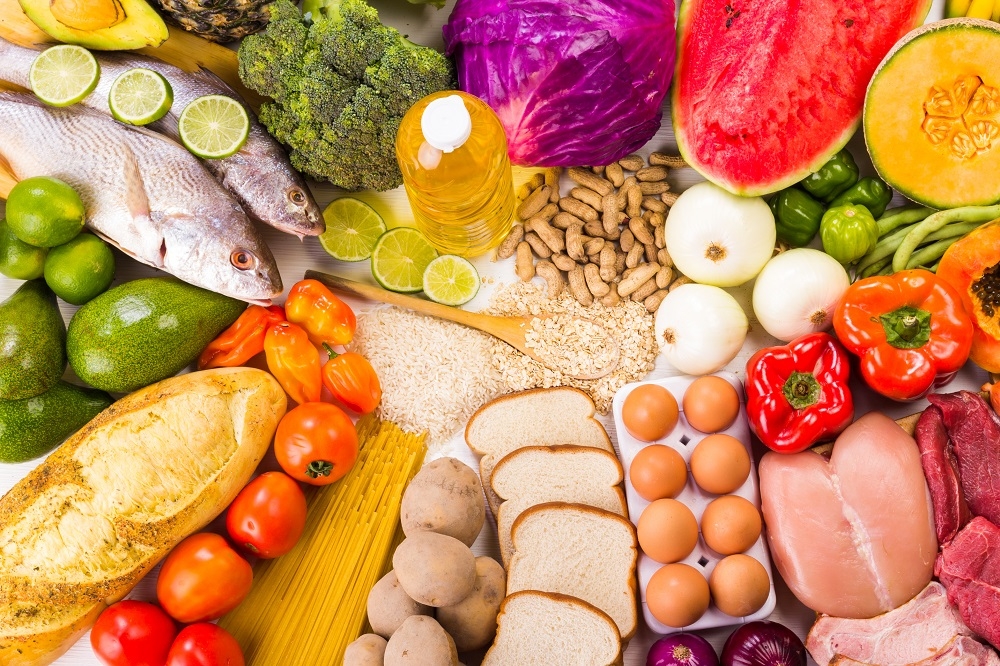
What are the rules of the zone diet?
Breakfast is recommended, if possible, immediately after waking up. The gap between meals, which should have a maximum energy value of 2000kJ, should be at least 3-4 hours. The last meal should be eaten just before bedtime and a large glass of fluid should be consumed with each meal of the Zone Diet.
In choosing a diet containing carbohydrates, foods that have a low glycaemic index are preferred (for example: a chocolate bar has an index of 70, while a vegetable salad has an index of 10). The closer the glycaemic index is to zero, the more suitable the food.
Advocates of the Zone diet advise against caffeinated drinks and the consumption of hard alcohol (wine is allowed, but in reasonable quantities). As with many other diets, proponents of the Zone Diet warn that a return to the original way of life is associated with an undesirable yo-yo effect.
Who is the zone diet for?
Since the Zone Diet was created in collaboration with athletes, it is primarily for them. It allows you to naturally build and strengthen your muscles with adequate physical exertion. But it is equally suitable for anyone who wants to lose weight healthily, is willing to change their diet and wait a few weeks or months for the results. Due to the low carbohydrate content of the Zone diet, a sacrifice is necessary in the form of a large reduction in the consumption of sweet.
What can and can't I do on the Zone Diet?
It is allowed and recommended to consume:
- chicken and fish meat
- vegetables and fruit (in smaller quantities)
- wholemeal bread
- low-fat dairy products
- nuts
- olive oil and margarines
Not suitable to eat:
- White bread
- potatoes
- pasta
- sweets (including honey, ice cream, chocolate, etc.)
- cereals
- butter and cream
- cold cuts
- alcohol (except for small amounts of wine)
- coffee
Benefits of the zone diet
- you think about your food and food composition
- you learn to eat healthier
- you don't suffer from hunger
- you eat regularly
- a properly composed diet has enough nutrients and vitamins
- it is not a monotonous diet, but a lifestyle change
Disadvantages of the zone diet
- you have to think about food (at least at first)
- weight loss is slow but effective
- after returning to the original way of eating, the yo-yo effect may occur
Protein:
Suitable: skinless chicken and turkey, fish and seafood, low-fat dairy products (yogurt, cheese, milk, kefir), egg whites, soy meat. Lean beef or veal, turkey breast or low-salt chicken ham are available as a reward.
Not suitable: pork, egg yolks, semi-skimmed and full-fat milk, high-fat dairy products (cream yoghurt), cold cuts, processed cheese.
Fats:
Suitable: olive oil, vegetable fats (e.g. Flora), avocado, macadamia nuts, almonds.
Not suitable: butter, lard, cream, solidified vegetable fat.
Carbohydrates:
Suitable: raw vegetables (leafy salads, peppers, tomatoes, cabbage, radishes), cooked vegetables (leeks, spinach, broccoli, cauliflower, beans), fruit (apple, grapefruit, nectarine, strawberries, melon, orange, raspberries, kiwi) - but no more than 150 g per day, oatmeal, wholemeal bread, natural rice, wholemeal pasta. Potatoes, banana, mango can be given as a reward.
Not suitable: wafers, corn flakes, honey, sugar, ice cream, sweet pastries, popcorn, white bread, white pasta, rice, corn, store-bought juices.
What follows carbohydrate consumption?
The digestive system converts every degradable carbohydrate, whether it comes from a sugar cube, a serving of rice, or a slice of bread, into glucose. This, when it enters the bloodstream, causes the secretion of insulin, which reduces its levels (you've probably heard of blood sugar/blood glucose levels). Insulin allows glucose to enter the muscles and liver, where it is made into a storage form of carbohydrate - glycogen. This serves, among other things, to supply the body's organs with energy during intense physical exertion.
However, if glycogen stores are full, which is often the case in normal people who do not do regular and vigorous sports, and if energy requirements are satisfied even immediately, excess glucose is transported to fat cells, where it is stored in the form of fat for possible later use (during starvation, when glycogen stores are depleted, during prolonged aerobic exercise, etc.).
In addition, the action of insulin continues even after the elevated blood glucose level has been compensated, causing it to fall further below normal levels. Low blood sugar, hypoglycemia, triggers the brain's desire for additional carbohydrate intake. This is probably the reason why after a plate of spaghetti for dinner, one feels hungry again after only 2 hours.
The magnitude of these insulin fluctuations varies from person to person - so-called insulin resistant individuals experience high fluctuations of this hormone even after consuming moderate amounts of carbohydrates.
Conclusion on the zone diet
The Zone Diet is certainly an interestingly constructed system of regular eating. On the other hand, many of its recommendations completely contradict the ideas of other diets. Its draw is the fact that it is promoted even by world media stars.
Example of the diet:
- Breakfast: three scrambled egg whites, half a slice of rye bread, grapefruit.
- Snack: 100g Cottage cheese, paprika.
- Lunch: 150 g chicken breast, 60 g natural rice, 200 g steamed mushrooms, 1 tsp olive oil.
- Snack: 50 g turkey breast, apple.
- Dinner: sandwich (seafood salad without mayonnaise in 2 slices of rye bread), small salad.
- Night snack: 1 dl white wine, 50 g cheese.
Or also - Breakfast: 5 whole eggs, two slices of wholemeal bread with jam, a piece of fruit.
- Snack: protein drink (at least 70%), mixed nuts (15 - 20g).
- Lunch: turkey sandwich ( or cheese sandwich ) made from wholemeal bread, baked potato, salad
- Snack: protein drink (minimum 70%), 4 tablespoons of peanut spread.
- Dinner: 350g steak, baked potato or cup of rice, two cups of vegetables.
- Night snack: protein drink (minimum 70%), mixed nuts (20 - 50g).
[Source: abcdieta.cz, dietar.cz, sjidelnicek.cz, svetkulturistiky.cz]
No posts have been made yet.








