





You don't know which diet is best? If you want to start losing weight, this article will help you.
 Author:
 Are you going to lose some of the pounds you gained over the summer and you don't know which diet or nutritional approach from the many that modern trends offer is the right one for you or which is the most effective at all? In fact, slimming diets are the most popular topic when it comes to sports and healthy eating, ever.
Diet. A process that everyone reading this article has probably gone through, some perhaps repeatedly and most likely not twice successfully, when re-opening an article titled "how to choose the best diet". Well, but we'll get to that later.
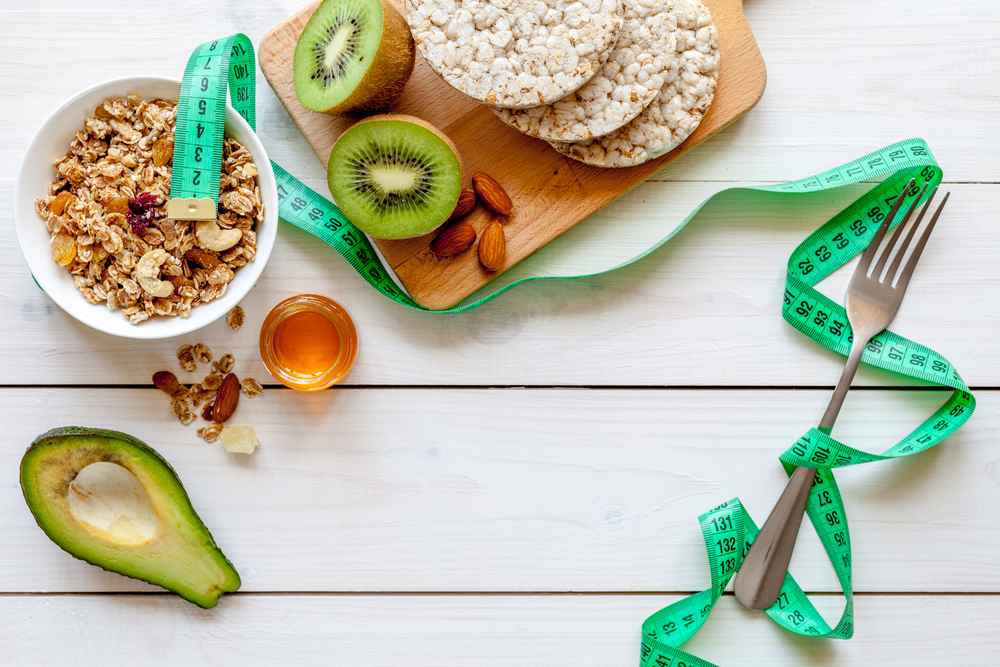
Just the word... diet. It sounds awfully harsh. Most people will probably think of it as some kind of cruel starvation diet, or maybe a monotonous diet of chicken, rice and broccoli. But modern times move on... We had the low-fat era, apple/grape/pineapple and other diets, low-carbohydrate diets, fasting diets, detox diets, diets based on eating various cocktails, Jennifer Aniston's diet, and also the diet from Vera from the third floor or Karl from Facebook. Yeah, diet trends change, new ones keep popping up, one to the exclusion of the other, and everyone stubbornly promotes their own.
What diet plans are in fashion now?
- PALEO - or a diet in which you try to completely avoid all processed foods.(Paleo diet can be found here)
- KETO - this eating trend is really hot right now. Why? Because it limits your intake of carbohydrates as much as possible - the demons of the modern nutrition world.
- INTERMITTENT FASTING (intermittent fasting) - we all follow this style in some way, specifically during sleep. The idea is that you have a window of time in which you eat your entire daily intake (no matter how many servings) and then don't eat for the rest of the day. With IF, however, the window for intake tends to be shorter than the fasting window - for example, 8-16, but you eat for 8 and "starve" for 16.
- CARBOHYDRATE WAVES - an ageless classic in the form of carbohydrate cycling, used extensively by fitness athletes, but also by ordinary people, although it is quite stereotypical, if set up inappropriately you can do much more harm to your body than good, and the yo-yo effect usually comes after it is over.(All about carbohydrate waves can be found here)
- LOW CARB - Another trend advocating carbohydrate restriction, but to a lesser degree than the keto diet.
- LOW FAT - Although the responsibility for fat pads is slowly shifting to carbohydrates, a portion of the population still believes in the harmful effects of fat and avoids it like the devil.
- GLUTEN FREE - Apart from people who are allergic to gluten and this diet has real merit for them, there are many more who don't need it, they just misunderstand the concepts. It is gluten that stands along with carbohydrates at the top of the list of evils for your body. As it happens, people oscillate between two absolute extremes. Either their grain intake is really concentrated on wheat only, with perhaps the occasional small amount of oatmeal. Or, alternatively, they cross themselves at the sight of anything that contains gluten, even if only in trace amounts. It's just that many so-called gluten foods are extremely valuable to us. Barley, for example, or rye - these grains should have a place in our diet as our "natural" and local foods.
And then of course there's a bunch of others - RAW, vegan, Mediterranean, zonal, vegetarian and we could go on. Today's era offers a truly diverse list of diets to follow. They are usually named according to their main focus - either what they exclude, what they focus on or who invented them. It seems like choosing the right diet that really works would be a decent nut to crack, right? Not really.

What do I mean? You know what all "diets" have in common? Creating CALORIC DEFICIT, an inequality where your intake is less than your output. They differ only in the way you take in nutrients, their distribution, or ratios. You're probably already scratching your head that the ideal will be the one that suits you. If I may speak for myself, the best diet = no diet at all, actually. The best way to shed pounds, look great have loads of energy, and most importantly a healthy body is called a healthy diet.
Yes, here we go again with the healthy eating thing. This term is tricky and anyone can imagine anything under it, so we should probably tell ourselves what it actually means for us. I personally like this definition very much:
An ideal (healthy) diet is one that:
- Provides the body with adequate energy and nutrients.
- Helps the body "stay healthy"
- Provides enjoyment from food
- Is not overly processed
- Allows the individual to live a full life, without neuroses and obsessions over dietary control!
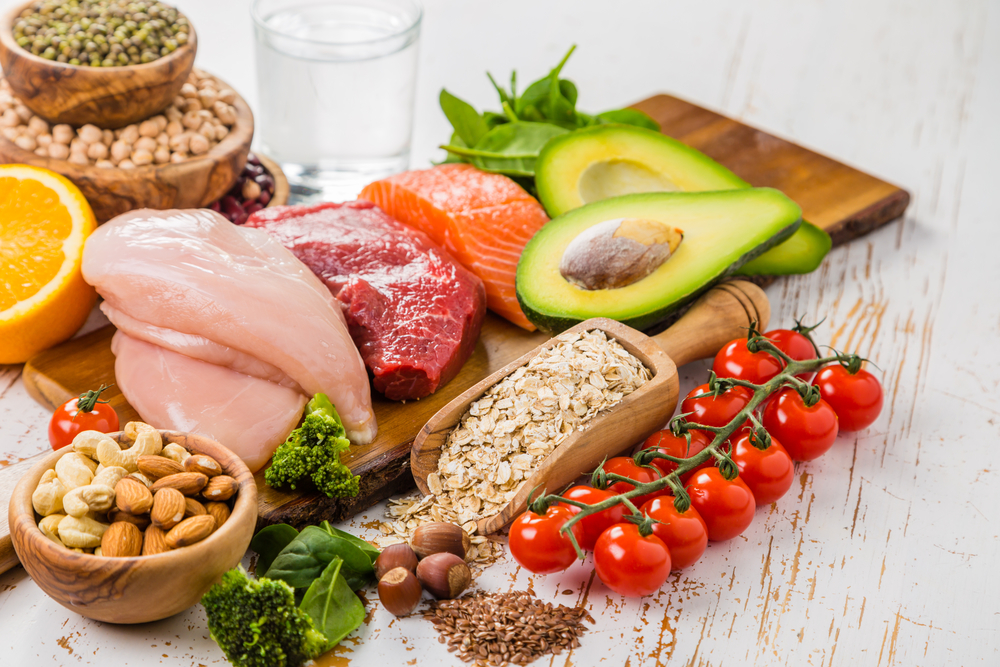
Of course, you can eat low-carb, low-fat, meatless, gluten-free, or whatever, but for the general population, the simplest way is just plain healthy eating, as defined above, which includes all the macronutrients of food in sufficient quantities. There is no rule that you have to restrict this or that to lose weight. That being said - the key to cutting back is nothing but CALORIC DEFICIT and what diet you create it on is entirely up to you.
But let's move on to how to actually measure the success of the style you set?
There can be several problems for people who are starting to reduce weight, and these problems make them unable to properly assess the suitability and effectiveness of their chosen diet type. The first problem is undoubtedly a wrong or unrealistic goal. When setting a goal, keep your feet on the ground, don't want everything right away and be patient! You have been piling on the pounds for some time now, so abandon the idea that you will get rid of them in 14 days. Rather, engage your mind, read some relevant information and set (or have set) your intake in such a way that your body is in a caloric deficit and you lose fat, but that your body does not in any way lose significantly, perhaps to the limit of basal, i.e. resting metabolism, heaven forbid below it.
The second problem is that damned thing called weight. This bitch can really make you angry, especially if you are of the fairer sex. Let's just say up front that the scale itself is a completely useless number. The only one who will care is maybe your GP and otherwise absolutely no one. So if you consider your weight to be the most important thing, think again. Not only does weight fluctuate throughout the day, but the temperature outside, the state of the body, and for women, for example, the cycle and hormones also play a role , which can cause weight to fluctuate by a few pounds. Hence, weight is actually an insanely confusing, unstable number that may not actually play any role in measuring results.

For example, if you start exercising along with changing your diet, you might gain some muscle, your body will change, and you'll still gain weight. Despite the praise from the people around you about how good you look, you abandon your "diet" because you are gaining weight - and that is wrong! As we said, it doesn't have to be wrong at all. A kilo of muscle is equal to a kilo of fat, but the volume of the two tissues is significantly different. Definitely don't just use the scale to compare your results - use a tape measure, and photos are good too. Figure out which is the most important indicator for you and go with that.
What does a failed or unsuitable diet look like?
We've already mentioned the process of reduction several times here - the calorie deficit. Some diets are very tempting because they promise rapid fat loss, but unfortunately due to too much restriction of caloric intake or due to absolute restriction of an important macronutrient. And it is these diets that are the worst. Not only can you bring yourself some health complications due to the low intake, but also sooner or later you will go back to your diet and most likely your original weight, if not higher. Such diets are also a very common "trigger" for eating disorders.
The second group of diets that don't do very well are those that are too one-sided, where after a few weeks you get tired of eating the same thing over and over again and give up your efforts. Or those that don't allow you to eat the foods you like, even if they might be suitable for a healthy diet, even in reasonable quantities.
So what does a diet that works look like?
Any style of eating that you are able to stick to for the long term is suitable for you, and is likely to bring success if you are patient and careful enough. Adequate calorie intake and sufficient dietary variety should be the basis of any successful diet. If your diet does not offer any of these, then it is probably time to look for a different type of diet.
A general recommendation would be to focus less on what is trendy and eat in a way that makes you feel good about yourself. Eat foods that you like, taste good, give you energy and drive away hunger and cravings, instead of worrying about a diet that you don't "enjoy" just because your colleague or half of your Facebook group is on it. The process of finding "the right diet" is something everyone has to go through on their own. For some it takes a long time, during which they try everything possible and finally find it, others have clarity right away.
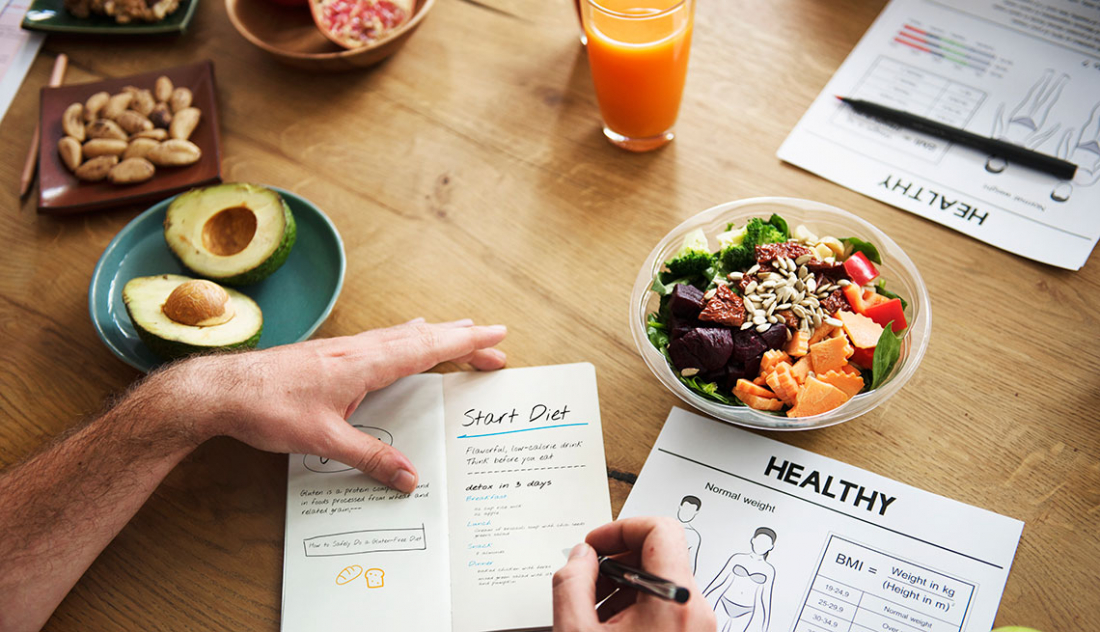
So, in conclusion - is there an "ideal diet?"
Because each person is individual, we all have different genetics, metabolism, body in general, we have different jobs, different goals, different time options.. in short there is nothing that can be applied as a recommendation valid for everyone. Try, test and you will definitely find what is best for you. It's been said here that it's all about "feeling good".
As for measuring the effects of different diets, although it may surprise you, thanks to modern trends that promise fast and significant results, they are more or less the same in the long run. So, you ask, is one diet style better than the rest? Low-carbohydrate and ketogenic diets are suitable for the treatment of diabetes, metabolic disorders and other health complications. In addition to this, they might also be more suitable for non-athletes and people who have a sedentary lifestyle and are unwilling or unable to incorporate physical activity into their reduction, and therefore increase their output. Low-fat diets may then be suitable for people who are less overweight or have liver problems.
However, every diet has its pros and cons, and every diet can be bad if it is set up inappropriately. Something suits everyone differently - one person is fine with low-carb, another can't exist without carbs, and so on. In short, it's impossible to pick one that could be described as "the best".
So in general - don't focus on modern trends, on your surroundings and on God knows what, but focus on yourself. Eat a healthy diet, rich in nutrients, varied and balanced. Eat in a way that makes food fun, tastes good and is a pathway to your desired goal. Eat food that is real food and enjoy your progress and most importantly your life, because by constantly dieting and stressing about shedding pounds, you are complicating it unnecessarily. I'm not saying food isn't important - but it shouldn't be your only focus.
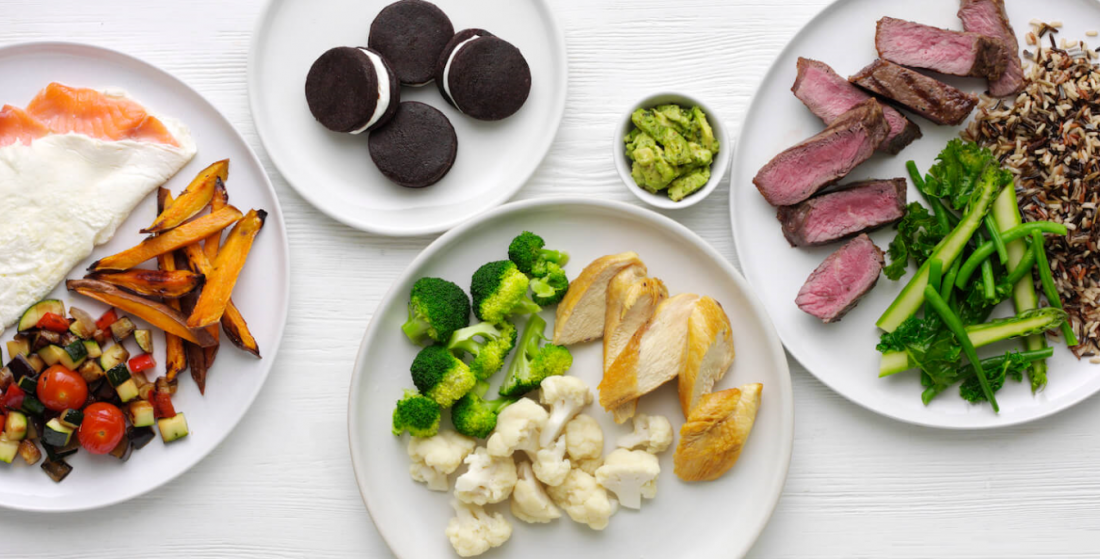
Moreover, cutting down doesn't have to be based on constant calorie counting at all, learn to feel your body and give it what it needs and asks for, but be able to correct it - in short, if it asks for three donuts for breakfast five days a week, the advice "listen to your body" is probably not entirely appropriate, what are we talking about? Reduction is based on the principle of creating a caloric deficit, so if your intake exceeds your output, ketosis or anything else won't save you.
No posts have been made yet.








