





Types of body fat. Do you know them?
 Author: Šárka Randáčková
 You need to know this...
- Body fat is just another organ and has its own functions. It stores calories and secretes hormones that regulate metabolism.
- Body fat has two main categories, white and brown.
- White fat has several subcategories. Some are healthy and prevent metabolic syndrome, others are life threatening, and some just don't look pretty to look at.
- Brown fat is the "good" fat. It is energy rich and feeds on white fat.
- By increasing the amount of brown fat, you will burn hundreds of calories more each day. This can be accomplished with food, supplements, or lifestyle changes.
Altruistic cannibals
Most people don't see it this way, but fat is just another body organ. It doesn't have a precise place like the heart or liver, but it acts like an organ because it has specific functions. One of them is the storage of calories, another is the secretion of hormones that control metabolism.
But most people treat fat like an inflamed appendix. It just needs to be gotten rid of. This is not correct, however, because not all types of fat are bad. Some types of fat are dangerous, of course, but others are cannibals that eat their own kind and keep us in shape. The key is to increase the good type so that we don't actually have to diet.
2 Main categories of fat
Humans have white and brown fat. Both types store energy, but white fat cells contain only one fat droplet each, while brown fat contains many small droplets. Brown fat also contains many mitochondria, which use the droplets to create energy and heat.
Have you ever made fun of a kid because he has no definition in his deltoid muscles? Probably not. Kids have the most phalanges around their neck and shoulders for good reason. It's brown fat. Babies can't shiver to create heat, so they need this brown fat reserve to stay warm.
Scientists used to think that people lost all that brown fat as they aged, but they found that adults have it too, and that the amount of it fundamentally affects how chiseled we are overall.
So brown fat is good. The verdict for white fat is a little more complicated.
White fat
In addition to storing calories, white fat also makes hormones like adiponectin, which affects the response of the muscles and liver to insulin. It also suppresses appetite.
The problem is that when we have too much white fat, it tells itself that enough is enough and stops making adiponectin. To make matters worse, fat cells make estrogen in both men and women, the proportion of which increases in proportion to the amount of fat. That's an unmitigated disaster.
White fat has several subcategories. Some are useful, some just painful to look at.
1 -Subcutaneous
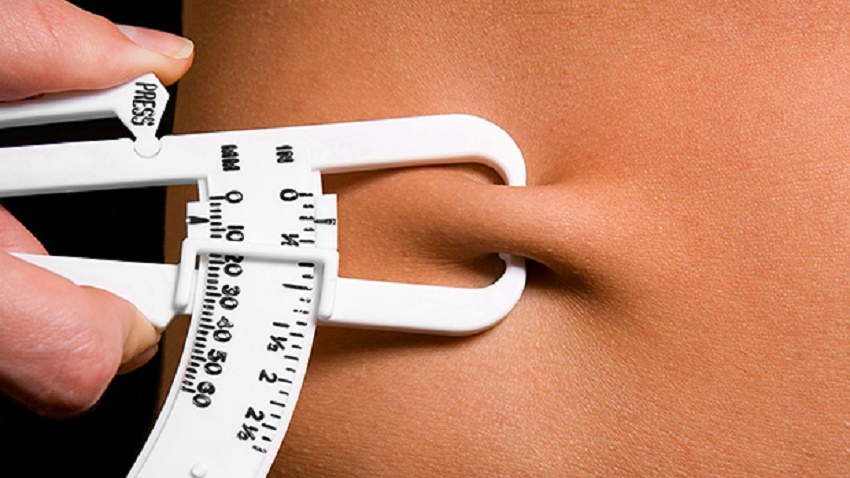
This is the type resisted by bodybuilders and men who like to go shirtless. This is also where a trainer who measures your fat level will poke you. It doesn't have a negative effect on health and can even be beneficial, depending on where it is shed.
2 - Fat on the thighs and buttocks
This one usually plagues the ladies. Having something to grab a woman by is generally considered attractive, but too much of everything is detrimental
Evidence is beginning to emerge that women with a pear-shaped figure are more protected against metabolic disorders, that is, compared to people with a big belly. Of course, there is no reason to think that Kim Kardashian will outlive us all thanks to her giant butt.
The effects of this fat are mild. What's more, when women go through menopause, they usually lose this protection as the fat moves from their buttocks and thighs to their abdomen.
3 - Visceral fat
This fat wraps around our internal organs. If you have a big belly, you certainly have some visceral fat. Although it's an integral part of the lifestyle of people who dress up as Santa and truck drivers, large amounts of this type of fat increase the risk of heart disease and stroke. It also appears to play a higher role than other fats in increasing insulin resistance, the de facto cause of diabetes.
4 - Belly fat
This is actually a hybrid of subcutaneous and visceral fat. Without a tomographic examination, it is basically impossible to determine,which category it falls into, because it changes as it pleases. And such an examination is quite impractical for many reasons.
Let's put it this way. Too large waist circumference (over 100 cm in men and 90 in women) increases the risk of heart disease, stroke and diabetes.
Abdominal fat also produces most of the leptin, the hormone that controls metabolism and appetite. However, it stops working here too when too much belly fat accumulates.
Burn 300 calories a day
As I mentioned earlier, brown fat contains an abundance of mitochondria that feed on fat droplets. It also removes sugar molecules from the blood, suggesting that it helps fight type 2 diabetes. If you were able to increase the amount of brown fat, increase its activity, or force more white fat to act like brown fat, you could burn up to 300 extra calories a day. And that means losing a little weight every month without any added activity.
Fortunately, white fat can be turned into brown, or at least beige, which means it will behave more like brown. There are several ways to do this. First we'll show one very impractical but interesting one.

The freezer method
Exposure to low temperature activates the brown fat. One 2012 study had gentlemen sit in suits with water circulating at 18°C for 3 hours. These volunteers burned 250 extra calories compared to when they sat at normal room temperature. The temperature of the water did not cause shivering (which burns calories), but merely forced the mitochondria of the fat cells to take more sugar molecules out of the blood so they could heat them up.
It can be done without an aquaman suit. The Japanese let 12 men with below-average amounts of brown fat sit in an 18°C room for 2 hours a day for 2 weeks. The conclusion of the experiment was that the men's little bit of white fat "browned," and they burned an extra 289 calories per day.
As I said, this is not exactly a practical method. But you can try it in the winter by setting your thermostat to the lowest tolerable temperature and not dressing too well. We don't quite have good evidence for this, but it's possible that this approach will help you burn a little extra calories.
Fortunately, however, we have other methods for increasing your brown fat percentage that don't require you to become a human popsicle.
Exercise
Training motivates muscle cells to produce a hormone called irisin, which makes white fat behave more like brown fat and encourages brown fat to burn calories.
Olive oil
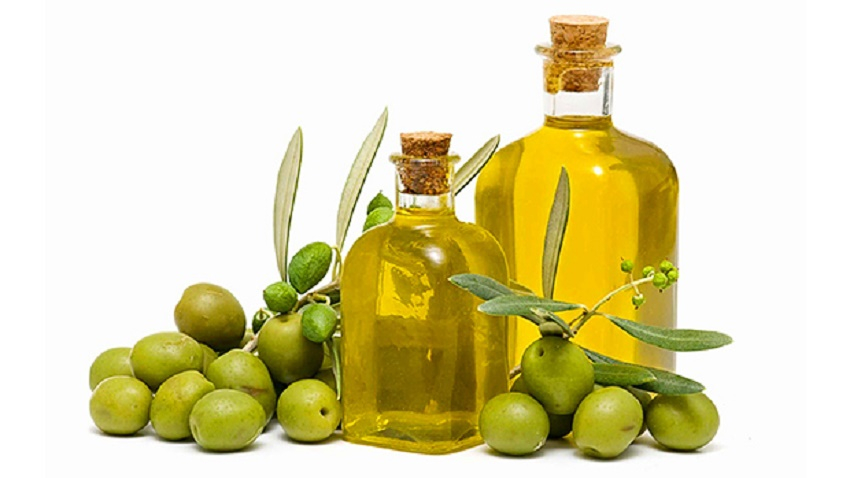
One of the ingredients in extra virgin olive oil makes white fat behave more like brown fat. It's called oleuropein. Mice were given diets containing 1, 2 or 4 mg/kg of this ingredient. After 28 days, they lost a lot of body weight, fat around the kidneys and fat near the genitals.
This ingredient apparently increased levels of UCP1, a protein that makes mitochondria burn more energy and give off more heat. It's probably the same mechanism used by the unapproved fat burner/insecticide DNP, but without the side effects that will make you kill your brother.
Another mouse study had a similar conclusion when mice were fed a diet where 40% of the energy came from olive, sunflower, palm oil or beef tallow. Mice on olive oil showed the highest activation of brown fat.
More sleep hormone, please.
Melatonin is pumped into flight attendants to keep them from falling into a coma as they explain the pitfalls of wearing seat belts. Melatonin also seems to stimulate the formation of beige fat.
Simply cutting light from your bedroom (phones, TVs, computers) and eating melatonin-rich foods such as goji berries, almonds, cherries and sunflower seeds can increase your melatonin levels and with it your beige fat levels.
The blue in blueberries
Cyanadin 3-glucoside (C3G) is a component of blueberries, blackberries, black beans, and several other fruits and vegetables. It has well-known anti-obesity effects, but most have attributed them to its effect on insulin sensitivity and general glucose and nutrient handling. (Those same properties make it a quality nutrient for building muscle).
However, Japanese scientists have just discovered that C3G also turns white fat brown. They recently published their work in the Journal of Biochemistry. They reported that C3G causes changes in white adipocytes (fat cells).
The changes include increased mitochondrial content, which is a major feature of brown fat cells. C3G also causes the nascent fat cells to be more often brown, according to them.
Nowadays, you can even get C3G as a supplement!
How to use this information
Increasing the proportion of brown fat, making it more efficient, or converting white fat to beige, can cause you to burn a lot more calories.
You can do this by eating more olive oil. For the average person, however, it would probably be quite uncomfortable to get to the amount of its active ingredient used in the studies. Of course, you can have say 2-4 tablespoons a day, and enjoy at least a small part of its positive effects.
You can also increase your melatonin levels by removing all distracting light sources from your bedroom, eating more foods rich in it, and supplementing with C3G before your biggest meal each day.
Oh, and finally, I'll mention the method of deliberately cooling yourself, which, while it has some of those "browning" effects, seems a bit impractical and extreme. After all, you're human, not pork chops.
Sources:
1. Doheny, Kathleen "The Truth About Fat," WebMD, July 13, 2009.
2. Jimenz-Aranda, Aroa, et al. Melatonin induced browning of inguinal white adipose tissue in diabetic fatty Zucker rats," Journal of Pineal Research, 2103, September.
3. Moyer, Melinda Wenner, "Supercharging Brown Fat to Battle Obesity," Scientific American, July 15th, 2014.
4. Oi-kano, Yuriko, "Oleuropein, a Phenolic Compound in Extra Virgin Olive Oil, Increases Uncoupling Protein 1 Content in Brown Adipose Tissue and Enhances Noradrenaline and Adrenaline Secretions in Rats," Journal of Nutritional Science and Vitaminology, Vol. 54 (2008) No. 5, pp 363-370.
5.Rodriguez, Victor M, et al. "Olive oil feeding up-regulates uncoupling protein genes in rat brown adipose tissue and skeletal muscle," Am J Clin Nutr Feb 2002.
5, Toshiya Matsukawa, Myra O. Villareal, Hideko Motojima, Hiroko Isoda, " Increasing cAMP levels of preadipocytes by cyanidin-3-glucoside treatment induces the formation of beige phenotypes in 3T3-L1 adipocytes." Journal of Biochemistry, February 2017, Volume 40, pages 77-85.
Author TC Luoma
Original article title: The 5 Different Types of Body Fat
Translated by: jaromr Uhlíř
Author: Šárka Randáčková No posts have been made yet.








