





Tired of counting calories? Never mind, we'll give you a guide on how to lose weight without it!
 Author:
 Would you like to lose a few pounds, but are discouraged by having to count calories and weigh your food? Are you worried that it would take you a long time to figure out how much to eat and if you could even get your intake right when there are so many articles, guidelines, recommendations and information about what is actually the BEST thing to eat? Most articles and discussions claim that the only way to reduce is by counting calories (and of course skipping carbs :)) and I totally understand that this just isn't for everyone.
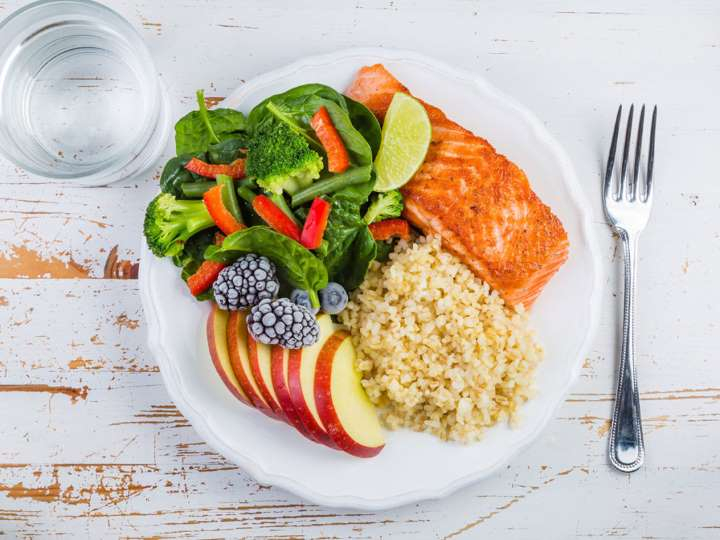
But are you therefore doomed to have your extra pounds keep you company forever? Nope! If you want to reduce your weight and not be a slave to the scale and the calorie calculator, we have good news for you! The basic premise of fat reduction is to be in a calorie deficit, that is, taking in fewer calories than you expend. But how do you achieve this without counting calories? You can reduce without counting anything, you just need to follow a few rules, which we will present in today's article.
We will tell you how to control hunger, how to avoid eating hidden calories, how to estimate portions and how to actually eat like those who have their macros precisely calculated but without any weighing and counting. Still, such a reduction will require some order and discipline, but I believe that together with regular training it will be absolutely a piece of cake for you to master!
Article Content:
- Tip number 1 - Adequate hydration
- Tip number 2 - Don't drink your calories
- Tip number 3 - Keep your portions under control
- Tip number 4 - Choose low calorie foods
- Tip number 5 - Take your food to work with you
- Tip number 6 - Get enough quality sleep and reduce stress
- Tip number 7 - Every movement counts
- What to take away from the article?
Tip number 1 - Stay hydrated (with non-caloric drinks)
Drinking plain water and unsweetened teas can be the best aid to your reduction, but only if you follow the rule of drinking enough regularly and for a long time. Let's take a look at how water actually affects the fact that we can take in fewer calories.
Water and feeling full
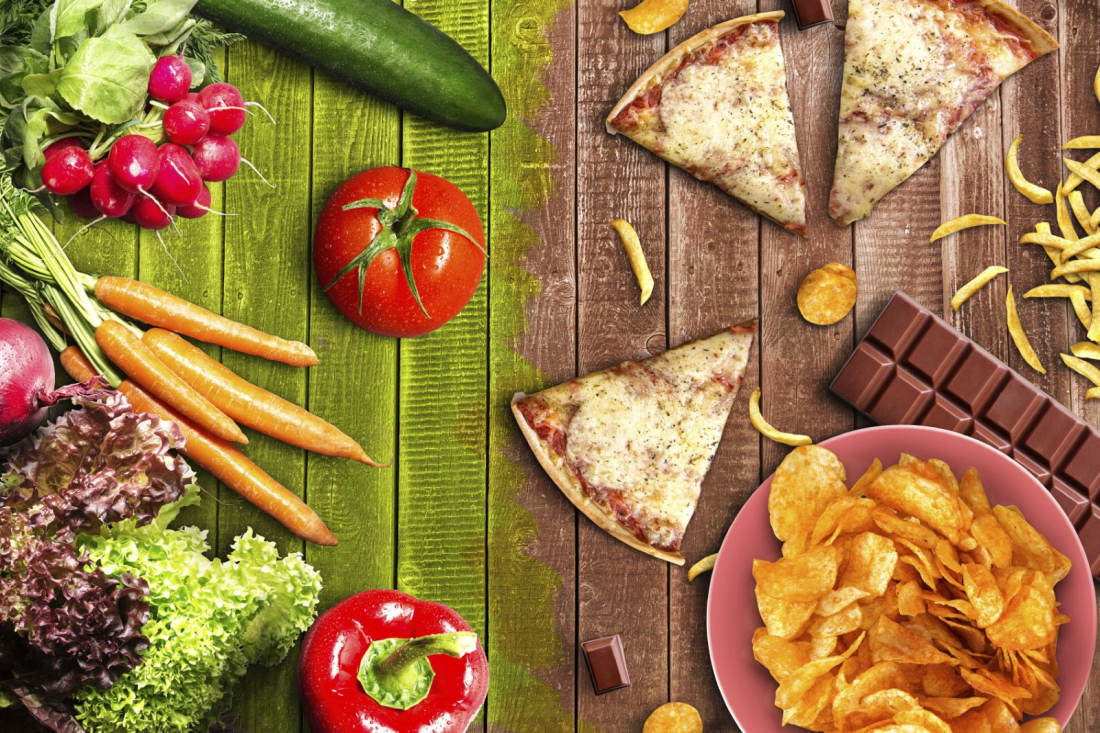
The stomach signals a feeling of fullness by the volume of what you consume, not by the amount of calories a given food has. Let's explain this with an example - it's much easier and quicker to eat a full bag of crisps or a bar of chocolate than to cram in the last few rosettes of cooked broccoli or other vegetables on your plate, isn't it? Okay, leaving aside the fact that you may not be the best cook and the food doesn't taste quite right, vegetables are about 90% water. The imaginary food volume counter in your stomach responds much better to the water and nutrients you take in from eating vegetables than it does to the few crumbs you shove in in the form of a bag of chips. So vegetables will fill us up a lot more, even though the caloric intake may not be half that of a bag of chips that will make you hungry in a minute. And it's a FUCKING DIFFERENCE!
Water and hunger
Moreover, it's well known that by the time you feel thirsty, you're actually already going through dehydration. Symptoms of dehydration include irritability, fatigue, poor concentration and you may also see a deterioration in sports performance. In addition, when we are dehydrated, there can be a false sense of hunger that suppresses the thirsty urge, and as a result, there may be a compulsive need to eat, even though you may have finished eating a few moments ago. Inadequate water intake can actually be the reason why you are hungry again after a more substantial meal. You know the saying "hunger is thirst in disguise"? Before you start eating, try drinking about half a glass - a glass of water, it could be a good strategy to limit your extra calorie intake and induce satiety faster. (P.s. I'm not saying to drink a dam before every meal and then not be able to eat, please put some sense into it).
So how much water to actually drink?
As we discussed in a previous article optimal water intake is a PURELY SUBJECTIVE THING. Still, it is not okay to drink less than a liter - a liter and a half a day. The need for fluid intake increases if you are active, or if you are in a warm environment, or in high outdoor temperatures. If your fluid intake is well below the acceptable limit, don't increase your intake in one go! Start increasing your intake gradually and give your body (and bladder in particular) a chance to adapt to the higher water intake.
Tip number 2 - don't drink your calories
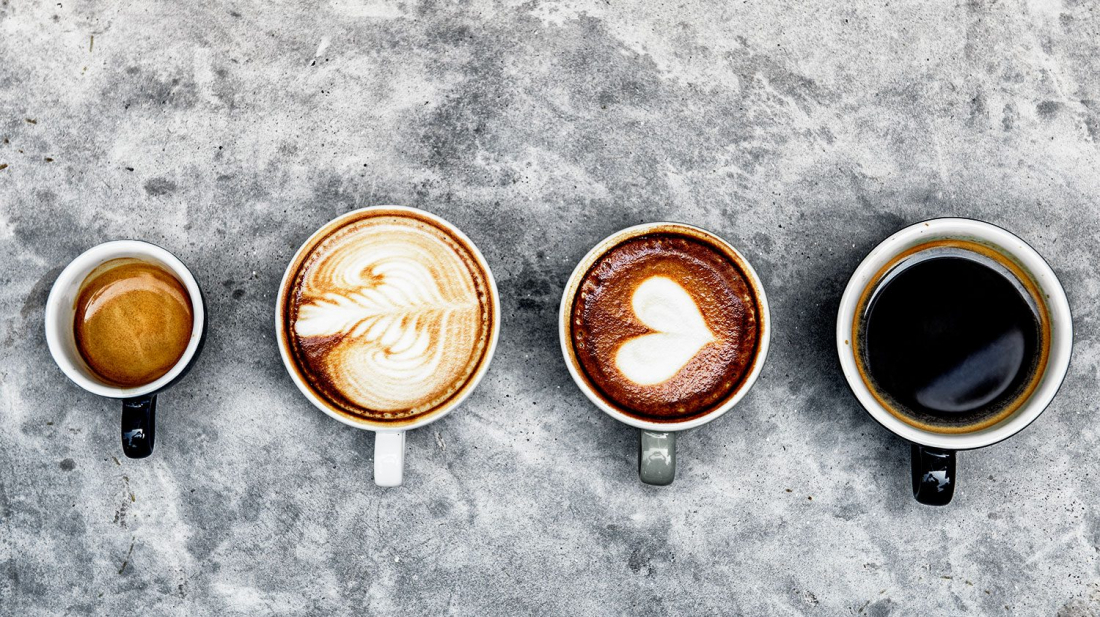
If you're serious about cutting down, you should say goodbye to consuming sugary sodas, juices, smoothies, and also lattes and other coffee specialties, whether with added syrups or a good dose of whipped cream on top.Swap sugary drinks for plain water, which can be flavoured with fresh fruit, herbs, a calorie-free sweetener or a scoop of BCAAs, and instead of a latte with syrup and whipped cream, have an americano with sweetener, coffee with low-fat or plant milk, or simply swap these calorie-laden hot drinks for some good tea. This simple swap will help you save an incredible amount of calories.
Tip number 3 - keep your portions under control
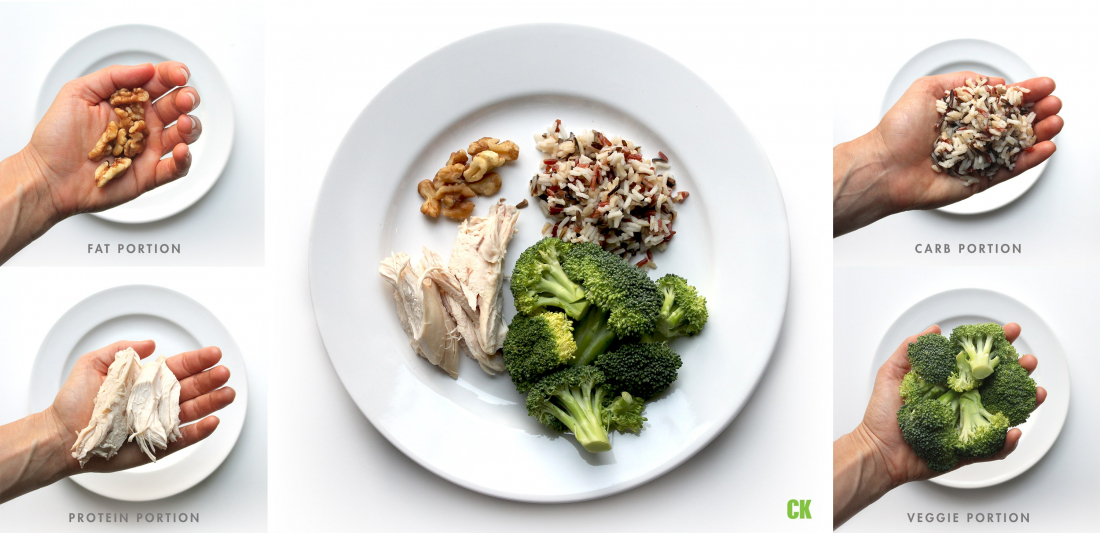
You don't have to weigh your food to keep track of how big your portions are. You can use measuring cups, measuring cups to keep track of your portions. You can measure out what your ideal portion of a side dish is and then just use the amount by eye using the ruler on the cup/measuring cup, or you can use something as primitive as your own hands! Yes, really even something so seemingly simple can work quite well. It's not the most accurate, but it does help you make an estimate of how big the portions should probably be. How does this estimation method work in practice?
A palmful of protein
If you want to estimate a serving of protein, the optimal serving should be about the size of your palm. For example, a palm-sized chicken will provide about 25-30g of protein. Always choose complete, lean and easily digestible sources of protein such as poultry, beef, eggs or even fish. By eating enough protein, you will ensure that you take in all the essential amino acids for optimal body function and also for muscle growth and recovery. Choosing the right type of protein and getting enough of it can also promote satiety and reduce your overall calorie intake.
Carbohydrates by the handful
A handful is a relatively good guide to estimate your carbohydrate portion. While carbohydrates are usually demonized and given all the blame for stored fat, in reality carbohydrates are a nutrient that has a place in the diet, especially if you are an active athlete. We divide carbohydrates into simple, quick sources, which might be fruit or also kokin and sweet bakery products, and complex ones, which are the ones that will be our focus. The bottom line is that all carbohydrates are a form of sugar-based energy and cellular fuel.
Try to prioritize complex carbohydrate sources such as rice, quinoa, oatmeal, whole grain breads, or perhaps buckwheat. And make sure that such carbohydrate sources make up the bulk of your diet. The amount of carbohydrates is perhaps the most individualized aspect of nutrition, as some people respond better to lower amounts of carbohydrates while others need a higher intake to live. For best results, it is advisable to consume carbohydrates especially in the pre- and post-workout periods.
How about vegetables? Two handfuls at a time!
Add 1-2 handfuls of vegetables to each meal. Vegetables have a low caloric density (density) meaning they contain very few calories for a large volume. It is also important to know that potatoes, carrots and corn, for example, are starchy vegetables with a higher calorie and carbohydrate content than other vegetables. These foods can of course be part of your diet, but you need to keep in mind that you need to control the amount of them. Cucumbers, broccoli, spinach, peppers, zucchini, pumpkin, or cauliflower are all very good choices.
Put the fruit in a handful as well
Although fruit is very rich in vitamins, minerals and antioxidants, keep in mind that it is higher in calories and sugar than vegetables. Choose fresh or frozen. If you reach for canned fruit, make sure it doesn't contain too much added sugar. Also be careful with dried fruit, as it is much higher in calories than fresh fruit - or rather, you will find a lot more calories in smaller quantities. 100g of fresh fruit is definitely not equal to the calories in 100g of dried fruit. Fruit is a very good part of a diet, both a reduction diet and an athlete's diet, if you eat too much fruit it may be the reason why you are not reducing.
Measure fat with your thumb or a teaspoon
Fats are the third, absolutely essential nutrient for optimal health. Daily fat consumption should never fall below 15 percent of your total caloric intake, regardless of your goal. For fats such as oils, spreads and butters, add two thumb-sized servings (or half max 1 teaspoon) 2-4 times a day. For solid fats such as nuts and seeds, for example, you may want to calculate how many pieces make up one ideal serving. For example, 24 almonds is about the optimal serving size, or you can also count this as about half a handful. Consider 2-3 eggs as one serving of fat per day. The most important thing is to vary your fat sources to ensure that your diet doesn't just contain nuts and fatty cheeses, but also oils, avocados and some animal fat. However, beware of trans fats. Great ways to keep your fat intake in check include using spray oils, investing in a good pan that can be used to cook without oil and watch out for nut butters, because one teaspoon is rarely enough.
Tip number 4 - Choose foods with a low calorie density
Simply explained, the caloric density of a food is how many calories it contains per 100g. For example, a large portion of pasta contains around 200-300 calories, if we halve the portion and top it up with, say, courgettes, which have a very low caloric density, we get a meal that is much bulkier and still takes in fewer calories.
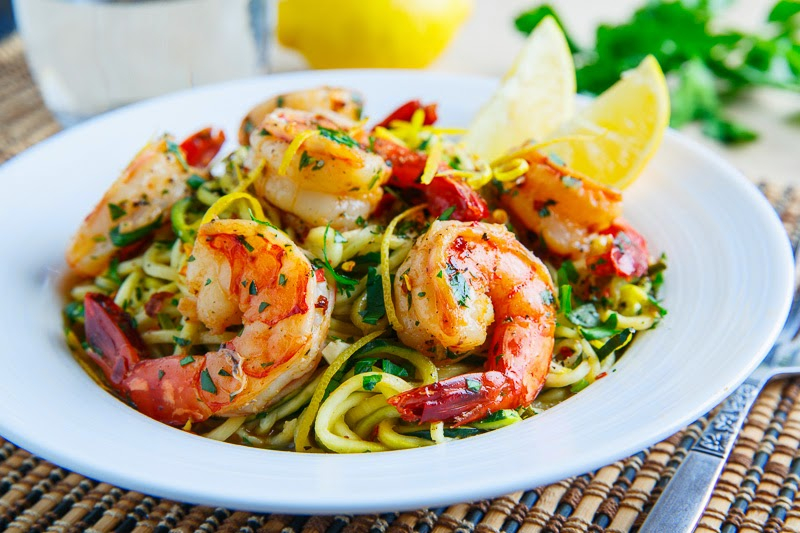
Of course, it's not about eating only zucchini instead of pasta. But there are plenty of simple swaps that can help you save some calories - like swapping rice for cauliflower rice, making your salad dressing out of Greek yogurt instead of mayonnaise, and indulging in vegetable fries baked in oil instead of French fries. I'm not saying you should skip the carbs at all! On the contrary, but the ways we've listed can help you save a nice few extra calories.
These options are not only nutritionally packed and contain all sorts of vitamins and minerals, but they are also an important source of fiber, which, as you probably already know from previous articles, has a big impact on satiety. Foods such as pasta, white rice etc., although suitable for the diet, contain less beneficial nutrients and fibre, so eating these types of foods alone will not keep you full for very long and it is always advisable to supplement them with some protein and vegetables, which will increase not only the volume but also the amount of fibre and help keep you feeling full for longer.
Tip number 5 - Take your food to work with you
Bringing boxed lunches and snacks to work prepared from home is another very effective way to keep your calories in check. Because if you arrive at work/school unprepared, chances are you'll be hungry enough to go buy a candy bar or bagel from the vending machine or the company cafeteria, and you'll end up taking in maybe more calories than you think. Those who are prepared are not surprised, so always have a homemade sandwich of rye bread with ham, cheese, or maybe some good spread of cottage cheese and a piece of vegetable, or yoghurt with nuts and fruit, or maybe a homemade healthy bun. And the same goes for lunch - prepare a healthy and tasty meal in a box that you know exactly what it contains. Plus, precise preparation and regular calorie intake throughout the day will keep you from evening fridge raids and uncontrollable cravings.
Tip number 6 - Get enough quality sleep and reduce stress
Sleep is something that affects our entire life and functioning, and hence, cutting down is no exception. Sleep may play a much bigger role in fat reduction than you ever thought. If the body doesn't get enough rest and is under a lot of stress, not only can it not regenerate enough, but studies also confirm that people who don't get enough sleep consume many more calories during the day to have enough energy to function, and have trouble regulating their hunger because their leptin and ghrelin (hormones that affect hunger) levels are simply not at the right level.

In fact, inadequate sleep is one of the strongest risk factors for the development of obesity. Excess stress is also a big factor in the rise of cortisol, which is known to tend to increase belly fat stores and play a role in increasing the risk of developing chronic diseases such as diabetes and heart disease. Want to successfully reduce? Just get a good night's sleep every day!
Another major cause that prevents many from reducing their weight is excessive stress. Try to reduce or eliminate it altogether. You can use a relaxation technique such as yoga. A night out with friends, a walk, or perhaps reading a good book.
Tip number 7 - Every movement counts
The last tip that will help you in your fat reduction efforts is to be active during the day. If you don't have time or aren't a downright sports enthusiast, try something as simple as walking - stop your car a few blocks away, or get off the tram two stops early and walk to work. Instead of taking the elevator, take the stairs to the office and use every spare moment to take a few extra steps. Of course, it's a great idea to add in some regular vigorous activity, whether it's the gym, the pool, a bike ride, or maybe a group exercise class. But every movement counts, so anything little you can do in a day is great too.
What to take away from the article?
Today, we've looked at a few ways to help you reduce body fat without having to count calories and weigh your food in any way. Of course, this takes some discipline, but for many people it can be a good way to kick-start their progress, while not being a slave to the kitchen scale and calorie calculator. Just make sure you drink enough, don't consume hidden calories in the form of sugary liquids, control your portions, prepare your food, don't stress, get enough rest and be active. However, if you are losing weight too fast, or on the other hand, if you are not reducing with the above rules, something is wrong and you need to start addressing it a little deeper - either by counting or by reaching out to a professional who can help you adjust your intake so that your reduction goes the way you want.
Recommended
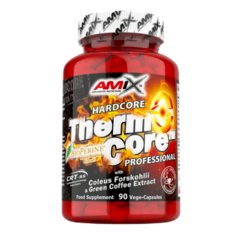
Amix ThermoCore 2.0
Sources:
https://www.ncbi.nlm.nih.gov/pmc/articles/PMC1323420/
https://www.ncbi.nlm.nih.gov/pubmed/15907263
https://www.ncbi.nlm.nih.gov/pubmed/17277604
https://www.ncbi.nlm.nih.gov/pubmed/10193874
https://www.ncbi.nlm.nih.gov/pubmed/9806313
https://www.sciencedirect.com/science/article/abs/pii/S019566639790091X
https://www.ncbi.nlm.nih.gov/pubmed/9626108
https://www.ncbi.nlm.nih.gov/pubmed/10805497
No posts have been made yet.








