There's no weight loss like weight loss: why it's important to understand visceral fat
 Author:
 Weight loss. A word we hear on every corner - in commercials, at the gym, on social media and in everyday conversation. Everyone talks about it, but few people really think about what we actually want to get out of our bodies when we lose weight, and what may actually be more important to our health than the number on the scale. One of the most talked about, yet crucial factors, is so-called visceral fat.
What does it mean to "lose weight"?
Most often, we think of weight loss as weight loss, that is, when the needle on the scale goes down. But losing weight does not automatically mean improved health or physique. It makes a difference whether a person loses fat, water or muscle. And it makes even more difference what kind of fat is disappearing - subcutaneous or visceral.
We can lose weight in different ways:
- water loss (e.g. dehydration, detoxes),
- loss of muscle mass (e.g. low protein intake and exercise),
- or by reducing fat (which is the goal of most people).
But even fat itself is not just one type - and here we get to the most important one.
Visceral fat vs. subcutaneous fat: what's the difference?
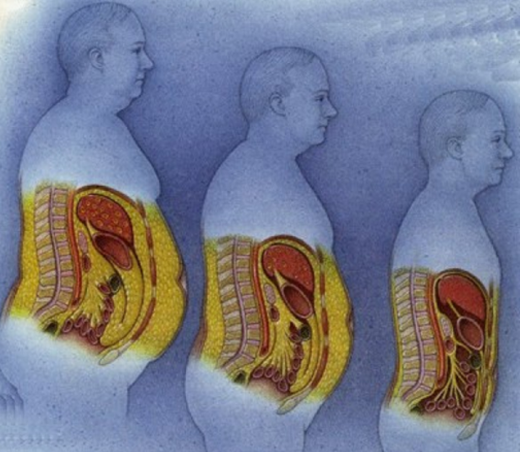
Subcutaneous fat is the fat we can see and feel - it's found under the skin, such as on the abdomen, thighs or arms. This fat can be an aesthetic problem, but it is not so dangerous from a health point of view unless there is an extreme amount of it.
Visceral fat, on the other hand, is stored deep in the abdominal cavity, around the internal organs - the liver, kidneys, pancreas and intestines. And it is this type of fat that is most associated with health risks.
Why is visceral fat dangerous?
Visceral fat is not just a passive energy store. On the contrary, it is metabolically active, which means that:
- it secretes inflammatory substances (cytokines),
- disrupts hormonal balance,
- increases insulin resistance,
- affects liver function and other organs.
It is directly linked to the development of civilization diseases such as:
- Type 2 diabetes,
- high blood pressure,
- cardiovascular disease,
- some cancers (especially colon cancer),
- non-alcoholic fatty liver disease (NAFLD),
- metabolic syndrome.
In layman's terms: the more visceral fat, the higher the risk of serious disease - even in people who do not appear obese on the outside.

How do I know if I have visceral fat?
The biggest tricky thing about visceral fat is that it is not visible. A person can be relatively thin, have a normal BMI and still carry a dangerous amount of visceral fat. This is technically known as TOFI (Thin Outside, Fat Inside).
Some indicators that may point to visceral fat are:
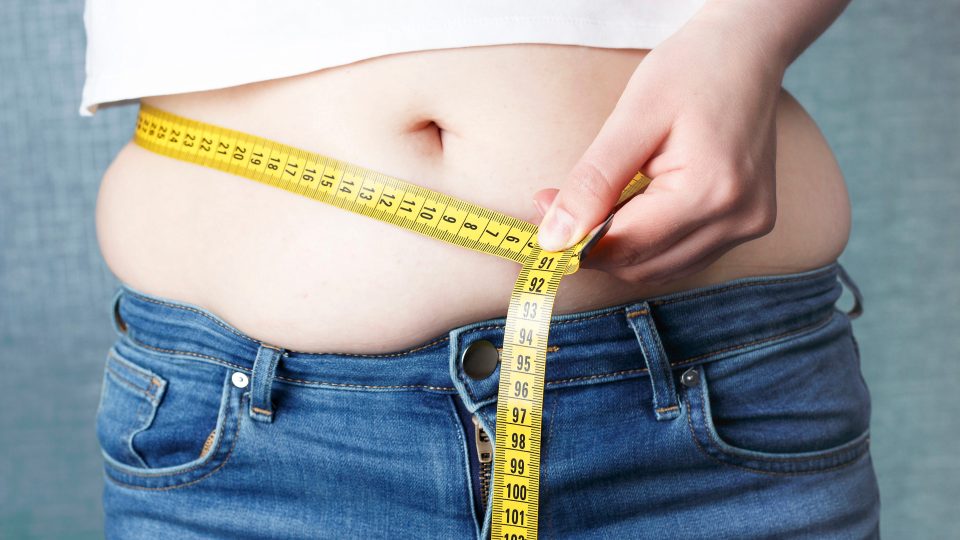
- Waist circumference: should not exceed 80 cm for women, 94 cm for men.
- Apple shape: fat is stored mainly in the abdomen.
- Body analysis results: some devices (e.g. InBody) can detect visceral fat.
- Laboratory tests: high triglyceride levels, elevated C-reactive protein (CRP), elevated glycaemia or LDL cholesterol may indicate its presence.
How is visceral fat formed?
Several factors are involved in the formation of visceral fat:
- Poor diet - especially excess sugars, alcohol and saturated fats,
- A sedentary lifestyle - lack of exercise significantly promotes its deposition,
- Chronic stress - increased cortisol contributes to fat deposition in the abdominal area,
- Lack of sleep - affects the hormone ghrelin and leptin, which regulate appetite,
- Hormonal imbalances - e.g. in menopausal women or men with low testosterone levels.
How to get rid of visceral fat?
The good news is that visceral fat responds to lifestyle changes quite quickly. It only takes a few weeks of a consistent regime and values can improve significantly.
What works best?
1. Movement - ideally a combination of strength and aerobic training
- Brisk walking, running, swimming, cycling - all help burn fat.
- Strength training promotes muscle mass formation, which speeds up metabolism.
- HIIT workouts (interval training) have a very good effect on visceral fat.
2. Diet modification
- Limit simple sugars, alcohol, industrially processed foods.
- Increase intake of protein, fiber and healthy fats (omega-3, avocado, olive oil).
- Regular regime - do not eat in the evening, do not overeat.
3. Stress reduction
-
Yoga, meditation, deep breathing, being in nature - all help to reduce cortisol levels.
4. Quality sleep
-
At least 7 hours a day, ideally in a dark and cool environment.
5. Don't overdo it with diets
- Extreme diets often lead to muscle loss and the subsequent yo-yo effect.
- A long-term solution is better than miraculous 10-day challenges.
Looking for a diet helper? Here are our tips:
Recommended
Amix ThermoCore 2.0
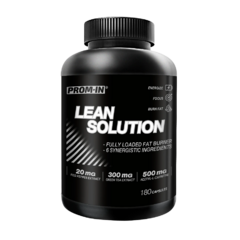
Prom-in Lean Solution
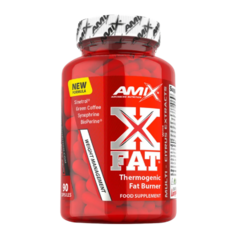
Amix XFat Thermogenic Fat Burner
Why is it important to measure more than just weight?
Weight alone is a very inaccurate indicator of health. A person may lose 5 pounds, but if he has lost mostly muscle and water, and visceral fat remains, he is in worse health than before.
Much better indicators than weight are:
- Waist circumference and waist/hip ratio,
- Body fat percentage (ideally measured bioimpedance),
- Blood glucose and lipid profile,
- Blood pressure and resting heart rate.
Conclusion.
When we talk about weight loss, we should ask: What exactly are we losing weight from? And what is the impact on our health? Visceral fat is a silent killer that doesn't hurt, yet quietly upsets the body's internal balance.
Getting rid of it doesn't require drastic changes - on the contrary, long-term sustainable lifestyle change is the key to success. If we focus not only on appearance, but more importantly on health, prevention and inner balance, our efforts to "lose weight" are truly meaningful.
No posts have been made yet.