





The scale is lying to your face! Are you losing fat or eating your own muscles?
 Author:
 When you're trying to lose weight, dropping a number on the scale is usually a reason to rejoice. But there's a catch: the regular scale won't tell you exactly what you're losing. Fat loss and muscle loss look exactly the same on the scale.
If you don't want to lose the hard-earned muscle and want to get your body to burn primarily fat stores, you need to focus on one key macronutrient: protein.
What the science says: The golden rule of 1.3 to 1.6 grams
A recent large-scale analysis that examined data from 47 different studies on thousands of adults in caloric deficit produced very clear numbers. It found that adequate protein intake plays an absolutely critical role in weight loss by protecting muscle tissue.
Where exactly do the boundaries of success and failure lie?
- Safe zone (1.3 - 1.6 g/kg): if your daily protein intake is between 1.3 and 1.6 grams per kilogram of your body weight, you are giving your body the ideal conditions to maintain muscle and favour fat burning. For an 80kg person, this means roughly 105 to 130 grams of protein per day.
- Risk zone (below 1.0 g/kg): researchers have found that once protein intake drops below 1 gram per kilogram of body weight per day, the risk of burning muscle mass along with fat increases significantly.
.jpg)
Why does the dieting body eat its own muscle?
The mechanism is quite simple. When you eat fewer calories than your body needs to maintain its current state (you are in a caloric deficit), your body starts looking for energy wherever it can. And unfortunately, muscle is on the menu.
But if you supply your body with enough protein, you provide it with the amino acids needed to maintain and repair tissues. This will make stored body fat a much more tempting target for it to tap into for energy than your muscles.
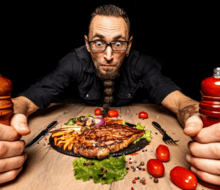
Protein protects muscles, training builds them
The study also showed one important thing: higher protein intake alone did not lead to meaningful improvements in muscle strength or physical function. This reminds us how diet and exercise work together. Protein rescues muscle tissue, but only strength training (lifting weights) is what gives muscles a reason to exist and get stronger.
How to put this into practice without stress
You don't have to meticulously write down every gram on spreadsheets. Just make a small change in how you think about food:<li </li
- <liBuild your meals around protein: don't try to catch up on protein at dinner. Make them the centerpiece of every meal.</li
- <li </liChoose your "anchors": find sources you enjoy and include those regularly. Great choices are Greek yogurt, cottage cheese, eggs, lean meats, fish or legumes.
- If you're struggling to meet your daily goal, don't be afraid to reach for a high-quality protein shake or a high-protein, low-sugar protein bar. These are great on-the-go solutions that will save you calories.
Losing weight shouldn't mean losing strength. Give your body what it needs and let your workout take care of the rest.
Recommended
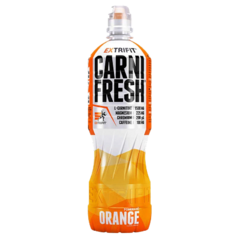
Extrifit Carnifresh
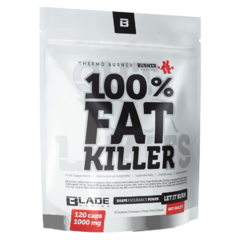
HiTec BS Blade 100% Fat killer
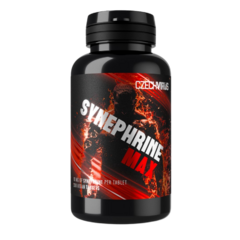
Czech Virus Synephrine MAX
Nutrend Carnitine 100000
No posts have been made yet.








