Ketogenic diet - preparation for ketosis
 Author: Šárka Randáčková
 Last week we quantified the positives of ketogenic diets. This eating regimen will help you fight off all sorts of diseases while making you incredibly sculpted. Surely, you already want to take the plunge. But first, make sure you're completely prepared.

Set your goals
Before you embark on a diet, it's essential to write down clear, measurable goals. The type of ketogenic diet you follow will clearly reflect whether you want to build muscle, shave, improve your blood count or prevent cancer. A ketogenic diet is any diet that forces your body to produce ketones. So be careful what nutrients you eat and be creative. The type of diet will vary according to your goals. You can read about this again in part one.
A few things to remember: More protein is better. However, excess protein increases the risk of gluconeogenesis, where your body makes glucose from protein. If this condition occurs, your body will produce fewer ketones, if any. On the other hand, you don't want to stick to a ketogenic diet with a 4:1 ratio for a long time because of your low protein intake.
Stick to a higher fat ratio or a relatively shorter diet duration (one month is good), and ketone production will be maximized. Do this a few times a year, and you'll become a ketogenic diet master. This article will help you with proper nutrient ratios, create a shopping list and time your meals here.
The table below shows the nutrient ratios for a 90 pound individual eating 3000 calories a day. Again, the ratio only accounts for fat and other nutrients, which are 80% protein and 20% carbohydrates.
|
Ratio of Fat and Protein + Carbohydrates |
Amount of fat in 3000 calories |
Amount of protein in 3000 calories |
Amount of carbohydrates in 3000 calories |
|
0,5:1 |
177 g fat |
282 g protein |
70,5 g carbohydrate |
|
1:1 |
230 g fat |
186 g protein |
46,5 g carbohydrate |
|
2:1 |
273 g fat |
108 g protein |
27 g carbohydrate |
|
3:1 |
290 g fat |
78 g protein |
19,5 g carbohydrate |
|
4:1 |
300 g fat |
60 g protein |
15 g carbohydrate |
Learn how to test ketone levels
This is without a doubt the most crucial part, especially during the first month. Testing your blood glucose and ketone levels is indispensable. This is the only way to know that you are truly in ketosis.
We have a machine to measure glucose and ketones. It's easy to order online. Don't forget the lancets for taking blood drops and the measuring papers.
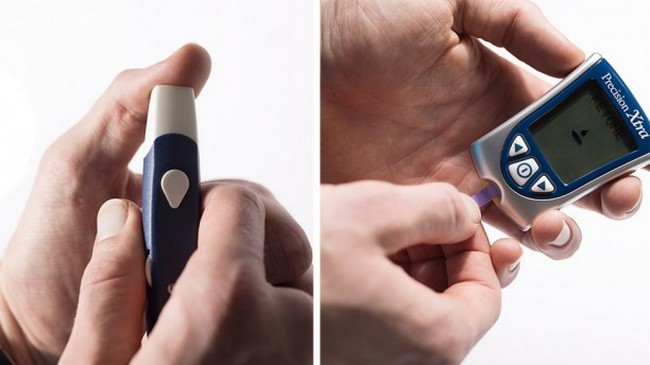
Measuring glucose and ketones gives you a detailed look at how your body responds to the timing and ratios of nutrients and how easily it forms ketones. Take the measurements upon waking, before the first meal of the day, to ensure you have a fasting glucose level. Close the day with another measurement, two hours after your last meal.
|
Range |
Blood glucose (mg/dL) |
Ketones (mmol/L) |
Glucose-Ketone Index (GKI)* |
|
Optimal |
<65 |
> 3,0 |
1,2 |
|
Excellent |
<80 |
>2,0 |
2,2 |
|
Good |
<90 |
>1,0 |
5 |
|
OK |
<100 |
>0,5 |
40 |
|
Improvement needed |
>100 |
<0,5 |
>40 |
Those who want to improve body condition should aim for ketone levels of at least 0.4 mmol/L and blood glucose levels below 80 mg/dL. Those who want to improve health should aim for ketone levels above 3.0 mmol/L and blood glucose levels below 60 mg/dL.
This is a good start. You can also measure your GKI - glucose ketone index. It's a useful number, expressing a simple ratio. To convert blood glucose from mg/dL to mmol/L, simply divide the mg/dL value by 18. Let's say you have a glucose of 65 mg/dL... divide that by 18 and you get 3.6, which is then divided by 3 (3.0 mmol/L of ketones). Your result is a GKI of 1.2, which is optimal for someone using a ketogenic diet to fight cancer or other metabolic therapy. Bodybuilders don't have to worry as much about GKI, and their value will be much higher due to different goals.
Regular fasting
Regular fasting is a diet scheme that cycles through phases with and without food. We're not going to kid ourselves, you're going to be hungry from time to time. It's good for you because it will fundamentally improve your body's ability to make ketones and keep your blood glucose low. When you fast, your body depletes its glucose stores and uses fat as fuel. Whether you are a bodybuilder or not, regular fasting is good for you.
If you combine it with a diet rich in fat, the results will be fantastic. Try fasting, 16-18 hours, and eating for only 6-8 hours. You'll sleep through half of that fasting time anyway, so it won't be a problem, right? Ketone production will be at an all-time high, and you'll be in deep ketosis. Bodybuilders should handle fasting as they see fit. Those using the ketogenic diet for therapeutic purposes should stick to shorter periods with food. The more you fast, the better you will be at creating ketones.
More experienced dieters will have an easier time of it, beginners won't like it so much. If you've had a very carbohydrate-rich diet (goodbye bulking) and you're following a ketogenic diet for the first time, getting into ketosis for you will mean about three days of fasting in the first week. Better plan it for the weekend so you don't eat your colleagues at work. See the table below. HOURS means the time of day you can eat.
|
DAY |
1 |
2 |
3 |
4 |
5 |
6 |
7 |
|
HOURS |
0 |
0 |
0 |
8 |
8 |
8 |
8 |
Stock up on fatty food
Your shopping cart is pretty crucial to your diet. You can buy loads of beef and chicken, but you need to balance it with plenty of fat. Below is a list of delicious, fatty foods. Remember, if you're after muscle, you want plenty of protein. If you are pursuing therapeutic goals, limit protein.
SHOPPING LIST
- DO NOT: Weight! Weighing is indispensable for proper nutrient ratios. If you don't use a scale, start. It costs a few pennies and will serve you well outside of dieting.
- 1) Beef
- 2) Spinach
- 3) Arugula
- 4) Broccoli
- 5) Asparagus
- 6) Cheese
- 7) Eggs
- 8) Chicken
- 9) Salmon
- 10) Fatty cream
- 11) Coconut oil
- 12) Coconut oil powder
- 13) MCT oil
- 14) MCT oil powder
- 15) Butter
- 16) Avocado
- 17) Cauliflower rice
- 18) Sweet and Sauerkraut
- 19) Carbohydrate-free dressings
- 20) Palm Oil / Olive Oil
- 21) Macadamia nuts
- 22) Pickles
- 23) Green cabbage (avoid yellow and red
- 24) Cauliflower
- 25) Turkey
- 26) Pork
- 27) Swiss chard
- 28) MUSH!
- 29) Low carb protein bars
Daily, objective measurement is an essential aid to ketogenic diets. So equip yourself with the tools, stock your pantry, and go at it with gusto.
Next week, we'll take you through the first week of the diet in detail and give you some tricks to keep your fat levels high and avoid the classic problems of ketogenic diets.
Author: Šárka Randáčková No posts have been made yet.