





Is a low-fat or low-carbohydrate diet better for burning fat?
 Author:
 "Dieters" have been trying to find an answer to this question for years, which is why we can find a billion contradictory articles on the internet on this topic. Especially before, the "low fat" or low-fat diet was a big hit. Today, on the other hand, it is very fashionable to eat low-carb - various paleo and keto diets, in short, so that the diet has as few carbohydrates as possible. But which strategy is more effective for burning fat?
During the last year, a large study took place involving 609 subjects who ate either a low-carb or low-fat diet for a year and compared their results. The exact ratio was 263 men and 346 women. At the same time, each was in good health, with an average BMI of 33 (first-degree obesity) and an age of around 40. It should be noted that all the participants in the study were followed up for a long time and the whole study was really sophisticated to avoid biasing the results.
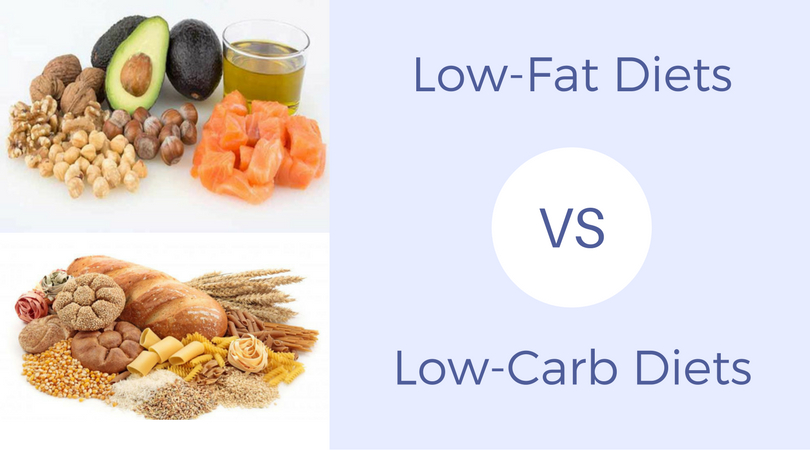
At the beginning of the study, each group was given specific information about their diet:
Low-carbohydrate: subjects in this group were instructed to consume only 20g of carbohydrates per day to meet the "standards" set for ketodiets. This is a really low amount, so they were instructed after two months that if they couldn't manage this amount, they could add carbohydrates to their diet.
Low-fat: subjects in this group were again instructed to consume only 20g of fat per day, and the same recommendation about increasing fat intake.
Another important piece of information is that the researchers did not give the subjects a specific number of calories to consume per day. The only instructions given to the participants were to increase their vegetable intake, limit their trans fat intake, skip refined sugars, focus on complex and wholesome foods that have undergone minimal processing, and eat mainly a diet that they prepare themselves.

During the third month of the trial, most subjects experienced an increase in their intake of severely restricted macronutrients:
Low carbohydrate: this group saw an increase in daily intake from 20g even to an average of 96g per day.
Low-fat: this observed group doubled their fat intake from the original 20g to an average of 42g.
So which strategy wins?
Despite this difference in the increase in intake of each macronutrient, the final results showed that it didn 't matter at all whether people focused more on their fat intake or their carbohydrate intake. On average, both groups consumed about the same amount of calories. Subjectively, some lost more fat than others, but overall, both groups lost about the same amount of fat.
Thus, differences were only apparent when looking at individual participants rather than the groups as a whole. Still, some "overall" differences were found. For example, the low-fat group experienced a greater decrease in "bad" cholesterol (LDL). And while the levels in the low-carbohydrate diet group were about the same, the ratio of increase in LDL to HDL levels was similar.

Another finding was that the group consuming the low-fat diet reduced their total saturated fat intake and, in contrast, significantly increased their fiber intake. Although the low-carbohydrate diet group did not increase their fiber intake, an overall reduction in the glycemic index of their diet was observed. Both groups experienced a reduction in total glycaemic load, with a more pronounced reduction in the 'low-carb' group.
This finding suggests that the critical factor for weight loss is not necessarily the intake of either of these nutrients, but the total amount of calories consumed and not forgetting protein intake. In terms of calorie intake, both groups consumed the same amount on average , with only the low carbohydrate group having an average protein intake 12g per day higher.
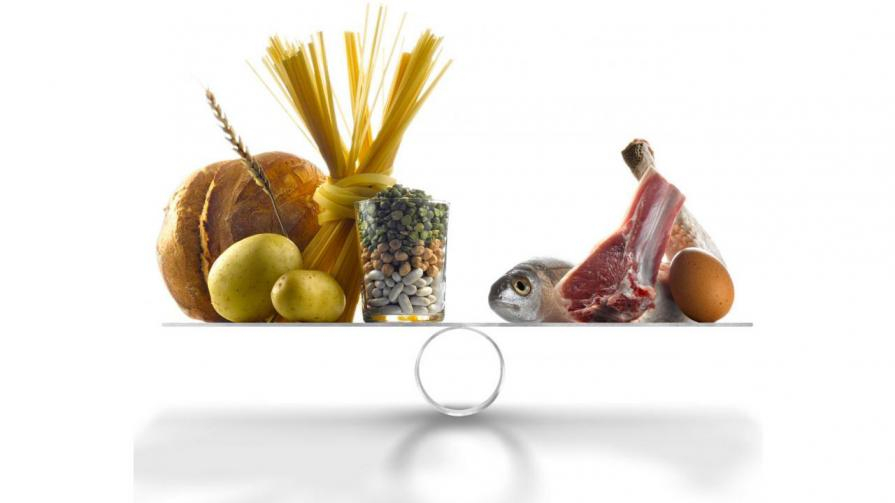
The results support the oft-stated hypothesis that neither option is clearly superior. We all have different bodies, different metabolisms, different requirements and different responses, so yes, low-carb may suit you, yes, low-fat may suit you. It's okay. But there is no universally applicable recommendation. So it means that more than individual macronutrient intake, it's the total daily intake that matters.
What do you actually take from this?
It depends on your total intake, how you feel, and the quality of the foods you eat. And whether you opt for a low-carbohydrate, low-fat, or balanced diet with all three macronutrients in a convenient ratio is not that important. The important thing is to know your body and know what works better for you. Some people need more carbs, others need more fat. So, when it comes to the macronutrient ratio, it depends more on your subjective feeling than on any generally applicable recommendation. A clear choice of strategy is therefore dependent on a perfect understanding of your body and how it works, which shows that it takes a bit more time than reading an article.
Sources:
https://jamanetwork.com/journals/jama/article-abstract/2673150
https://www.ncbi.nlm.nih.gov/pubmed/29466592
https://examine.com/nutrition/low-fat-vs-low-carb-for-weight-loss/
No posts have been made yet.








