





Embossing Program
 Author:
 How to proceed correctly when drawing
After months of hard training focused on building muscle mass, you want to shed as much fat as possible to reveal the results of your efforts. So the goal is to maximize fat loss and minimize muscle loss. Nothing easy.
The key to burning fat is gradual manipulation of nutrient intake, but you need to know how to do it. A sudden restriction of carbohydrates, for example, would lead more to stress and muscle loss, and you don't want that," so I've put together a three-phase sculpting program with a few basic rules.
1. Forget about counting calories
The caloric value of 1 gram of protein and 1 gram of carbohydrate is the same (4.2 kcal). However, I'm sure you're aware that calories from sweets won't behave the same way in your body as calories from sirloin steak, broccoli and sweet potatoes. Fats are roughly 9 kcal, but despite their higher caloric value, they may not be primarily stored as fat. What does this mean? That the important thing is to work with the right macronutrient ratios in the first place. Their caloric value is inferior, because with optimal nutrient intake you will still get optimal caloric value.
2. Eat only quality foods
Focus on good quality protein from lean beef, fish, poultry, eggs and some dairy. Good quality protein supplements are also very helpful.
Get your carbohydrates mainly from wholesome sources such as oatmeal, quinoa, sweet potatoes, natural rice, whole wheat rye bread, whole wheat rye and spelt pasta. Be sure to eat your vegetables. On the other hand, avoid foods containing white flour, sucrose (white sugar), fructose (fruit sugar), and dairy products high in lactose (milk sugar). If possible, limit fruit consumption and never consume fruit juices. Also beware of sports nutrition containing, for example, invert syrup, fructose syrup, palatinose, maltose and other forms of simple sugars. Now is the time for other supplements.
The fats you consume will be in what is known as the hidden form - they are contained in your protein sources such as eggs, beef, fatty marine fish and others. Supplement their intake by consuming smaller doses of seeds, nuts and appropriate types of oils (evening primrose oil, flaxseed oil, fish oil).
3. Eat at regular intervals
Every time you eat, you stimulate your metabolism. This is especially true for meals containing protein. Therefore, you should eat at least 5 - 6 times a day at 2-3 hour intervals. Each of your meals should contain a serving of quality protein, fiber, complex carbohydrates and fats. This will ensure optimal nutrient saturation and limit fluctuations in blood sugar levels.
4. Drink plenty of water
Drink at least 2.5 litres of fluid per day. Sufficient water consumption removes impurities and excess sodium from your body. Therefore, focus primarily on pure still water. You can also supplement your drinking regime with herbal teas and small amounts of mineral water. Do not consider coffee as a beverage, it is more of a stimulant supplement and a source of antioxidants.
If you are clear about the basic rules, it is possible to proceed to the aforementioned programme with three four-week phases. The first eight weeks should be enough to get you into beach shape and the first phase should be enough to maintain it. The last four weeks are for the final tweaking of your form.
Phase 1: Eat clean
It is important to strictly follow rule number two mentioned above. This will ensure a good intake of important macronutrients. Protein intake can be around 2.5 g per kilogram of body weight and should be divided into six portions. This is because regular protein consumption is necessary to optimise your metabolism. At this stage, it is advisable to include high-quality protein supplements based on whey protein processed using the CFM method.
When it comes to carbohydrates, you must choose your sources very carefully, ideally limiting yourself to complex carbohydrates. In the first phase, a value of around 4 g/1 kg is possible. In this phase, set fats at around 0.9 - 1 g/kg.
Phase 2: natural hormonal support
We are getting to the real reduction of fat stores. You've had four weeks where you're eating healthily, ideally you haven't lost a kilo in weight, and yet your physique is firmer. It's quite possible that the first phase may have even meant weight gain for you, while fat reduction may have occurred as well. Now it's time to optimize your metabolic environment.
Two of the important hormones involved in muscle growth and fat burning are insulin and glucagon. Both are produced in the pancreas and regulate carbohydrate and fat metabolism. If blood sugar levels rise - usually after eating carbohydrates - insulin is secreted. Glucagon has the opposite effect - it is secreted when blood sugar levels are low and activates the conversion of glycogen to glucose in the liver. This triggers fat burning because the body is not getting energy from carbohydrates, which are preferred as an energy source.
The ratios of the two hormones determine whether you are gaining fat or burning it instead. Therefore, by determining the right portions of protein and carbohydrates, we can regulate fat storage better than just reducing calorie intake. We can even break down fat with higher calorie intake, which you may have observed in the first phase. In addition, since caloric intake is not restricted, we can also build muscle mass.
Recommended
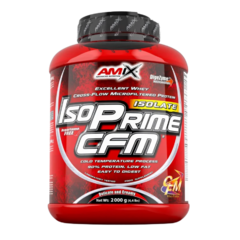
Amix Isoprime CFM
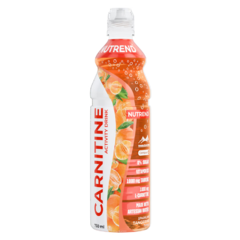
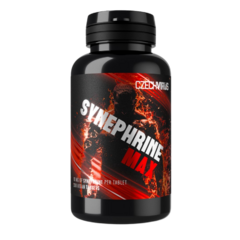
Czech Virus Synephrine MAX
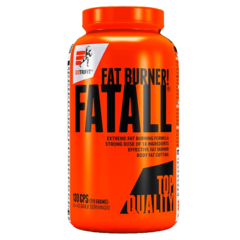
In the second phase, I suggest to keep the ratio of protein to carbohydrates around 1:1, while protein intake can be increased up to 3 g/kilogram. Fat intake is usually around 0.8 g/kilogram. It is now imperative that you consume only superfoods. I suggest eliminating any fruit, limiting dairy products to only high quality Greek or peasant yogurt. Protein sources remain the same. Carbohydrates will be provided by oatmeal, quinoa, natural rice, sweet potatoes and vegetables (lettuce, peppers, tomatoes, green beans, cauliflower, broccoli). As for fats, the oil of evening primrose, flaxseed oil and supplements based on omega 3 fatty acids are particularly suitable. It is also a good idea to include multivitamin-based supplements with minerals to replenish essential micronutrients.
Phase 3: Cycling carbohydrate intake
Your physique has probably taken on a whole new shape and you can hit the beach without fear. But you want more, you don't just want to look good. You want to inspire awe and admiration. To do this, you need to prevent the stagnation in fat burning that would come from continuing your current program without further intervention. That's why you need to engage in so-called carbohydrate waves or cycling.
You limit your carbohydrate intake (2 g/kg) and can slightly increase your protein intake. Fats should be kept to a minimum, yet should not fall below 0.6 g per kilogram of weight. You will do this for 3-4 consecutive days to prevent your metabolism from slowing down. On every fourth or fifth day you will then increase your carbohydrate intake to 4-5 g/kg. On these days you will also reduce your protein intake to a maximum of 2 g. By repeating this procedure, you are constantly stimulating your metabolism and you don't have to worry about your body going into a danger mode in which it tries to protect fat reserves. You can enjoy the resulting form that will be worth it...
Now follows an example of a diet, thanks to which you can imagine everything in real life. The plan is prepared for an athlete weighing 90 kg. If your weight deviates significantly from this, you will need to adjust your portions according to the recommendations above.
Breakfast:
- 4 whole eggs (ideally organic)
100 g oatmeal
50 g onions
1cps. 1 eggplant 1 tablespoon of egg whites
1 tbsp fish oil
- Protein - 38 g
- Carbohydrates - 64 g
- Fats - 30 g
Snack:
- 100 g turkey breast
3 slices of wholemeal rye bread
150 g cherry tomatoes
- Protein - 32 g
- Carbohydrates - 64 g
- Fats - 3 g
Lunch:
- 200 g lean beef
75 g natural rice
250 g broccoli
- Protein - 44 g
- Carbohydrates - 69 g
- Fats - 9 g
90 min before training:
- 30 g Hydro Optimal
30 min before training:
- 15 g Nitrox Pump
11 g BCAA Synergy
Immediately after training:
- 11 g BCAA Synergy
30 min after training:
- 40 g Lean Mass 25
50 g Hydro Optimal
10 g Pure Micellar - Protein - 90 g
- Carbohydrates - 44 g
- Fats - 5 g
Dinner:
- 200 g wild salmon
200 g sweet potatoes
200 g vegetable salad
10 ml linseed oil
10 ml balsamic vinegar
1 cps. of a complex multivitamin preparation with minerals
- Protein - 44 g
- Carbohydrates - 46 g
- Fats - 14 g
Second dinner:
- 50 g Pure Micellar
30 g walnuts
- Protein - 43g
- Carbohydrates - 9 g
- Fats - 19 g
Daily total:
- Protein - 291 g
- Carbohydrates - 296 g
- Fats - 79 g
- Kcal 3100
Support your performance with quality supplementation!
In our shop you can choose from a lot of proteins, gainers, amino acids(bcaa, glutamine, ...), vitamins and minerals, creatines,fat burners and much more. So don't hesitate and step it up a notch!
The article was written by Pavel Samek - Czech Champion in Classic Bodybuilding. He works as a personal trainer and nutrition consultant. Taken from Prom-in.cz
No posts have been made yet.








