





Super-slow training: you won't gain volume after it, but it still has its benefits
 Author:
 If you've been going to the gym for more than a few months, we probably don't have to explain to you that muscles tend to gradually adapt to the same exercise and while beginners grow even after light training, more experienced exercisers can still stagnate even with slightly modified training. The solution in this case may be to simply redo the whole training from the ground up. In our article today, we will therefore focus on super-slow training, where we will take you through this training style from start to finish and answer the question of whether it can bring any benefits.
Article Content:
- Super-slow reps are the new muscle stimulus
- Can super-slow training help you gain muscle?
- So super slow training isn't super?
- How to do super slow training in practice?
- What to take away from today's article?
Super slow reps are the new muscle stimulus
You come to the gym, do 4 exercises with 4 to 5 sets on your chest, 3 exercises with the same number of sets on your biceps, and go to the shower. Do you recognize yourself in this? While a workout like this can take easily more than two hours with honest breaks between sets, it has one major stumbling block. That is that the time your muscles are exposed to some real stress isn't actually that long at all. When we focus on the aforementioned biceps brachii, for example, just consider that one set performed at a standard pace takes a little less than a minute. It's just that out of that minute, each arm only works half the time. So if you spend 30 seconds on biceps training times 4 sets times 3 exercises, you'll get to 6 minutes of honest work. And let's face it, that's not that much, right?
This is where super-slow reps come in, which are actually only cool in that they explicitly assume that you'll be performing the exercise slowly. But don't confuse them with negative reps - because in their case, only the slow negative phase occurs. Super-slow reps count not only the slow negative phase, but also the slow lifting part. And because of this, you increase the time your muscles spend under tension quite substantially. But does that mean you'll gain new muscle?
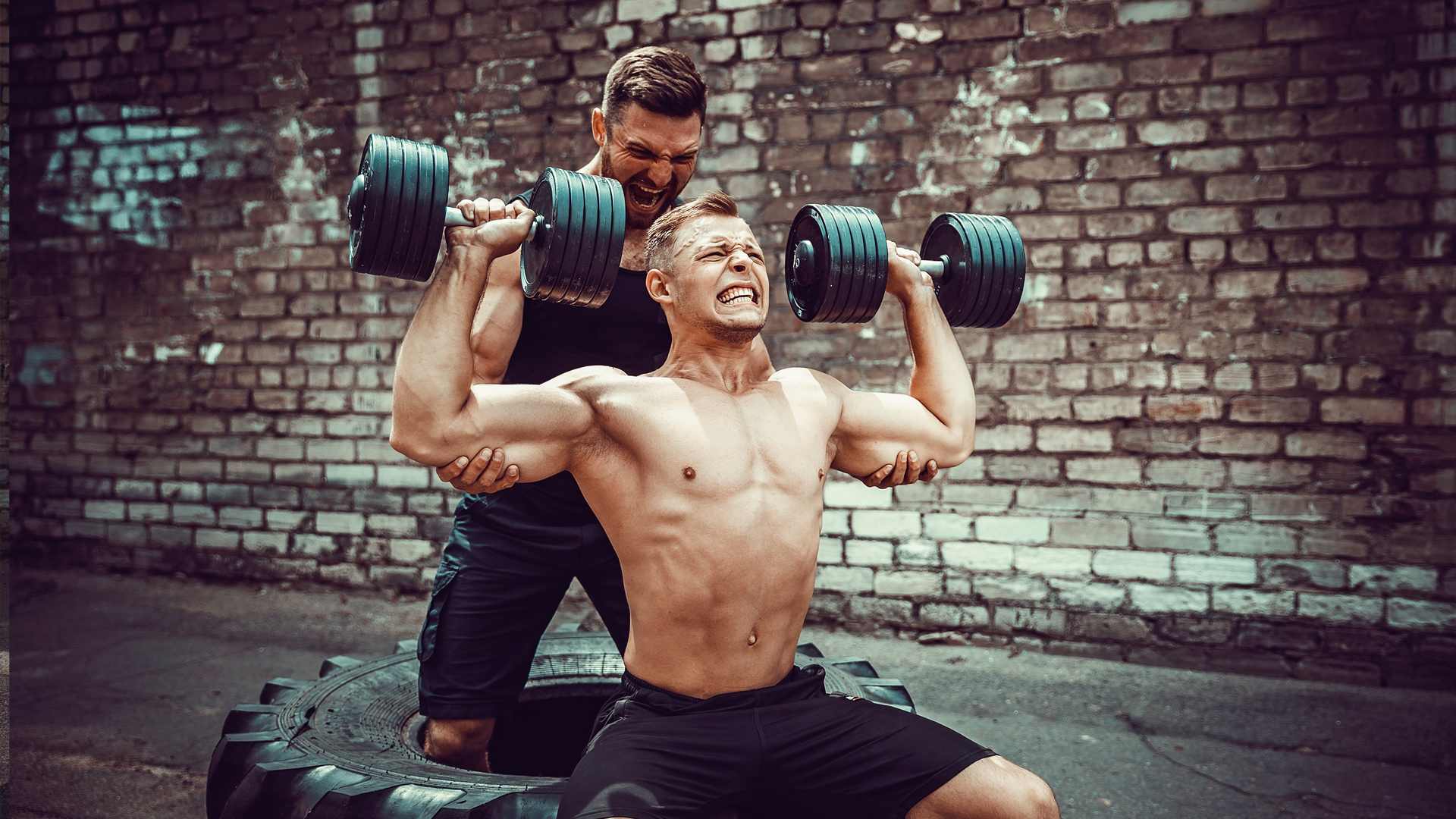
Simply put, super-slow training relies on your muscles spending more time under tension in all phases of the movement.
Can super-slow training make you gain muscle?
Generally speaking, if you ask any of the more experienced athletes whether negative reps are good for athletes, they'll quite possibly tell you without hesitation that they are. However, it's worth clarifying that the results of scientific studies are not nearly as conclusive. For example, the meta-analysis that Shoenfeld (2015) came up with showed that from a muscle hypertrophy perspective, unnecessarily long reps may even be worse. However, other studies have shown that eccentrically focused training led to slightly more muscle growth than concentrically focused training, but the differences were not significantly significant. So it's definitely not a good idea to take negative reps or super-slow training as some sort of miracle cure for stagnation. Still, there may be a number of reasons to potentially incorporate it into your training.
So super slow training isn't great?
While there is a need to be slightly skeptical when it comes to the effect on muscle hypertrophy itself, super-slow training can actually have three benefits that can make it a really good choice under specific conditions. These benefits are:
It can improve your technique
Probably the most interesting benefit that super-slow training brings is absolutely undeniably an improvement in your technique. This feature makes sense if only because when you perform an exercise slowly in all phases of the movement, you get used to the way the muscles are supposed to work in those moments and thus learn to engage them better than when you perform the movement quickly. In addition, if you choose the load appropriately and don't overestimate your strength, you eliminate opportunities for cheating and engage only the muscles you want to target in your training.
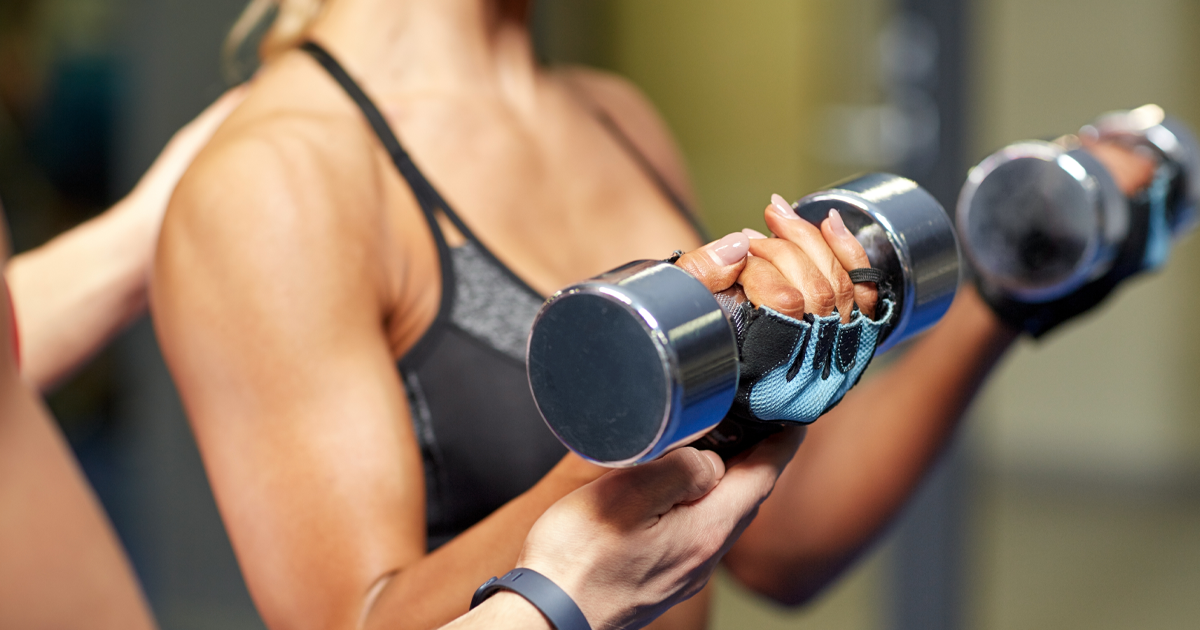
When it comes to improving technique, the benefits of super-slow reps are undeniable.
It makes training more fun
If you've been used to fast-paced workouts without any time limit for each set, incorporating super-slow workouts can be an interesting change that will make the workout more fun again. And if you shorten your breaks a bit, you may not notice it at all in the overall length of your workout.
Reduces the chances of injury
The last quite logical benefit then is a lower chance of injury, which mainly stems from the fact that if you plan to double the time the muscles are under tension, you will have to lessen the load. And less load, in short, means less strain on joints, tendons, and ligaments. If you're primarily focusing on strength performances for fewer reps, your nervous system will also get a rest during super-slow training.
How to do super slow training in practice?
Unlike many other popular methods, super-slow training is not subject to any centrally set rules that you have to follow. So it's entirely up to you how you set the number of exercises, sets and reps and, most importantly, how much time you spend in which phase of the movement. The general rule of thumb, of course, is that the longer you plan your time under tension, the less weight you should choose, or you may have to reduce the number of reps. We would recommend starting at 3 seconds of the positive phase of the exercise and 3 seconds of the negative phase, and you can perform between 8 and 12 reps in each set. For heavy exercises performed more for strength (such as squats, deadlifts or benchpress), you can reduce the number of reps to 6 to 8 and increase the time in each phase to perhaps 5 seconds. Of course, if something doesn't work for you in this set-up, you can adjust the time to suit your own needs.
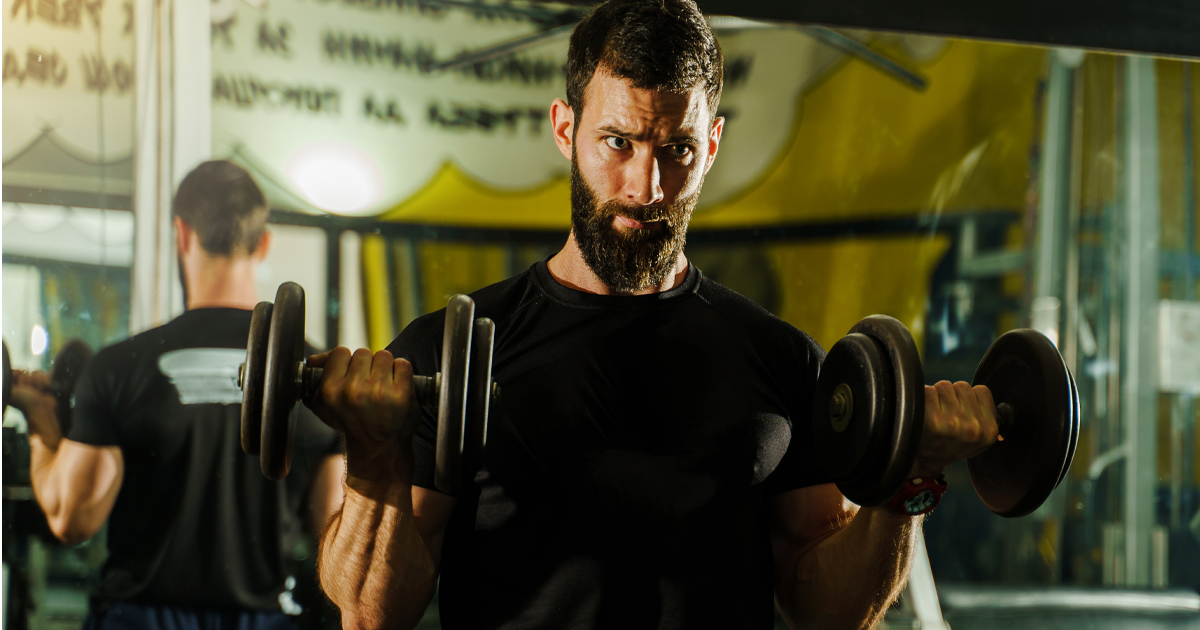
What can you take away from today's article?
The main thing you should take away from today's article is that super-slow reps can be an interesting modification to your already existing training, although it's not good to have exaggerated expectations about muscle hypertrophy. Still, it is something that can spice up your training, find your weaknesses in the technical execution of the exercises, and furthermore reduce your chances of injury. And that's worth a try, don't you think?
Recommended
Czech Virus Odorless Garlic 1500
Nebbia FIT & SMART cyklistické šortky FIT 575
Beauty Booster 100cps 1+1
Nebbia 3/4 sportovní legíny s vysokým pasem 406
No posts have been made yet.








