





Stiff back from sitting? Try a treadmill
 Author:
 You know how it is. It’s only half past two in the afternoon, but your body already feels like it’s fused to your office chair. Your back is stiff, your neck feels uncomfortably tight, and your most strenuous physical activity today has been the trip to the break room for another cup of coffee. Maybe you’ve already come across people on social media who confidently walk on a treadmill while working, and you just sighed:
“I’m just not cut out for this—I’d just end up sweating and not getting anything done.”
But here’s one huge reassurance: An under-desk treadmill isn’t meant for breaking step records or replacing a tough gym workout.
It’s just a perfectly ordinary, smart tool to break up that endless sitting and get some fresh blood flowing to your stiff muscles and tired brain. No sweat, no stress. You just have to go about it the right way.
Article Contents:
- The Biggest Mistake? Thinking You Have to “Work Hard” at It
- A Relaxed 20-Minute Routine (You Really Don’t Need Anything More)
- When’s the best time to hop on the treadmill?
- A Few Tips to Help You Feel Good
- Your First Month (Absolutely No Guilt)
The biggest misconception? Thinking you have to “work hard” at it
When you turn on the treadmill for the first time, your instinct might tell you to set the speed to that of a brisk walk through the city. And on top of that, you’re trying to reply to a long, complicated email. The result is immediate—typos, shoulders tensed up to keep your hands on the desk, and pure frustration.
The secret to success is this: Slow down drastically.
It’s a very slight movement, almost imperceptible to the eye. Your hands should rest completely still on the keyboard, and you should be able to speak fluently on the phone without holding your breath.
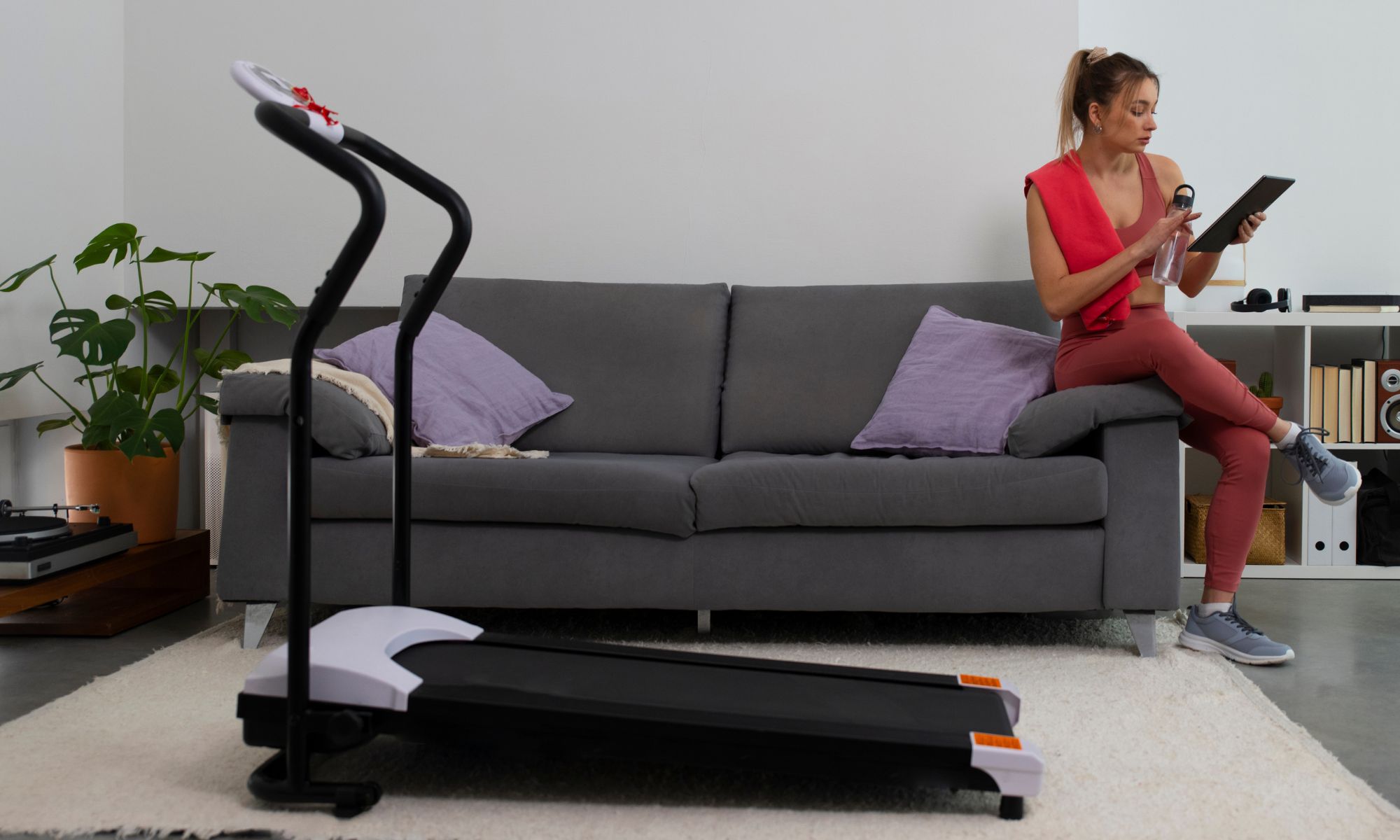
A Relaxing 20-Minute Routine (That’s Really All You Need)
To start, it’s enough to set aside just 20 minutes a day. Really. Don’t think of it as exercise; just think of it as a “break to stretch a little without closing your computer.” Try this simple format:
| Phase (minutes) | What to Do at What Pace | How to Feel and What to Think About |
|---|---|---|
| 0–5 (Warm-up) | Set the treadmill to the absolute minimum speed. | Don’t try to get right to work. Clear your desk, relax your shoulders, and just ease into it by reading the news. |
| 5–15 (Calm Work) | Keep the speed the same or increase it slightly (it must still be 100% comfortable). | This is the ideal time to catch up on emails, read documents, or listen in on a low-key meeting. |
| 15–20 (Coast) | Slow down to the minimum speed again. | Slowly catch your breath, check that you’re not slouching, and turn off the treadmill when you’re ready. |

You've just done more for your back than you would have if you'd sat there for another hour. And you didn't even get out of breath.
When’s the best time to get on the treadmill?
Don’t worry about whether some guidebook says it’s better to walk in the morning or in the evening. Just do what feels right for you and combine walking with those moments when you start to feel tired from sitting.
- Post-lunch rescue: You know that awful slump around 2 p.m.? Instead of a third cup of coffee and fighting off sleep, take a 20-minute leisurely walk. Light exercise after a meal beautifully balances your blood sugar levels and clears that unpleasant afternoon brain fog.
- Morning Routine: As soon as you turn on your computer, spend the first 15 minutes standing and walking slowly while you sort through your tasks for the day and drink some tea. You’ll feel great right from the start of your workday.
A few tips to help you feel good
- Wear comfortable shoes: Don’t try to be a hero and walk around in socks for the first few weeks (especially on hard floors). Your feet and Achilles tendons aren’t used to that kind of strain, and your feet will end up hurting unnecessarily. Clean, soft sneakers are the key to comfort.
- Don’t stress over complicated tasks: The treadmill is great for handling routine tasks. But if you need to create a complex Excel spreadsheet, draft an important contract, or fine-tune graphics, feel free to turn off the treadmill and sit down. Sometimes, a tired mind simply needs the body to be completely at rest.
- Raise your monitor: When walking (or even standing), you’re slightly taller than usual in sneakers. Don’t forget to raise your screen so that its top edge is at eye level. Otherwise, you’ll start subconsciously slouching and looking down, which won’t do your neck any favors.
Your First Month (No Guilt at All)
Forget about motivational quotes and challenges like “10,000 steps at your desk starting tomorrow.” Your body needs to get used to this new way of working.
- First week: Do your little 20-minute session just three times a week. Just test the waters and get used to how high your desk needs to be.
- Week 2: Try doing it four times. Notice if you happen to have a little more energy and be in a better mood in the afternoon.
- Weeks 3 and 4: If your feet don’t hurt and this routine is doing you good, you can try adding a second, shorter session in the afternoon.
The treadmill under your desk isn’t some dictator forcing you to perform. It’s a great helper that’ll keep you from feeling so worn out in the afternoon. Take it easy, don’t rush, and you’ll see that you’ll actually start looking forward to your little daily “work walk.”
Recommended

Nebbia Teplákové šortky HERO 295

Reflex Nexgen Pro

Czech Virus Nitro Virus V2.0
Prom-in Health Balance 2.0
No posts have been made yet.








