





Running shoes are robbing you of strength at the gym! Ditch them and start lifting properly...
 Author:
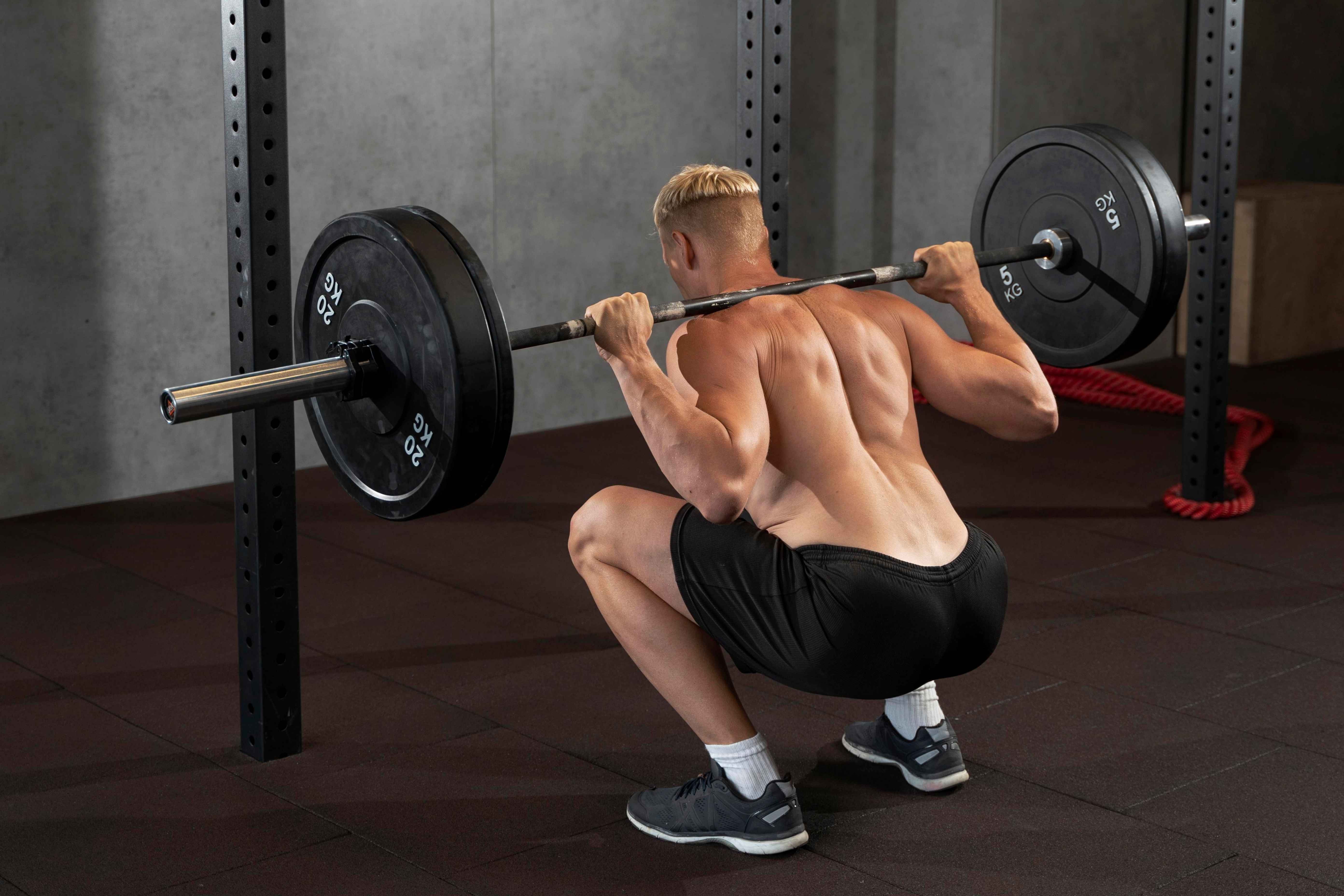
 Take a look around your gym sometime. You’re surely familiar with this scene. A motivated guy loads his max squat weight onto the bar, tightens his belt securely, and puts on a focused expression—but as soon as he steps away from the rack, something’s off. His legs are shaking, and his ankles are caving in to the sides. Why? Because he’s standing on air cushions. If you’re doing heavy leg or back exercises in soft running shoes, you’re voluntarily robbing yourself of strength and setting yourself up for injury.
Running shoes are a technological marvel—for runners. They’re designed to absorb impact. When your heel hits the pavement, a thick layer of special foam absorbs the shock so your knees don’t take the brunt of it. But what’s an advantage on the track becomes your greatest weakness when you’re carrying weight.
You can’t fool physics: The Sponge Effect
From a biomechanical standpoint, lifting heavy weights is really just about force transfer. You push against the floor, and the floor pushes back against you, which allows you to lift the barbell.
But imagine placing a thick sponge between your foot and the hard ground. What happens when you push down on it with maximum force? The sponge compresses at first. Only when it’s completely compressed do you actually start exerting force against a fixed point. It’s the same with cushioned shoes. A huge amount of your explosive energy is literally lost in the soft sole. Instead of sending that energy directly into the axis, you’re wasting it on deforming the shoe.

Instability That Will Ruin You
In addition to loss of power, there’s another, far more dangerous factor—stability. Under heavy load, the soft heel of the shoe behaves unpredictably. Your weight can shift to your toes or heels, your ankles will start to cave inward (a condition known as pronation), and this instability immediately cascades upward through your knees to your hips and lower back. What’s more, your body instinctively senses that you’re not standing on a firm surface, and your nervous system simply won’t “let you” perform at your maximum capacity.
So, what should you train on?
If you want to get the most out of your workout, you need traction and firmness. Here are three options:
- Weightlifting shoes: They have an uncompromisingly stiff sole and a raised heel. They’ll improve your ankle mobility and help you squat deeper with a straighter back.
- Shoes with a flat, stiff sole: Good old Converse, Vans, or so-called “barefoot” shoes. The sole is flat and stiff, and your foot has room to move inside them. A great choice for deadlifts.
- Barefoot (in socks): If your gym’s rules allow it, taking off your shoes will teach you how to properly distribute your weight across your entire foot and how to “grip” the floor with your toes.
Save your running shoes for the treadmill. When lifting weights, you need to keep your feet firmly planted on the ground.
Recommended
Nebbia Vyztužená sportovní podprsenka SIGNATURE 472
Thermogel 80g 5+1
Nebbia Crop mikina GYM SPIRIT 483
No posts have been made yet.








