





How to build muscle after forty?
 Author:
 New muscle mass is harder to gain as you get older. However, this is no reason to resign and make excuses, nowhere is it written that you can't be in much better shape than you were twenty years ago! Want to know how to do everything right? In the article you will read some advice on how to train and eat if you have already crossed the threshold of forty.
Article content:
Training tips
1) Warm up thoroughly before training
Were you used to coming to the gym and immediately hitting the heavy weights? That should be over if you value your own health and don't want to get injured. The ideal way to start your workout is with cardio (about 10 minutes) - walking on a treadmill, orbiter, bike, etc., which will help warm up and get the blood flowing through your body. Warm-up series with a higher number of repetitions and lower weight will in turn prepare the joints and ligaments for the load.
2) Alternate heavy strength training with moderate
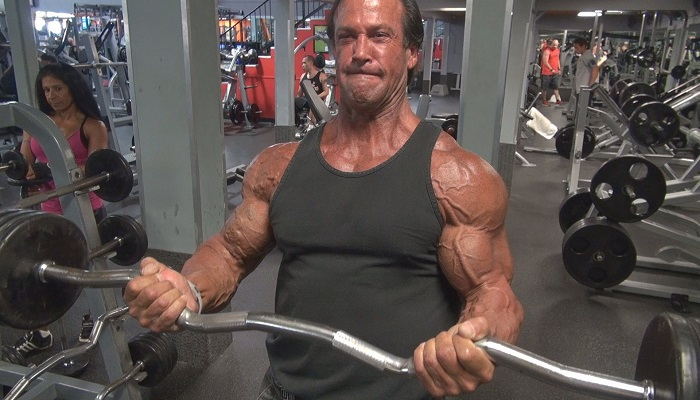
Heavy weights put a lot of pressure on joints and ligaments. Crushing the body with brutal weights every time you train at the expense of technique is not the way to go. Try interspersing heavy workouts with moderate ones - choose weights so that you can do 8-12 reps with them (for upper body exercises) and 12-20 (for lower body exercises).
As for frequency of workouts, 3-4 per week is ideal.
3) Don't just focus on the scales
Maybe you've been used to chasing heavier weights all the time, and now you feel like something is wrong because you haven't improved in a while. Don't lose your mind, it's not all about the pounds lifted.
Remember what the legendary professional bodybuilder Lee Haney says: "Stimulate the muscles, but don't destroy them."
4) Pay attention to recovery and don't ignore the body's warning signs
The older you get, the more time you need for recovery. Muscle aches may last longer, but that doesn't mean that your lounging on the couch should take that much longer. On the contrary, light physical activity is very beneficial and will only lead to better recovery. So go for a walk with your family, your dog or simply on your own, ideally in the countryside. We have already written a lot about the need for good and sufficient sleep. You can also go to the sauna or get a massage as part of your regeneration.
Do not take the body's warning signs lightly. Whether it is tendon pain, permanent fatigue or night sweats. Your body is usually trying to let you know that it's time to slow down. Better to take a week off from exercise than to end up overtraining and injuring yourself, which will put you out of training for a much longer period of time.
5) Incorporate cardio training
Cardio is key for individuals over 40 for two reasons. The first is that it slows metabolism and fat storage. With regular cardio training, you will have your body fat under control more easily. The second reason is that the most important muscle is the heart. Cardio training strengthens the heart, increases heart rate, improves blood circulation and lowers blood pressure.
6) Don't forget to stretch
Stretching will increase your flexibility, keep your muscles and tendons flexible and prevent imbalances caused by muscle shortening. Stretching reduces muscle tension and has an effect on the overall relaxation of the body and mind.
You can include dynamic stretching before the workout to prepare your body for the exercise and warm up your muscles. Static stretching is suitable after the workout.
You should never feel pain when stretching, only tightness, always stretch the muscle when it is warm.
Nutrition tips
1) Eat enough protein
Ideally take in around 2.2g of protein per kg of body weight. As you probably already know, you need protein to maintain and grow muscle mass. But their function doesn't end there, they are involved in tissue regeneration, proper functioning of the immune system and hormones and other processes. In particular, choose complete proteins with a full spectrum of amino acids (meat, fish, eggs, Greek yogurt,...).
2) Watch your vitamin and mineral intake
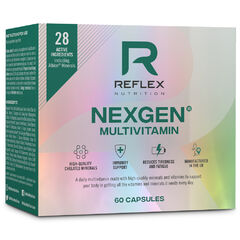
Try to keep your diet varied - don't just eat chicken and rice over and over again. Rotate different types of proteins, side dishes, vegetables and fruits, and don't forget healthy fats. You can also reach for a good quality multivitamin such as Nexgen Pro.
3) Omega-3 fatty acids
Omega-3 fatty acids are essential for health and should definitely not be missing from your diet. The human body cannot make them on its own, so they must be taken in the diet. They are anti-inflammatory, increase HDL (good) cholesterol, reduce the risk of myocardial infarction, may improve risk factors for cardiovascular disease, help keep bones and joints healthy, and much more.
They are found mainly in fatty marine fish such as sardines, mackerel and salmon (especially wild). If you're not a fan of fish, you can get omega-3s in capsules.
4) Consider getting a joint supplement
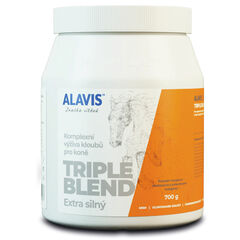
Joints, like the rest of the body, age. Plus, when you've been playing sports and putting a lot of strain on them for years, it starts to show over time. It's a good idea to use joint nutrition as a preventative measure to keep your joints, tendons and ligaments healthy and minimize the risk of damaging them in the future. Hardier individuals can reach for the old familiar Alavis of poor taste, others can try the cherry Geloren, or our joint nutrition Kulturistika.com New 100% Joint Protect.
Forty is the turning point age at which we should stop paying attention to our appearance, but also focus on our health. Many of us at this age already have families, mortgages or high status jobs and priorities have shifted away from the "sixpack" and squat max. But that doesn't mean we should stop taking care of ourselves, our health and fitness.
Recommended

[Image and information sources: bodybuilding.com, menshealth.com, healthline.com, medicago.org, yourviewsite.com, fitnesshealth101.com]
No posts have been made yet.








