





Hardgainers, Genetic Monsters and You - Part 1
 Author: Šárka Randáčková
 Hardgainers and genetic monsters
There are 7 basic somatotypes. A hardgainer is someone who genetically doesn't build muscle easily. A genetic monster is the opposite. Such a person builds muscle with seemingly minimal effort.
Hardgainers definitely exist, but the term is overused. Everyone has a different genetic disposition for building muscle, but a true hardgainer is more of a rarity. The reality is that lack of improvement is usually due to factors other than genetic predisposition.
Let's take a look at those factors. But first, let's define a true hardgainer and see how many really exist.
7 Somatotypes
The Bell Curve identifies 7 basic somatotypes.
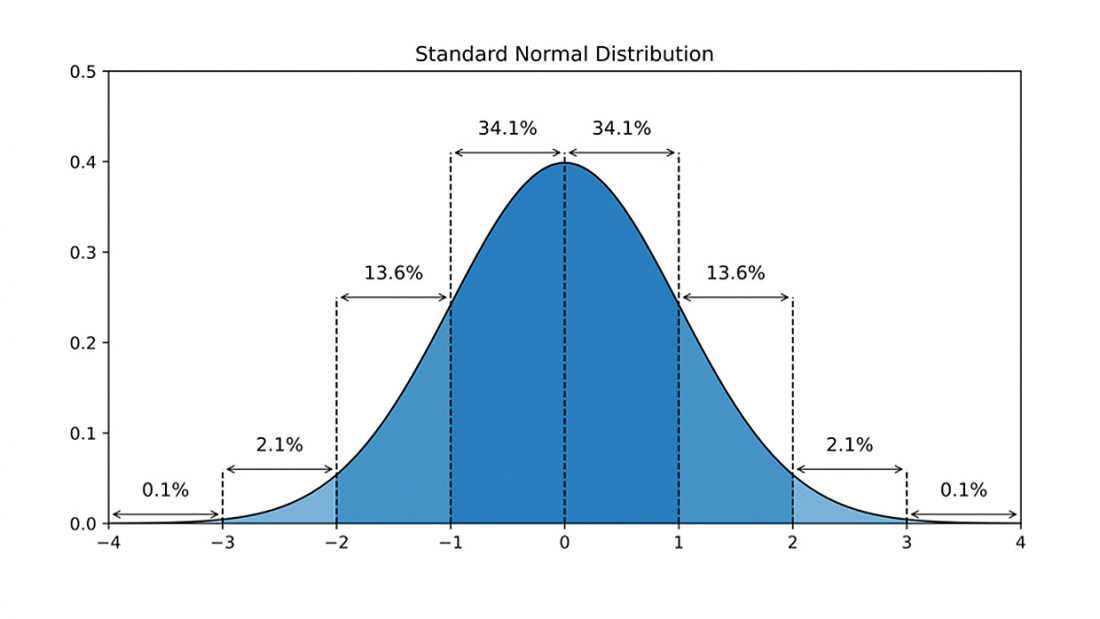
1. No response.
This person does everything right (naturally), but the muscular response is negligible. It is an extreme rarity, about 0.1% of the population.
2. Extremely low response.
They can recruit a very small amount of muscle, and extremely slowly. There aren't many people like this either, roughly 2.1% of the population. They put on maybe 2-4 pounds of muscle in their entire career. Women even less (1.5-3 kg).
3. Low response.
This type ends the hardgainer category. Again, they build muscle extremely slowly and with it comes a fair amount of fat. This is the most common hardgainer, roughly 13.6% of the population. They will put on 5-9 pounds of muscle over their entire career. For women, it'll be 3-5 kg.
4. Normal response.
That's probably where YOU belong. This is about 70% of the population. Growth potential will vary across the group, but with good training, diet and rest they can put on quite a bit of muscle. Men can hope for 9-16 kg of muscle in a career, women can hope for 5-8 kg.
5. Easy gainer.
This group can put on 15-20% more muscle in a career, or 2-4 kg more than the normal response group. They also build them faster. This is 13.6% of the population and the amount of muscle is 14-20 kg for men and 7-10 kg for women.

6. Very easy gainer.
Such a person often looks muscular even before they start training. Once they start, they respond very quickly and gain 10% more muscle. The total potential is roughly 15-22 kg of muscle for men and 8-11 kg for women.
7. Genetic Monster.
These people are muscular and strong (often explosive) before they ever set foot in a gym. These are the real naturals who look like they're bulking up. Unfortunately, it's only about 0.1% of the population, which means most of those infuencers claiming they just have good genetics are lying.
Comment: Those amounts of muscle gained may seem low, but understand that I'm not talking about body weight. Every kilo of muscle brings with it 0.25 to 0.5 kg of something else, without necessarily being subcutaneous fat. Gaining 14 kilos of muscle will usually mean you'll be 17-20 kilos heavier on the scale.

What makes people easy and hard gainers?
Sorted by importance:
1. ACTN3 genotype
We won't go into this too much, but we have two pure ACTN3 genotypes. There are also mixed types. This plays a key role in the potential for muscle building:
- The ratio of fast and slow muscle fibers. More fast means more muscle and strength.
- Level of mTOR activation. The more you can activate it after workouts and meals, the more your protein synthesis levels will increase.
- Repair of muscle damage. The slower it is, the less you can train and the harder it is to build new muscle tissue.
The ACTN3 RR type has more fast muscle fibers, more mTOR activation, and faster muscle tissue repair. All of these factors are in favor of muscle growth.
The other type has everything the other way around. However, these people tend to have naturally higher VO2 max values and greater resistance to muscle fatigue.
Recommended

Nebbia Tvarující šortky s V-shaped pasem STRONG BEAUTY 428
New 100% Whey Protein 800g 1+1

Nebbia Deni x NEBBIA Sportovní tank top 309
2. Myostatin leaching
I'm sure you've seen pictures of bulls that look like bodybuilders. It's not an experiment with monumental doses of steroids. It's a species of cattle that's born without the ability to make myostatin.
Myostatin is a protein secreted by muscles that limits how much muscle we can stick on. The closer you get to your genetic potential, the more myostatin will hold you back.
Some people have naturally high levels of it, which limits them from building muscle. People with low levels build muscle faster and more readily. However, they are also at greater risk of tearing them.
3. Natural anabolic hormone levels and receptor sensitivity
While IGF-1, testosterone and growth hormone levels can be affected by multiple factors (diet, stress, sleep, etc.), some people are born with higher levels and more sensitive receptors. When it comes to muscle potential, IGF-1 is the most important.

6 Factors limiting growth (excluding genetics)
A lot of people believe they are hardgainers, but the reality is that most of the time they simply don't do everything optimally or are under tremendous stress. If any of the factors below are also your problem, you can easily change that.
1. Lack of diet
Unless you're a beginner, forget about building muscle in a calorie deficit. You can build some strength through neurological improvement, but muscle pretty hard. Many people ruin their improvement by trying to stride and gain at the same time.
The further left you are on the Bell curve, the less likely you are to grow muscle without a proper caloric surplus. Monsters can build muscle and lose fat at the same time, but hardgainers need a decent caloric surplus.
Why? A caloric surplus - especially from carbs - will increase levels of, mTOR, IGF-1, insulin and testosterone, which will make your body more anabolic. The less naturally anabolic you are, the more you need this dietary support. High carbohydrate intake also typically lowers cortisol levels, which reduces muscle breakdown as well as myostatin production.
The further left you are on the Bell Curve, the more you have to accept that muscle gains will be accompanied by a little fat.
2. Protein deficiency
A monstrous protein intake won't give you more muscle, but insufficient intake will definitely make it harder to gain muscle. A goal of 2 grams per kilo of body weight is a decent one. It may be a little high, but protein can't be completely stored as fat, so higher intake isn't a major problem.
Most people having trouble gaining weight need to look at their diet and add one or two protein drinks a day.

3. Lack of sleep
If you don't get enough sleep, it will be significantly more difficult for you to achieve your appearance goals. Here is a brief recap of the consequences of short-term sleep deprivation.
- Reduced glucose tolerance. You will more easily store sugars as fat.
- Activation of the sympathetic nervous system. This leads to higher levels of adrenaline (which can lead to burnout) and cortisol (which limits muscle building).
- Reduced leptin levels. This will lead to a higher urge to eat unhealthy things and can slow down metabolism.
- Increased inflammation of the body. This is bad for health and all bodily functions, including muscle building.
- Higher risk of insulin resistance. This is bad for muscle building and weight loss because it makes it harder to break down nutrients.
- Increased risk of developing cardiovascular disease.
And these are just physiological indicators. Cognitive functions such as concentration, complex task solving and motivation are also affected. People who sleep short are also more likely to develop depression.
If you are unable to bulk up or slim down, sleep is one of the first areas you should focus on.
The second part will be dedicated to other factors limiting growth, such as training and stress, or what to do if you are a true hardgainer.
Source: www.t-nation.com - The 7 Types of Muscle Gainers
Author.
Author: Šárka Randáčková No posts have been made yet.








