





Do I really develop a hernia when I lift heavy weights? Hernia and exercise
 Author:
 Although hernia comes to mind for most of us in the context of lifting heavy objects combined with less than ideal technique, it's still a bit of a taboo in the fitness community. So in our article today, we'd like to set the record straight on the most common hernia-related misconceptions, tell you how to effectively prevent it, and how heavy weights may not play as big a role in hernia formation as one might think.
Article content:
- What is a hernia and what types are there?
- I only get a hernia if I lift heavy weights!
- How to prevent a hernia?
- How to get rid of it? What about exercise?
- What to take away from today's article?
What is a hernia and what types are there?
In very simplistic terms, a hernia refers to a peritoneal defect or tear. Once you exert some unexpected pressure, a so-called hernia gate is formed at the critical point, into which the abdominal cavity and the various organs slide. The hernia itself is particularly noticeable when standing and exerting oneself, and although it is usually not painful in itself, if the problem is ignored for a long time, the lump may enlarge and intense pain may also occur. Although we most often speak of an abdominal hernia, it can occur in several parts of the body and is distinguished by its location:
Inguinal hernia
Inguinal hernia is the most common type of hernia and, as the name suggests, it arises in the inguinal canal. The bulge can be palpated mainly when standing, while lying down it usually disappears suddenly. Apart from congenital predispositions, the most common factors influencing the formation are advanced age or extreme physical activity. If you develop a burning groin after a strenuous workout with subsequent dislocation, you should beware.
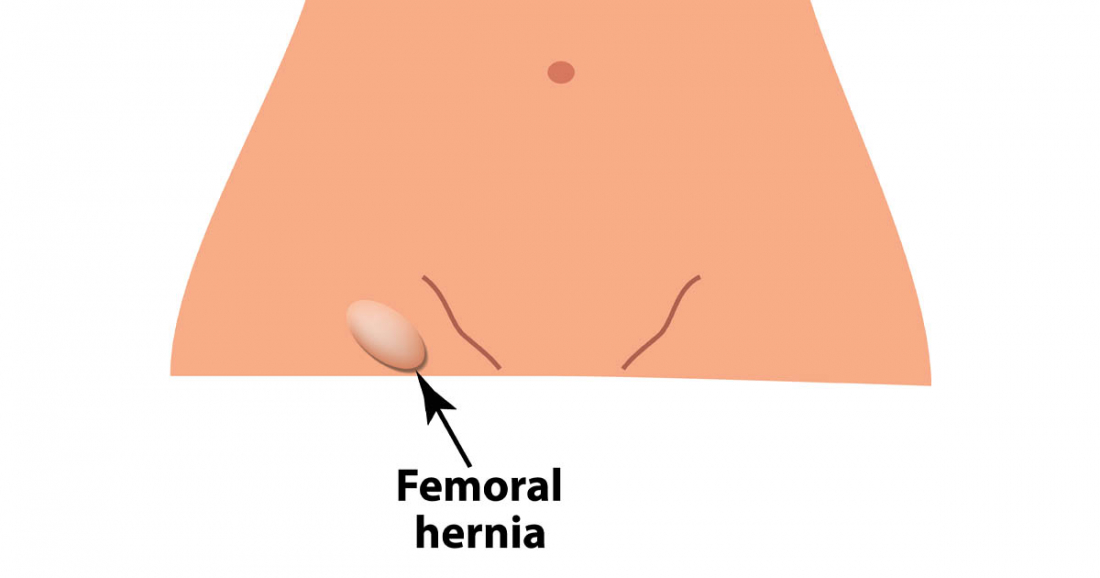
Inguinal hernias are the most common and if you have a genetic predisposition to them, they can flare up even after a sporting event.
Umbilical hernia
Umbilical hernia is the second most common hernia and accounts for about 10% of all cases. This is mainly due to the fact that the umbilical area, where the umbilical cord passes through after birth, is naturally weakened and so a hernia tends to form there. This type of hernia can be quite painful with any kind of exertion. Although it is mostly men who have problems with hernia, the risk factor for umbilical hernia can be, among other things, the stretching of the umbilical scar due to pregnancy.
Recommended
Eurovo Service Tekuté vaječné bílky
Nebbia Muscle fit tričko FLEXIN' 358

Nebbia ERA 28 Exkluzívní tričko 100

Nebbia Sportovní podprsenka STRONG BEAUTY 424
Abdominal hernia
An abdominal hernia occurs when a hernia appears anywhere on the abdomen except the groin or navel. Very often it appears in places where the abdominal wall is weakened in some way. So if you have had abdominal surgery in the past, for example, it is more than likely that if you have a hernia, it will be in the area of the scar.
I only get a hernia if I lift heavy weights!
No way. At least not with proper technique. As with many other problems, breathing plays a key role. If you breathe properly into the abdomen before performing the exercise and get it as tight as possible, the risk of hernia is minimal even with basic exercises with loads over 200 kg. Hernias are much more likely to occur during spontaneous activities or unexpected movements in which you do not plan to engage the abdominal muscles at all. In addition, if you have sufficiently developed abdominal muscles, the risk of hernia is much lower (but not zero, especially in the case of inguinal or umbilical hernia, genetic predisposition plays a much greater role).
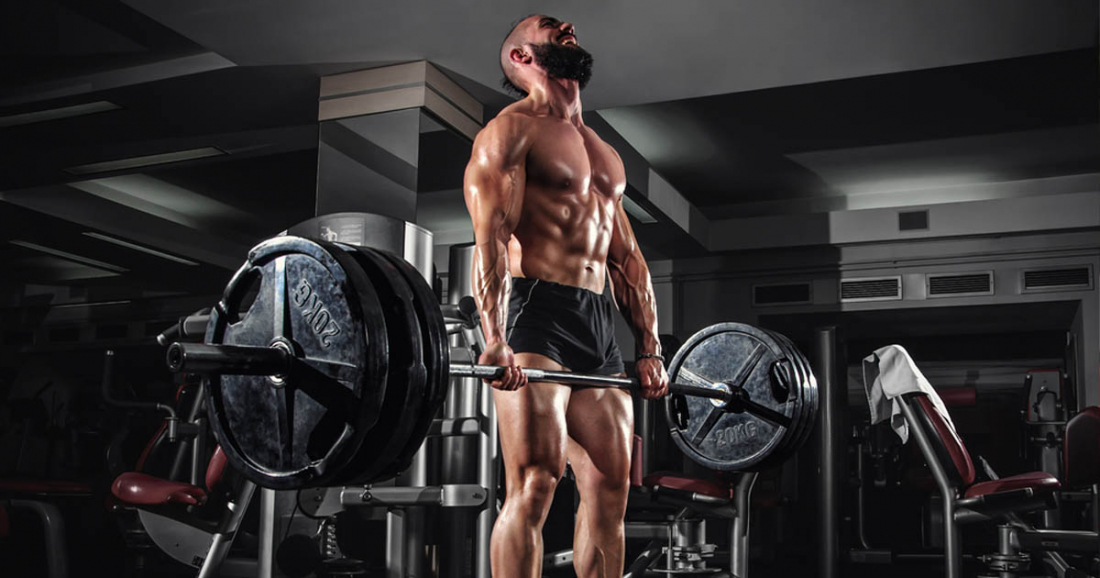
Breathing is important in basic exercises not only to protect the back but also to prevent hernia.
How to prevent a hernia?
In the case of a hernia, it is important to note that there is no reliable way to prevent it, as it can occur when any sudden pressure is applied to the abdominal muscles. And this can occur with a sudden fall, with various stretching to extreme positions and de facto any other activity. So, if you have a weakened abdominal wall (for example, due to a scar after surgery), a hernia may appear sooner or later. In any case, however, you should take care to maintain a proper lifestyle and avoid situations that put uncontrollable pressure on the abdominal wall. Here we have three types for you that we consider to be pivotal:
- Try to keep enough fiber in your dietand have regular bowel movements. Prolonged and regular constipation can also be the cause of a hernia.
- Make sure you are eating enough protein, which, combined with proper exercise, ensures that the abdominal wall is strengthened.
- Address chronic coughing and any other activities that spontaneously strain the abdominal wall. Hernia is very common in heavy smokers, but asthmatics can also have problems. In both cases, it is good to address the problem early.
As you have noticed, all three points can be summed up in the term "healthy lifestyle."

A varied and balanced diet combined with regular exercise is very important in preventing hernia.
How to get rid of it? What about exercise?
Although in most cases a hernia is not painful or restrictive, and its only problem is the risk of herniation (i.e. painful swelling), it is usually not cured by itself. Neither exercise nor any other movement can reduce or even eliminate it. It is much more likely to get bigger. In any case, therefore, it is advisable to see a doctor with a hernia and also to consult with him about whether strength training, walking or running is possible. In some cases, usually in patients who refuse surgery, the doctor may recommend simply wearing special hernia belts, but in most cases you will have to count on either conventional or laparoscopic surgery, which is more aesthetically friendly. So although it may not read very pleasantly, there is no other option than surgery in most cases of hernia at all.
What to take away from today's article?
The main thing you should take away from today's article is that a hernia is a problem that, although it usually doesn't hurt, can be quite limiting and, most importantly, never goes away on its own. So it is definitely a good idea to see your doctor and consult him or her about the treatment and the exercise itself. We can neither recommend nor forbid exercise, and it all depends on the painfulness of the hernia and your overall health. However, it is clear that exercise and a healthy lifestyle are very important preventive measures that should not be underestimated.
No posts have been made yet.








