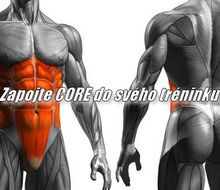
Core training
 Author:
 It is a type of exercise that primarily involves the HSSP (deep spinal stabilization system). This system of exercise is needed for almost the entire general population, including children, the elderly and people with sedentary jobs. Core training is a tremendous asset for injury prevention, good posture and more efficient daily movement.
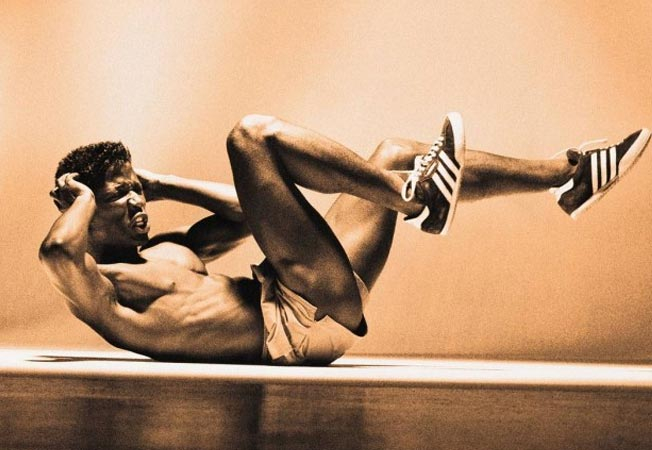
HSSP
The deep stabilizing system of the spine is made up of muscles that are not visible to the naked eye, are located in the deep layers of the muscular corset and greatly affect posture. It represents the muscular interplay that ensures that the spine is strengthened during all movements. The HSSP muscles are activated during any static load, i.e. standing, sitting, etc.
The HSSP muscles are at the origin of all movements of the other muscle segments. They allow us to stand upright (walk), control movements (move in the desired direction), shift body weight, distribute load pressures (absorb rebounds and impacts), and also protect the spine and internal organs.
When the HSSP does not function properly, it places undue stress on the joints and segments of the spine, which can lead to back pain and instability of the lumbar spine. Muscular imbalance occurs when the function of the deep spinal stabilisers is partially taken over by the superficial muscles. This leads to significant chronic overloading and inadequate muscular protection of individual spinal segments during movement, static loading and external forces.
THE MAIN MUSCLES OF THE HSSP
Transversus abdominis, internal obliques, pelvic floor muscles, diaphragm, mm. multifidi
CONCLUSION
Always include 2-3 functional exercises at the beginning of your workout to strengthen the HSSP. This is important for all strength exercises and for proper posture for each exercise, and it will warm you up great for a hard workout.
No posts have been made yet.