




Aimed at women - how to work out the perfect butt?
 Author:
You can be born with a perfect round backside, get implants or get it sculpted with the right training. How to do it using the third option we will show in this article. If you are one of the women who have been groping in strengthening this part so far, you can take the following text as a small "guide".
A small note at the beginning - don't believe everything, especially if you haven't seen it live. Especially instagram is full of all kinds of "fitness celebrities" with perfect backgrounds and seemingly perfect lives, which does not help many women's self-confidence. Often, all you have to do is take a photo at a good angle, apply retouching or get a surgical touch-up, and "perfection" is a reality. Breast augmentation is a well-known procedure, but but buttock implants are also gaining popularity lately.
But let's leave the silicone alone and move on to the better version - building a firm buttocks through enhancement.
Article content:
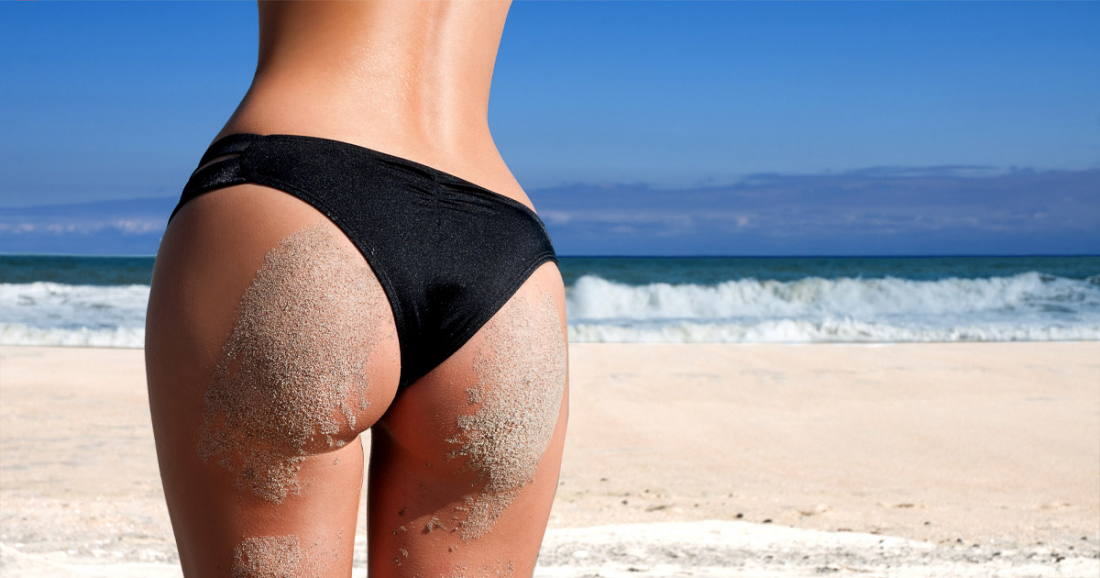
The butt is not just one muscle
First, a little bit of anatomy - your butt is not just one muscle but three:
- The gluteus maximus muscle - as the name suggests, it is the largest gluteal muscle and is the most superficial muscle in the human body.
- The gluteus medius is a smaller muscle located below the gluteus maximus.
- Small gluteal muscle (m. gluteus minimus) - the smallest and deepest muscle of the buttocks.
8 tips to work out the perfect butt
1) Double your leg workout
Looking at your flat butt, you may have started thinking about setting aside one day a week specifically for this area to achieve a nice round shape. No need. Plus, it's quite difficult to come up with a workout that has all the butt muscles completely isolated. Exercises like squats, deadlifts, lunges and pelvic raises can't do without engaging the quadriceps and hamstrings. So choose a different solution - exercise your legs twice a week (not on two consecutive days, of course). Treat one workout as a classic "leg day" and focus more on the butt in the second one. For specific tips on leg exercises with an emphasis on the glutes, see the article below.
2) Try single leg exercises
It is generally known that unilateral training (= training where you separate one side/part of the body from the other - e.g. right and left limb) is very effective for strengthening lagging body parts. In practice, this looks like, for example, instead of deadlifting with a big barbell, you train deadlifting on one leg with a single arm. There are a number of reasons why this works, such as better muscle-mind connection, engaging the stabilization system, better exercise of the muscle in question, both limbs doing the same amount of work (in bilateral exercises you often unconsciously rely on the dominant side, which can lead to muscle imbalances over time).
3) Avoid stereotyping
The gluteal muscles, like other areas, respond positively to different changes in training. This doesn't mean that every workout has to be crammed with a list of new exercises, if you have two different leg workouts in a week, you're on the right track. Below you'll find a list of exercises that you can combine with each other to exercise your gluteal muscles from different angles.
- Squats - classic with a large barbell, kettlebell, lunge, sumo squats, plié squats, single leg squats, hack squats, Bulgarian squats
- Deadlift - classic with large barbell, Romanian, single leg
- Lunges - backward, forward, sideways, walking, standing
- Stumbling/pushing - lying down, standing, kneeling, with pulley, with weighted ankle bands
- Pelvic raises - unweighted, weighted
- Leg press
- Bench press - bench press
4) Have a plan
By no means do you take the above list, run to the gym and do a little bit of everything. Have a plan for what exercises you will do on any given day, don't just bounce from one to the next. As we wrote above, on a "leg day" you can opt for classics like squats, leg press, lunges, lunges, on a more butt-focused day you can include squats with a kettlebell, pelvic raises, standing pulley dips, or kneeling lunges. Don't forget that exercising properly is only part of the success, a balanced healthy diet is also essential, which will give you enough energy to train hard.
Recommended
Magnesium Malate 100cps 1+1
Nebbia Legíny High-waist flared CLUB D’OR 630
Prom-in Adaptotest
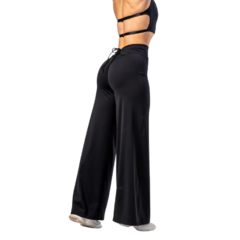
Nebbia Deni x NEBBIA Flared kalhoty s vysokým pasem 312
5) Perform deep and wide squats
Squats with a large barbell can put more emphasis on your butt due to the wider stance. Don't do half squats, do full squats. Don't put on so much weight that you can't perform the exercise correctly. On the leg press, you can place your feet higher on the board, which will engage your glutes and hamstrings more.
6) Don't forget the pulley dips and lunges
Planking with a pulley can greatly help to improve the overall shape, roundness and size of your glutes. This is one of the exercises where you actually train your butt, without over-involving the hamstrings and quadriceps. Of course, you have to exercise with proper weights, forget about the kilo ones. As for lunges, there are several variations on how to perform them and they are a great leg and glute workout.
7) Finish your workout with a superset
It's not easy or fun, but it's very effective. Try finishing one of your leg workouts with a superseries to failure - you can combine deadlifts on one leg and squats with a jump squat, for example. Get your imagination going and you're sure to come up with lots of other interesting combinations.
8) Do glute-focused cardio
Many women tend to store fat in the hips, thighs and buttocks. But that doesn't mean they are doomed to spend hours on cardio every day, 2-3 times a week is enough. Even with cardio training, there are variations where you engage your butt more - try a stepper or walking on an incline belt.
[Image and information sources: bodybuilding.com, Anna Nyström, Abby Pollock, pinterest.com]
No posts have been made yet.