





Street Hard Workout Battle Žatec 2019 - interviews with judges
 Author:
 This Saturday the second edition of the Street Hard Workout Battle Žatec will take place in Žatec, where men and women will compete in Freestyle.
Their performances will be evaluated by seven judges, and today we bring you interviews with five of them, prepared for you by Rostislav Vošický.
Below you will find Léa Depagneux, Viktor Fedorov, Antoine Lacotte, La Twist and Vadym Olejnik.
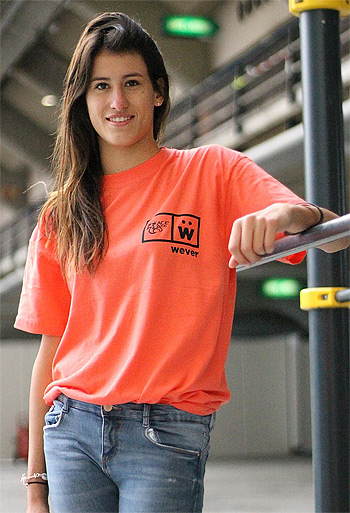 Léa Depagneux
Léa Depagneux, 21, is a successful French national and street workout competitor with first and second place finishes at the 2018 and 2019 FIBO Power Freestyle Battle competitions and a second place finish at the 2018 WSWCF National Championships in Bordeaux. Her goal is to attract the female population in particular to the sport and expand the ranks of girls in street workout. She will also come to the Czech Republic to support the sport as one of the judges of the Street Hard Workout Battle Žatec 2019, so we have prepared a short interview with this charming young lady.
Léa, thank you so much for accepting our invitation to the Street Hard Workout Battle Žatec event on 17 August 2019. You will be one of the judges, so we would like to introduce you to Czech street workout. Could you write a few lines about yourself?
My name is Léa and I am a street workout enthusiast, which I love very much. My passion for the sport, for overcoming myself and the adrenaline it gives me led me to exercise. My best tricks in street workout are the V-sit and the press stand. When I was a kid, I did synchronized swimming, skiing. I also love traveling and cooking.
What exercises did you start your first workout with? Did you practice basic body strengthening exercises first or did you freestyle right from the start?
I remember it was L-sit, balancing, tuck planche and tuck back lever. I started with freestyle right away.
What advice would you give to beginners who also want to start?
I would advise them to warm up well, be patient, don't skip important steps, start with small figures and move on to harder tricks once they have mastered them perfectly.
You live in Nice, France, where it's very warm and beautiful. So do you train outside all year round, or do you also train indoors?
Winter is cold, so we wait until 1pm, and summer is very hot, so we train around 6pm.
How many times a week or a day do you train? And how long does your average training session last?
I train 3 to 4 times a week for 2 hours.
Are you in contact with physiotherapists as part of your training?
Yes, I am studying physiotherapy.
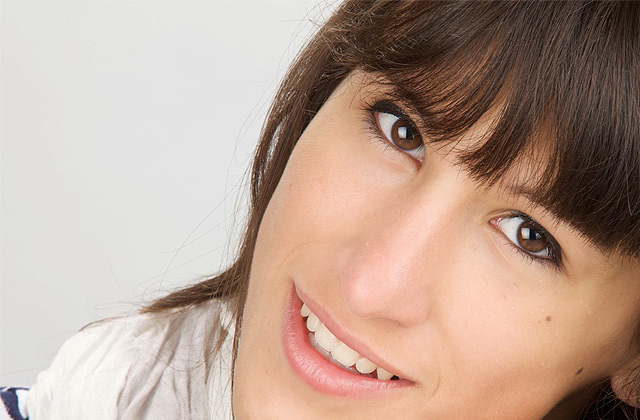
One of your biggest achievements is participating in FIBO 2019. How long did you prepare for this competition and who were you in a 1 vs. 1 competition with? What is your biggest takeaway from this competition?
I prepared for the competition for 2 - 3 months and in the semi-finals I competed against Natalia Modzelewska from Poland and in the finals against Cveti Staneva from Bulgaria. My biggest experience is just the semi-final against Natalia, who is a world champion, and that I was able to overcome myself.
What are your goals in life?
My goal is to be happy.
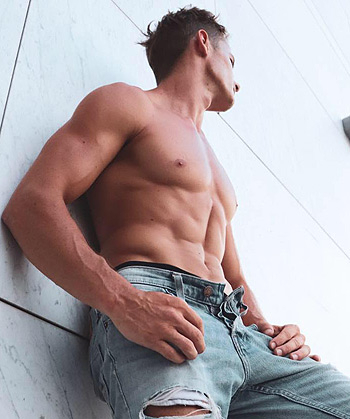 Antoine Lacotte
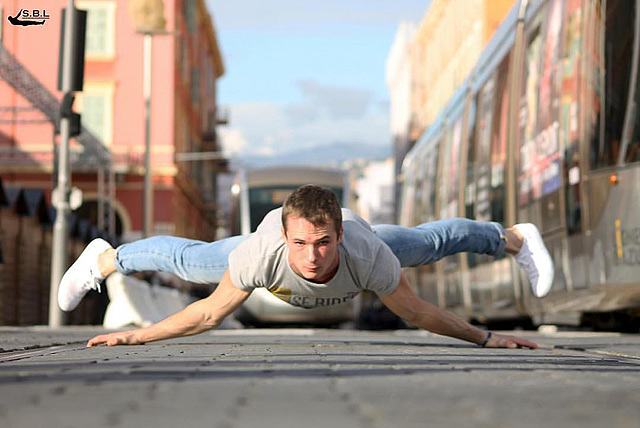
The 26-year-old Antoine Lacotte is not only reaping success at national competitions, but also participating in international competitions, mentioning for example the 1st place at the Kangaroo Pro Street Workout World Cup 2016 or the silver at the FIBO Power Freestyle Battle 2018. The ambitious athlete, specialized in static and dynamic performance, will come to the Czech Republic to decide the best competitors at the Street Hard Workout Battle Žatec 2019 held on August 17.
Antoine, thank you for accepting the invitation to our battle where you will be one of the judges. Could you write a few lines about yourself for the street workout fans?
My name is Antoine Lacotte, I'm 26 years old and I live in Nice in the south of France. I'm 171 cm tall and I weigh 65 kg. I have been sporty from my youth, I'm particularly fond of extreme sports, adrenaline and urban sports. I've been training rollerblading in the city for several years, but also mountain biking, tennis, skiing, water sports like sailing because I'm very attracted to the environment and I lived in the Caribbean in my youth. I was never really into sports that I had to force myself into, and street workout is the first one that I've liked that way and I still enjoy it all these years later. It has to be said that it's hard, or rather impossible, to avoid. It's a sport that has a lot of creativity in it.
What are your hobbies outside of street workout?
My hobbies are music, nature, motorbike and photography.
What are your goals in life?
My goal in life is to live my passion and share it through calisthenics school.
What led you to exercise?
What got me into doing intense physical sports and street workouts was my retirement from the military and a few hard knocks in life along the way. I started working out a lot with my own weight, like muscle-ups and handstand push-ups. I did basic exercises first before I got into freestyle. But I think I can get a complete beginner started with that knowledge. I really like static elements like maltese, full board, but my favorite element is front lever.
What advice would you give to beginners who want to start with these exercises?
My advice to beginners is to listen to the advice of experienced people so they can do the exercises properly and get less injured, but also do the workout in a good and direct way so they don't have to go over everything again, which is also very demotivating. So you need patience, rigor and a good accompaniment or good advice. And toughen up! It's a sport that requires the human body first and foremost, so respect it and help it, but also reward it.
You live in Nice, where it's very warm. Do you train outside all year round, or do you also train indoors?
Yes, Nice is beautiful for outdoor training. But the winters are cold anyway. We work out in the gym!
How many times a week or a day do you train? And how long does your average workout last?
The frequency of my workouts depends a lot on my physical condition and how I feel at the moment. I really listen to my body and understand when it can't train. I generally freestyle train 2 - 3 times a week and the other days I rest or do basic exercises to keep my muscles working, sometimes even on rest days. In return, I reward my body with a good stretch.
Do you also train with dumbbells on specific muscle parts in your training plan, or is your training only with your own body weight?
Now my workouts are all about my own weight. No extra weights.
Are you in contact with physiotherapists as part of your training?
I am also in contact with a physiotherapist because after a few years of intense exercise I really need one.
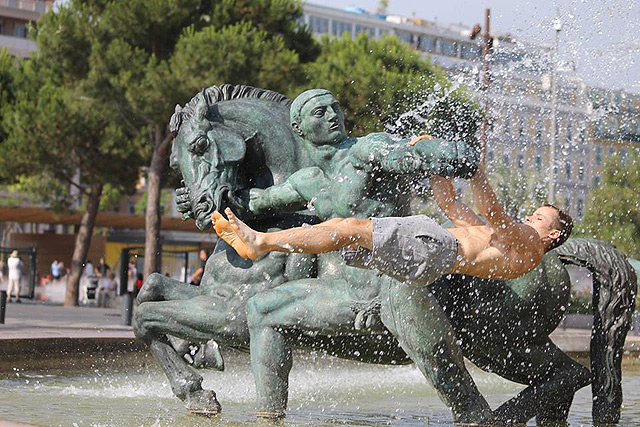
One of your biggest achievements is coming second at FIBO 2018. How long did you prepare for this competition and who were you in a 1 vs. 1 battle with? What is your biggest takeaway from this competition?
The experience of FIBO 2018 was a rewarding one for me. This year, I finished in second place against Daniel Laizans. I'm happy, but it also made me realize that I'm not ready enough to face Daniel yet, and I've been fighting since then to do better next time.
Do you train heavy dynamic stuff on an outdoor field or in a gymnastics hall?
Now I'm passing on my knowledge at Avenir Gym in Nice and we're putting more emphasis on projects for next year.
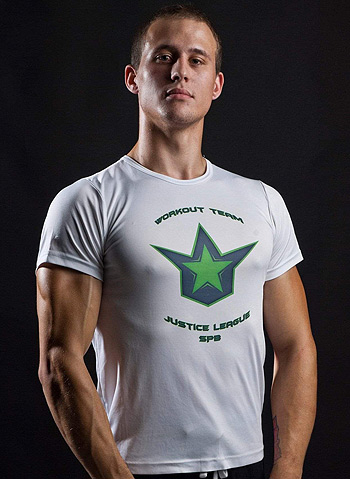 Viktor Fedorov
Viktor, 23, is a multiple Russian champion and was second in the 2018 Street Workout World Cup. He lives in St. Petersburg, the former coronation capital of the Russian Tsars, and is the captain of the St. Petersburg workout group, the Justice League. Just to add, he is 182 cm tall and weighs 72 kg.
Viktor, what sports did you do in your childhood?
In my childhood, I used to go swimming.
What are your hobbies outside of street workout?
My hobby is fixing various electronics.
What got you into street workout and how old were you when you started?
When I was 12 years old, there was a trapeze bar at my school and I saw others doing simple exercises on it, so I started imitating them.
What exercises did you start your first workout with?
Pull-ups, lunges, trapeze push-ups.
Did you practice basic body strengthening exercises first, or did you practice freestyle right from the start?
For the first two years I trained only basic strength exercises.
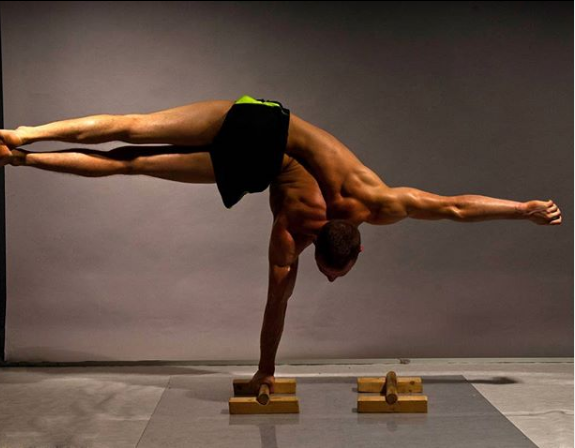
If I'm not mistaken, you like maltesers and planche. How often do you train these exercises and what advice would you give to beginners who want to start with these exercises?
I would not recommend beginners to train these exercises without the necessary basics, as it can lead to hernias and spinal problems. I have been training planche since 2014, doing 3 tricks almost every day for maximum endurance.
You live in St. Petersburg, which was the seat of the Tsars and is very beautiful. Are there many street workout fields in this city?
There are very few playgrounds in our city, at least those built by the state. In St. Petersburg, street workout is almost unknown.
Are there more people practicing basic exercises such as push-ups and handstands or are there more people practicing freestyle?
That depends on what day and time you come to the playground.
Has exercising on outdoor playgrounds been popular in Russia since time immemorial, or has this style of exercise only developed here in the last 10-15 years?
In the Soviet Union, sports gymnastics was popular and at the basic level it was practiced in schools. There used to be good wide trapeze bars in every yard, but now they have almost all been removed.
How many times a week or a day do you train? And how long does your average workout last?
I train 6 - 7 times a week, with a training session lasting 2 - 3 hours.
How much time do you usually spend stretching and then working out?
I haven't stretched since 2016. Back then, I spent an awful lot of time warming up (around 4 hours a day) to make rope and improve flexibility.
Do you also train with dumbbells on specific muscle areas in your training plan, or is your training with your own body weight only?
I almost always use my own body weight, very occasionally I do trap bar pull-ups and push-ups on the bars with added weight.
Are you in contact with physiotherapists as part of your training?
No, I don't go to physiotherapist appointments.
We met the guys from Sakhalin at a competition from the World Street Workout and Calisthenics Federation and they told us that the Russian Federation pays for athletes to travel to world competitions. How does that work exactly?
It's not paid by the federation, but by the sponsors of the competitions.
Does your team also organize street workout competitions?
We hold more than 10 competitions every year.
Russia is a big country. How do you find out about the different battles and how do you choose which one to go to?
I find out about competitions from my friends and on social media.
What are your biggest achievements?
1st place in the qualification at the World Championships in Pskov and 2nd place in the superfinals at the World Cup in Egypt.
How long did you prepare for your first competition and who were you in a 1 vs. 1 competition with? What is your biggest takeaway from this competition?
My first 1 on 1 battle was in 2014. I took 3rd place at the St. Petersburg Cup, which I didn't prepare for specifically, I just did the exercises I knew.
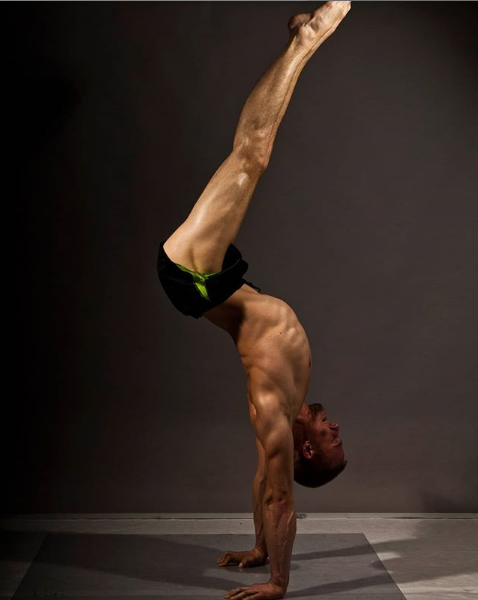
Do you train heavy dynamic stuff on an outdoor field or in a gymnastics hall?
At the moment I train dynamics outdoors, as there is no indoor gym. The only one we could train in was torn down in April.
What are your goals in life?
I strive to maximize my potential in street conditions.
 La Twist
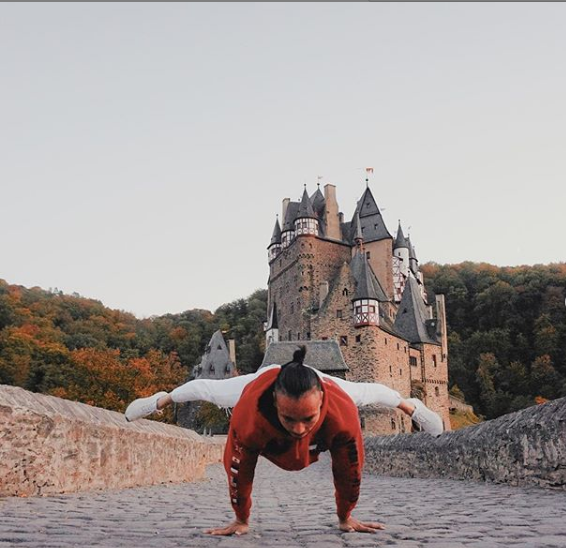
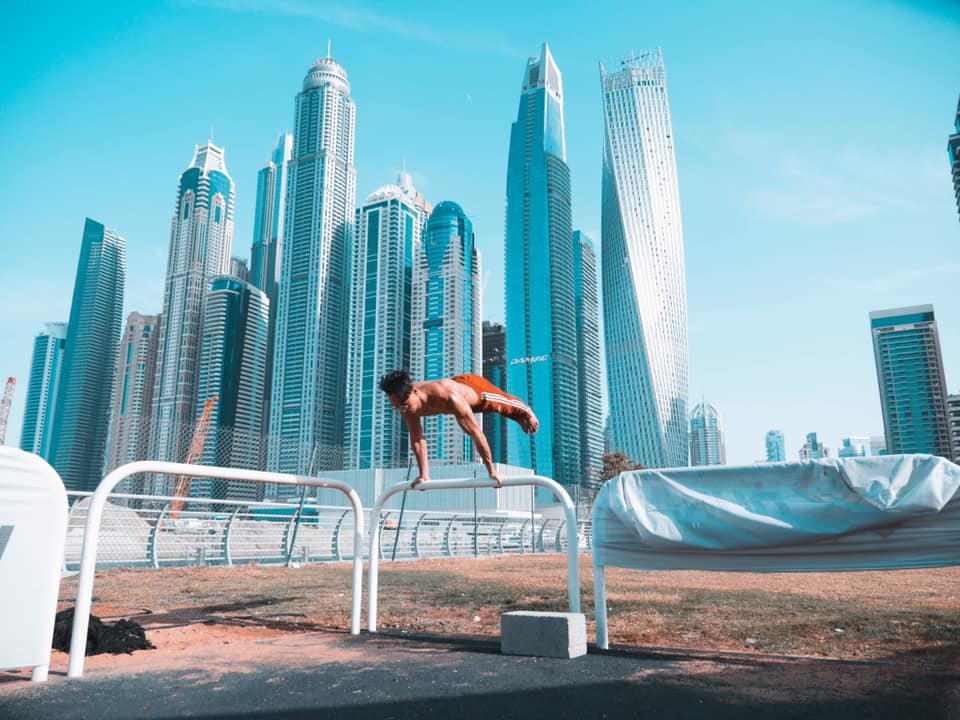
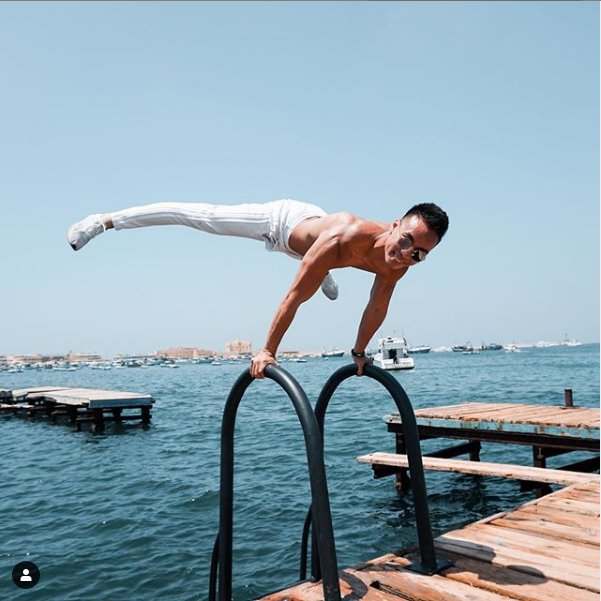
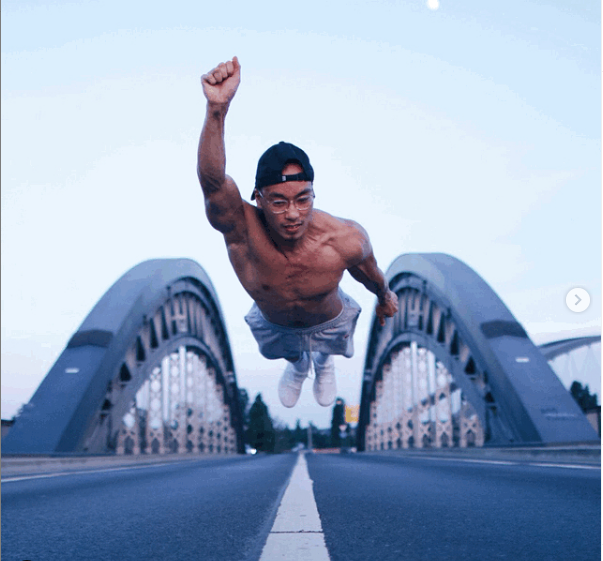
La Twist is a great athlete living in Frankfurt, Germany, a city known as the city of German and world bussiness, literally nicknamed Bankfurt. La Twist is a three-time winner at the Battle of the Bars hosted by the World Calisthenics Organization. Furthermore, he was a German Vice-Champion in 2018 and was a judge at the 2018 Austrian National and International Championships.
La Twist answered a few of our questions where he reveals his training and some of his life.
Height: 178 cm
Weight: 65 kg
Team.
City: Frankfurt
Study: Computer science with a focus on mobile applications at the University of Frankfurt for Applied Sciences.
Work: entrepreneur, massage therapist
What sports did you play as a kid?
Hip Hop Dance
What are your other hobbies outside of street workout?
I love to travel, enjoy the outdoors and I really like to read books.
What are your goals in life?
To own a Calisthenics Gym
What brought you to street workout?
I used to go skating with my friends at the park and suddenly they built a new Calisthenics park. I tried working out on it and became addicted to street workout.
What is your favorite food?
Sushi, Ramen (note: noodle soup originally from Japan), traditional Asian noodle soups, burgers.
What are your favourite exercises?
Frontlever, Geinger.
What was your start in street workout? Did you start with basic exercises to strengthen your body or did you train freestyle straight away?
I first started with basic body strengthening exercises and then I started training freestyle and static elements.
You live in Frankfurt. What are the most interesting sights in the city?
The Frankfurt Opera House, the European Central Bank (of course the huge skatepark pool complex), the Alte Brücke (the old historic bridge over... well, of course over the Main River), the old St. Nicholas Church, St. Bartholomew's Cathedral.
You like to travel a lot. What are the most interesting places for you?
Los Angeles, Koh Samui (Thailand), Australia, Dubai, Vietnam.
In 2018 you participated in the Team Ninja Warrior 2018 Germany competition. Did you have special preparation for this competition?
I didn't prepare specially for this competition. I went straight into the competition without any preparation. At that time I had done many street workout battles and that was enough physical preparation. In the end, I finished in the semi-finals and missed advancing to the finals by only one spot.
Did you prepare specifically for Team Ninja Warrior?
I didn't prepare specifically for this competition. I had a lot of battles that year so they were also good preparation for Team Ninja Warrior itself. I made it all the way to the semi-finals at this competition and missed out on a spot in the finals by just one place!
How many times a week or day do you train and how long does your average training session last?
I train 4 times a week and training usually lasts 2-3 hours.
How much time do you spend stretching and then working out?
I warm up for 30 minutes and stretch for 10 minutes after my workout.
Do you also train with weights on specific muscle parts in your training plan or do you only train with your own body weight?
My training is for the most part only with my own body weight and I only occasionally use a vest.
Are you in contact with physiotherapists as part of your training?
Yes. I regularly see a physiotherapist or have massages.
Among your most important achievements are 4x international battle. How long did you prepare for these competitions? What is your biggest experience from these events (it doesn't have to be only sport).
I usually prepare 2 months before a battles and some battles are the actual preparation for other battles. My biggest experience or finding is that you can beat anyone if you have strong skills and a strong mind. You can be the strongest/best athlete but when the going gets tough you should be strong both physically and mentally!
How did you meet the guys on the Flythenics team?
In 2015 I was invited to a battle in Stuttgart where I met Corash and he looked me up and asked me what I could do. I told him that I've actually been training for 3 months and I don't know much. Before that I was doing break dancing. He taught me my first 360 in 10 minutes. From that moment on, we kept in touch. I was helping Corash edit videos and he was teaching me street workout.
Which battle was the hardest for you? Which athlete?
A very tough battle for me was against Dan Rosenberg. I told myself that now I had to go 100% and unfortunately I made one of my tricks fail, so unfortunately I lost the battle. Dan Rosenberg was definitely my toughest opponent.
Who was the biggest motivation for you at the very beginning of your training and learning about street workout?
In the very beginning it was definitely Corash, who guided me the whole time and was a strong support for me, and over time as I got to know more athletes from street workout, it was Daniels Laizans who motivated me.
Which tricks did you learn the fastest and which tricks were the absolute worst?
360s and all the classic freestyle dynamic tricks were very easy for me and unlike other people I learned muscle ups quite quickly and the absolute worst was the planche, which I work on all the time and I'm still not completely satisfied with it.
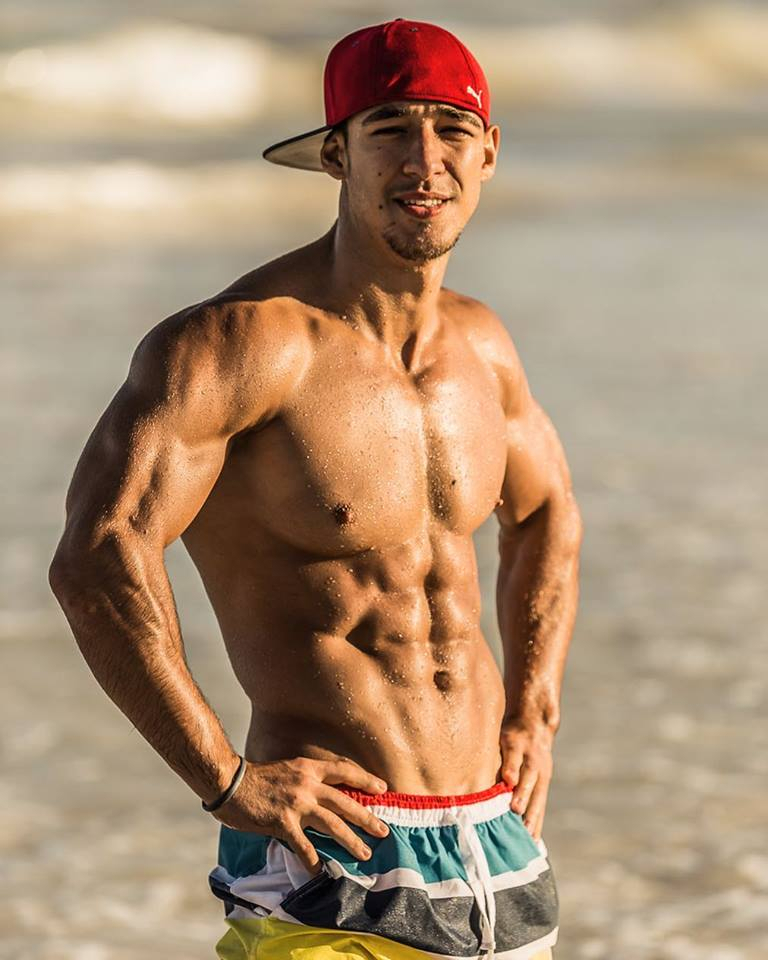 Vadym Olejnik
Height: 178
Weight: 83kg
Age: 25
Country: Ukraine
City: Odessa
Team: 25/7 gorilla gang
Sports achievements
2nd place Ventspils Baltic Championship 2013
2nd place World Championship in Riga 2013
4th place - World Cup Norway 2013
5th - 6th place Moscow Final 2013
3rd place - Pull and Push Paris 2014
4th place - World Championships Moscow
Judge - Estonian National Championships 2013
Hi Vadym, thanks for accepting the invitation to judge our battle. We would like to introduce you to the wider public. can you tell us a few words about yourself?
Nowadays I am finishing my studies at the Polish University of Hotel and Tourism Management and how to mediate recreation for tourists.
What sports did you play as a child?
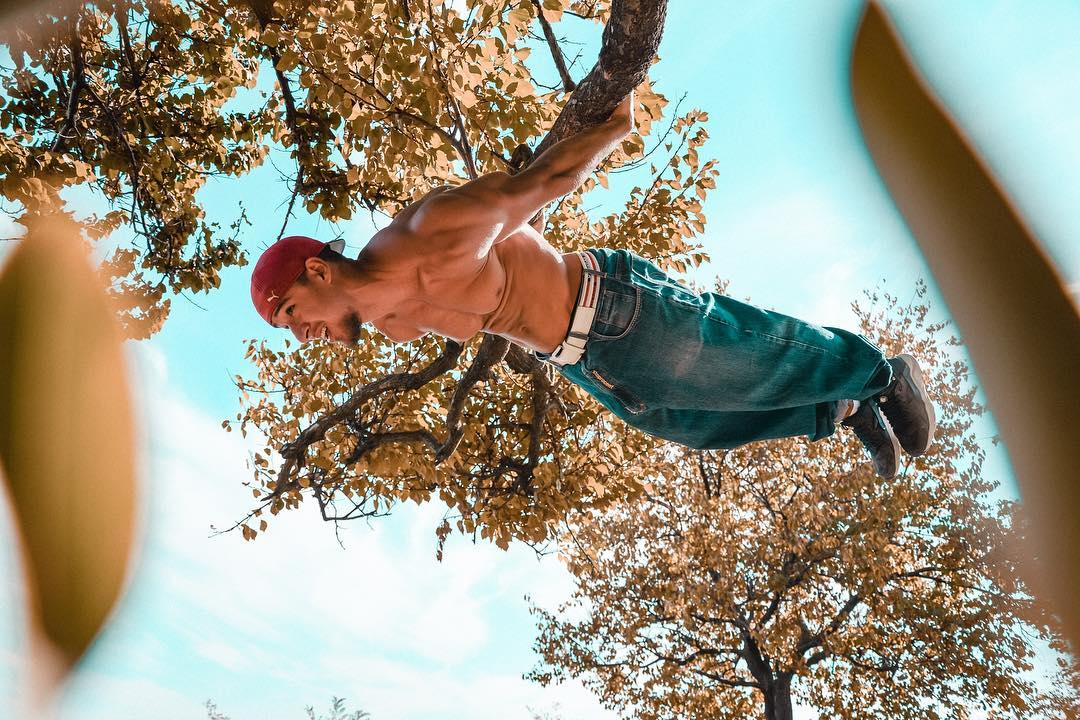
From the age of 4, my parents sent me to martial arts training in Fighting Sambo and I was involved in this sport until I was 17 when I passed the fight test to become a professional fighter. With this certificate I went to Poland to study as a professional athlete. I started calisthenics when I was 9 years old and I combined both sports from that moment on. When I was 15 years old I also started training street workout and at 17 I had a head injury. In the hospital, the doctors told me that I would never be able to fully train and do this sport again, so I started to do only calisthenics and street workout.
What do you do outside of street workout?
Outside of street workout, I really enjoy travelling the world and doing workshops. On my travels I really like to meet new people, countries and share my many years of experience with others to motivate them and start their journey with the right attitude. I also work at Guboz, a company that fights corruption and terrorism in Ukraine, providing various types of business industry in Ukraine.
What are your goals in life?
My goal in life that I want to achieve is to live the life that I wanted and am living now.
What is your favorite food?
I don't have any favorite food. I really like to eat healthy and tasty.
What is your favourite exercise?
I don't have a favorite exercise. I combine different types of exercises to be comprehensive.
How did you start doing street workout? Did you train basic exercises first or did you start with freestyle?
Since I was a kid I trained basic exercises and then I just upped it to a higher level of difficulty to get stronger and do all kinds of exercises until they became easy for me, when I reach a good level of strength I start to create my own style like "Bar Dance strength and brake" which many people imitate.
You live in Odessa, what are the most important sights in the city?
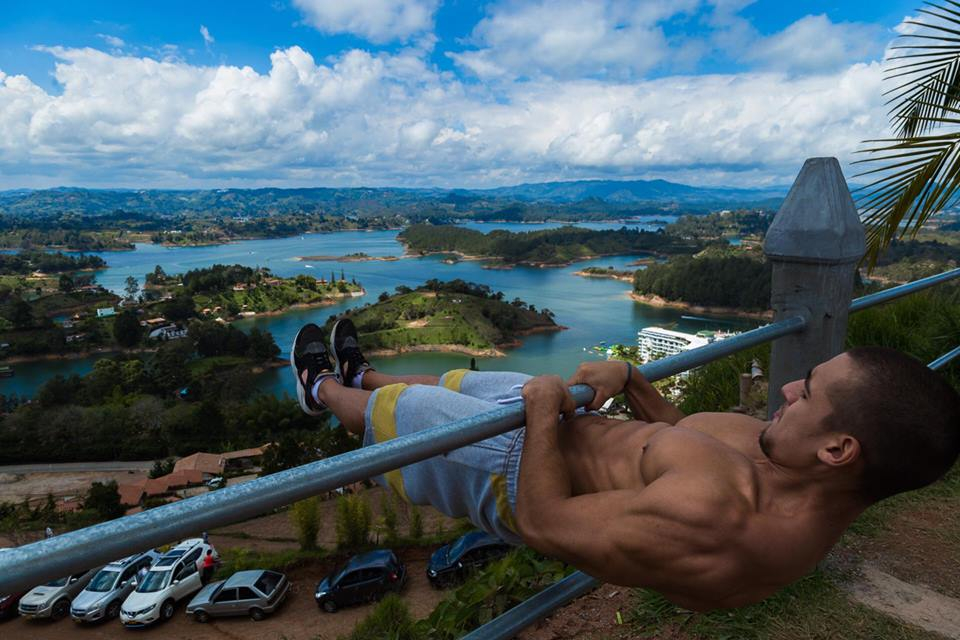
I absolutely love everything in Odessa. There is nothing special in the city, but I definitely recommend visiting Odessa and then you will understand me.
Do you love travelling, where do you like to go the most?
One of my favorite countries is Italy and it's the people, the food, the atmosphere, I love everything about it, which is actually why I always stay there in the summer time, but another very favorite place of mine is Tulum, Mexico.
How many times a week do you train? And how long does a workout last on average?
It's a lot about my feeling. Sometimes I train for only 30 minutes, sometimes 4-8 hours and it all depends on how I feel at the moment and what I want to do. But at least I try to achieve 4 training days a week.
How much time do you usually spend on stretching and how much on the actual workout?
I spend 40 min on stretching before the workout.
Do you also incorporate weight exercises targeting specific muscle groups or do you only train with your own body weight?
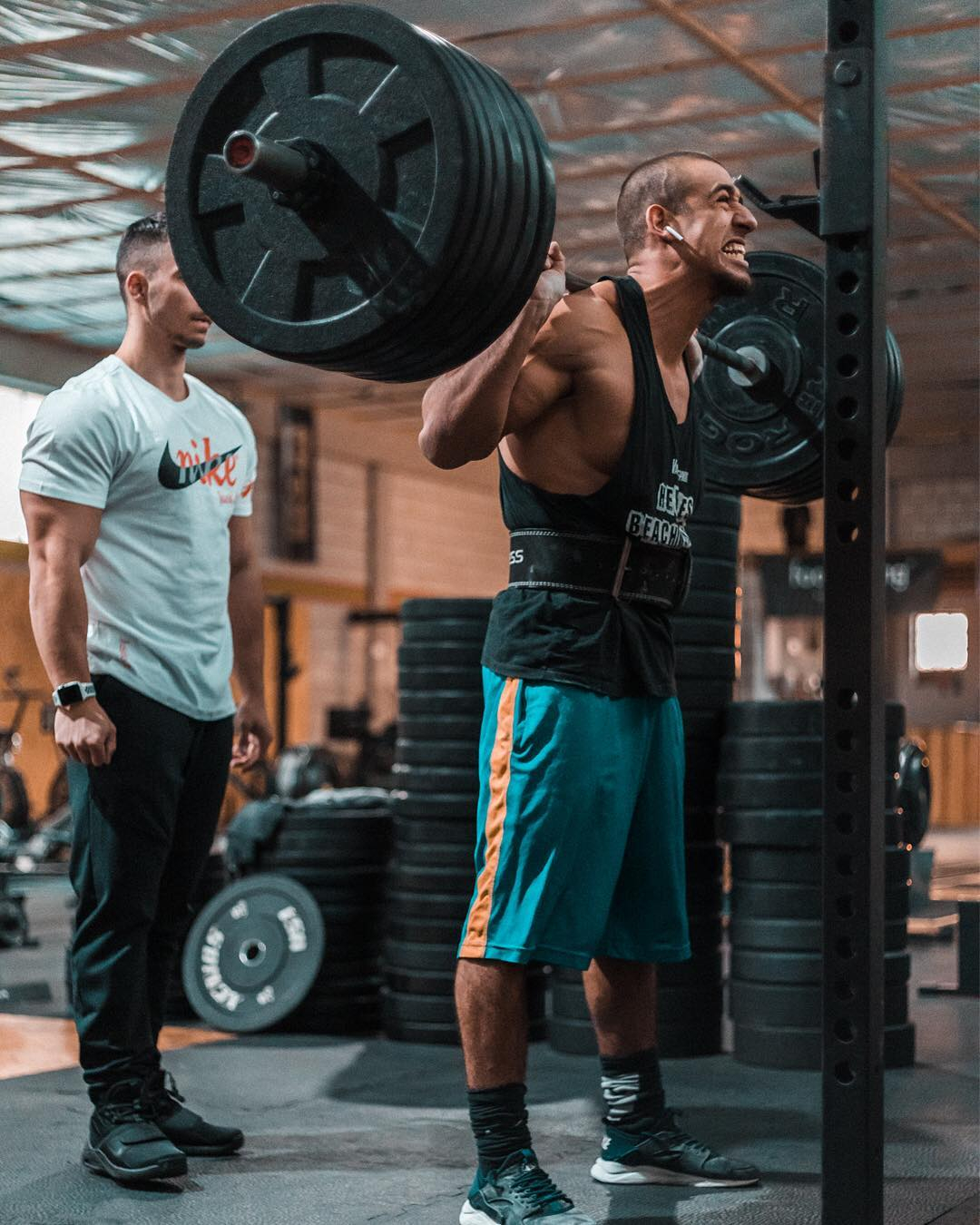
90% of my training is with weights, I combine powerlifting and workout with added weights and the rest of my training is with my own bodyweight only.
Are you in contact with a physiotherapist as part of your training?
I can't remember the last time I saw a physiotherapist. I have enough knowledge to help myself.
No posts have been made yet.








