





Obese "fitness girls" as the current hit of social networks
 Author:
 Recently, social media has been bursting with the promotion of obese influencers and even well-known brands of fitness clothing and supplements are choosing them for their advertisements. The initial intention was quite positive, namely to show that a woman can be happy and satisfied regardless of the number on the scale, but hasn't it gone a bit to the opposite extreme, making obesity the norm and, wonder of wonders, the ideal of beauty and health?
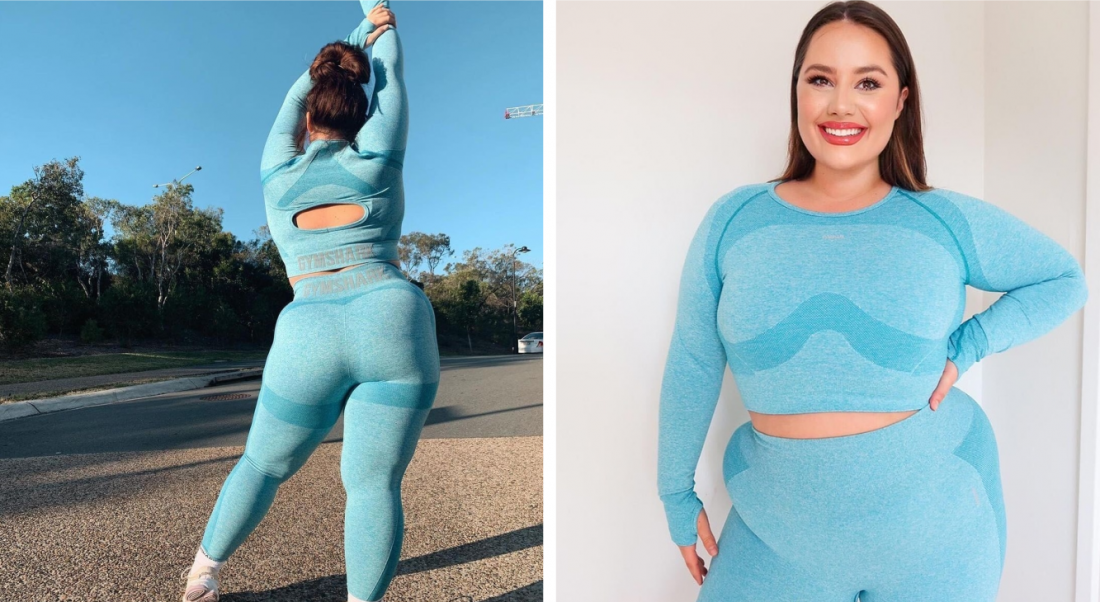
From one extreme to the other.
Obese models have been appearing in the fashion industry for quite some time now, and gradually this trend has been carried over into the sports fashion industry. Not so long ago, the main faces of the leading fitness clothing brands were chiseled athletes with "baker's buns", rock-hard thighs and minimal body fat. But these days, they are increasingly being replaced by obese plus size models. The golden mean seems to have disappeared somewhere and it has gone from one unhealthy extreme to another. As we mentioned in one of our articles, being imperfect is normal. It's perfectly okay to like ourselves, even if we have stretch marks, cellulite, pulled skin or a few extra pounds, but we should never forget about our health. Let's not kid ourselves, with the advertised obese models, those extra pounds really aren't just a few and it's far from a healthy figure.
Obese influencers as a bad example
Any famous personality can influence society positively or negatively with their attitudes and opinions. Just because an obese model shoots a sportswear collection and a few videos to promote a fitness brand doesn't make her a healthy person. Women in particular tend to admire the courage and confidence of the person in question and fail to see the health risks involved. Of course, there are also women who share their weight loss journey and, on the contrary, show how to get out of obesity through a healthy lifestyle, but these are not the ones we are talking about now.
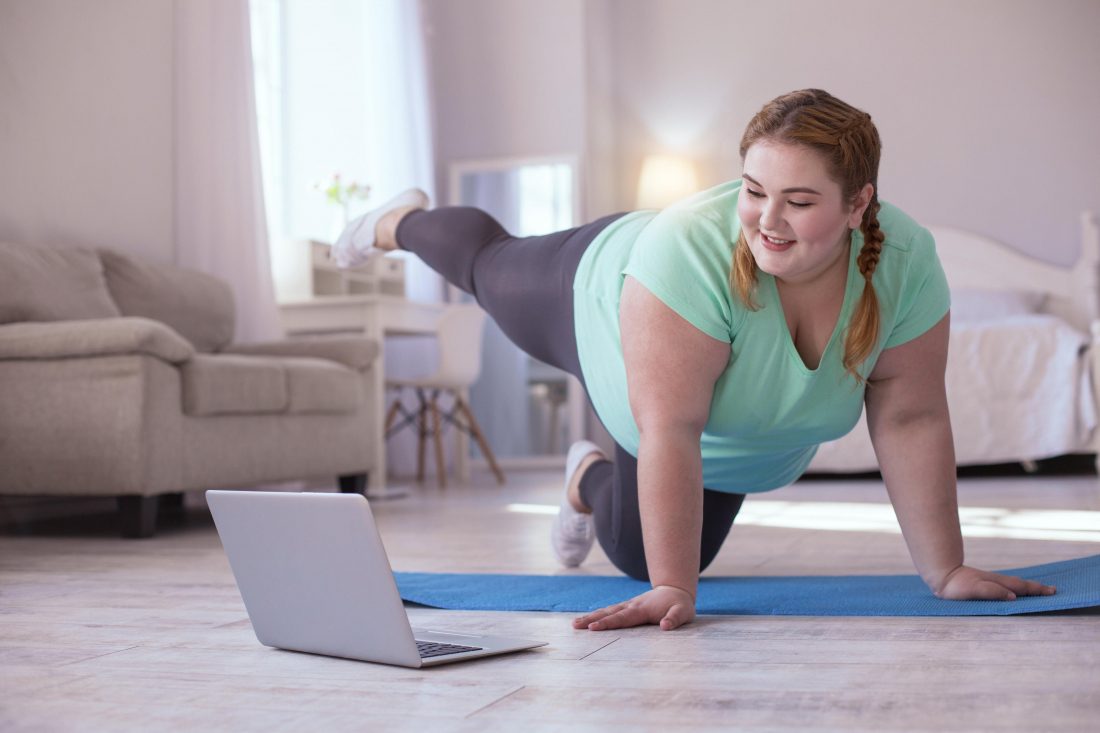
A separate chapter are the exercise videos that the people in question make to promote the brand. Obesity puts a great strain on the joint and skeletal system and therefore increased emphasis should be placed on the choice of sporting activity and the correct exercise technique, but the influencers do not worry too much about this. The goal is not to get someone to exercise properly, just to sell the product and get as many likes as possible. Of course hashtags like #plussizefitness #bodypositivity and #haes (health at every size) must not be missed.
There is no such thing as healthy obesity
The largest scientific study of 3.5 million respondents has confirmed what many smaller studies have come up with before - it is not possible for adults to be completely metabolically healthy and obese at the same time. Even a physically active lifestyle does not automatically "cancel out" the harmful effects of obesity. Large amounts of excess body fat will always be a risk factor.
Another larger study conducted in Spain collected data from more than half a million people with an average age of 42 years. It found that active obese individuals were 2 times more likely to develop diabetes, high blood pressure and high cholesterol, compared to individuals who were not active but their weight and % body fat were within normal limits. This was the first nationwide analysis to show that regular activity is unlikely to eliminate the harmful health effects of excessive body fat.
Many obese people believe that if they don't experience any symptoms of the disease, the extra pounds are not harmful and they are healthy, but this is a big mistake.
According to the WHO, at least 2.8 million people die each year as a result of obesity.
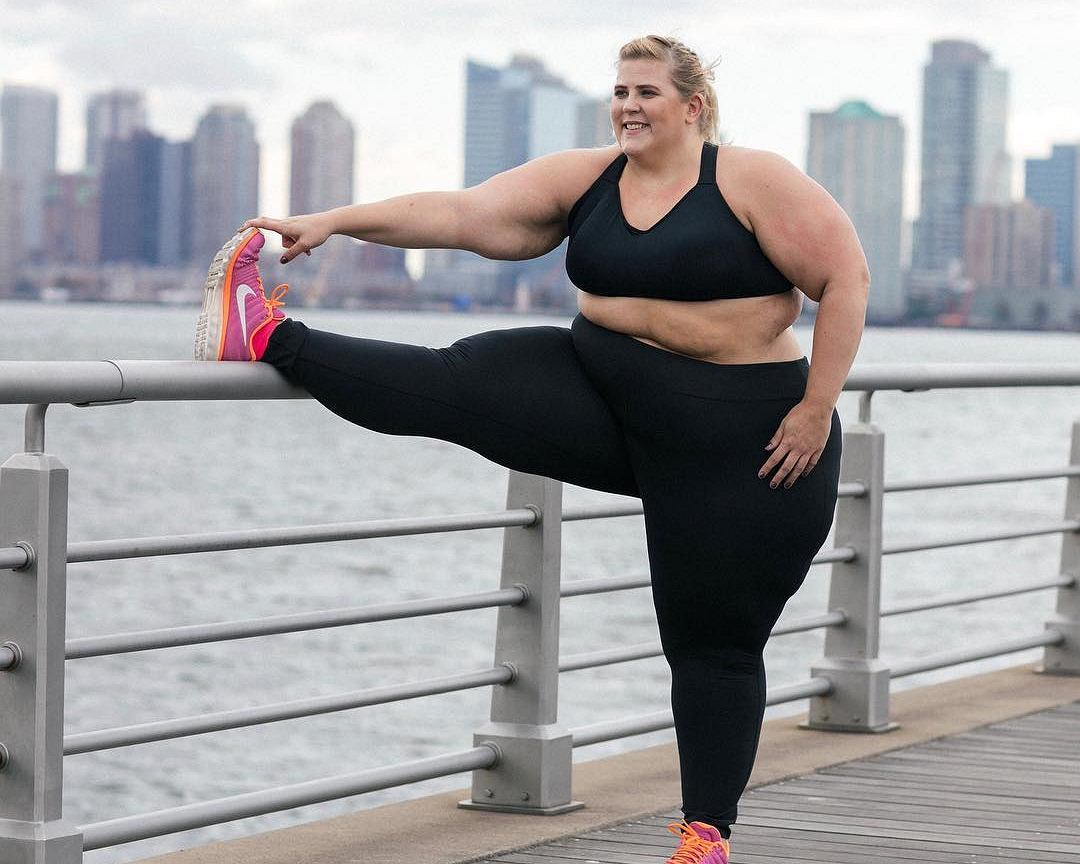
Health risks that plus size models don't tell you about anymore
Excess body fat puts a strain on bones and organs, interferes with the proper functioning of hormones and metabolism, and increases the incidence of inflammation in the body. What are the most common health effects?
1) Type 2 diabetes
Type 2 diabetes is 6 times more common in obese than in lean individuals and affects up to 90% of obese people. It is characterised by an increase in blood sugar (hyperglycaemia). We speak of diabetes when the fasting blood sugar concentration exceeds 7 mmol/l; in a healthy person, the fasting blood sugar concentration is between 3.6 and 5.6 mmol/l (the test is performed from venous blood). Regular exercise can change the compensation of diabetes for the better, which in turn requires a modification of treatment or a switch to a diet only, without the need for medication.
2) Heart disease
In obese individuals, fatty deposits accumulate in the arteries that supply blood to the heart. This leads to narrowing of the arteries and blood clots that can lead to heart attack or stroke. Bad LDL cholesterol levels also increase.
3) Stroke
In a stroke, the blood supply to part of the brain is interrupted, making the affected part of the brain unable to perform its function and causing rapid brain cell death. It can cause damage to brain tissue and lead to a range of disabilities, including speech impairment, muscle weakness and changes in thinking and reasoning.
4) Sleep apnoea
People with obesity have a higher risk of sleep apnea. This is due to the greater amount of fat stored around the throat, which causes the airways to shrink.
5) High blood pressure
Excess fat tissue needs more oxygen and nutrients. The increase in the amount of circulating blood puts pressure on the artery walls, which is called high blood pressure or hypertension. Over time, high blood pressure can damage the heart and arteries.
Recommended

Czech Virus CLA
HMS Variabilní posilovací lavice s expandéry L1217
Czech Virus Protein Pancakes

Nexgen 60 kapslí 2+1
6) Liver disease
Fatty liver disease usually has no symptoms but can eventually lead to liver failure. The only way to prevent this disease or lessen its effects is to lose weight, exercise and avoid drinking alcohol.
7) Gallbladder disease
Obesity increases the risk of gallstones. Gallstones are formed when bile builds up and hardens in the gallbladder. Gallstones can be painful and require surgery.
8) Some cancers
Obesity can increase the risk of some cancers such as colon, gallbladder, pancreatic and kidney cancer. One study estimated that in 2012, about 28,000 new cancer cases in men and 72,000 in women in the United States were linked to being overweight or obese.
9) Complications in pregnancy
Pregnant women with obesity are more likely to develop insulin resistance, high blood sugar and high blood pressure. They are also more likely to have blood clots, heavier bleeding after childbirth, and a greater risk of miscarriage, premature birth, or needing a cesarean section.
10) Depression
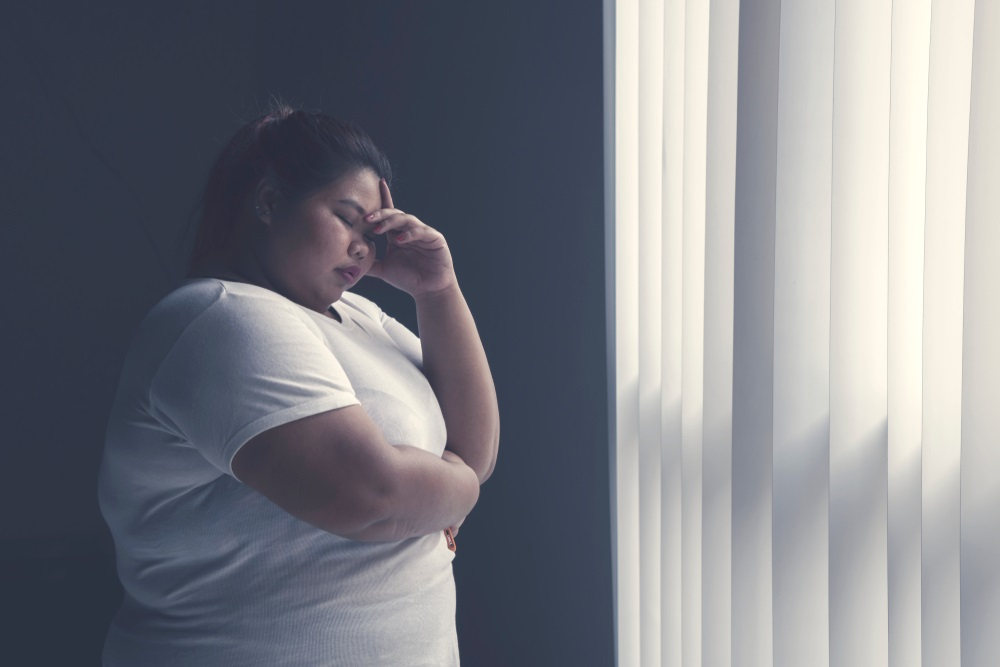
Some of the studies show a correlation between obesity and depressive states. This association appears more in women than in men. Obesity itself can cause depression - people hate themselves and their appearance, so they overeat. But social stigma can also play a role, with society looking down on obese individuals.
Bottom line
There is nothing wrong with liking yourself and being happy with your body, but we should not forget about our health. Obese influencers may convince their fans that they are perfectly happy and healthy, but as we know, it is not advisable to believe what you see on social media and the reality may actually be somewhere else.
Want to get in shape or change your lifestyle? Order a customized diet or workout from Supertrener.cz
Image and information sources: healthline.com, sciencedaily.com, muscleandfitness.com, bodyandsoul.com, medical-news.org, zdravi.euro.cz, instagram.com/gymsharkwomen, instagram.com/buffbunny_collection
No posts have been made yet.








