





Yerba mate - an effective coffee substitute or a money-maker?
 Author:
 Most people can't imagine a morning without a good cup of coffee. After a while, however, the body gets used to the caffeine and many people reach for coffee for its taste rather than for its stimulating effect. But did you know that there are other sources of caffeine? Apart from coffee or energy drinks, you can reach for maté. What is it? What are its main benefits? And isn't it just another unfounded trend? That's what we'll look at in our article today.
Article content:
- What is maté anyway?
- Why is maté such a trend?
- How does maté compare to the alternatives?
- The controversy surrounding maté
- Is maté worth trying?
What is maté?
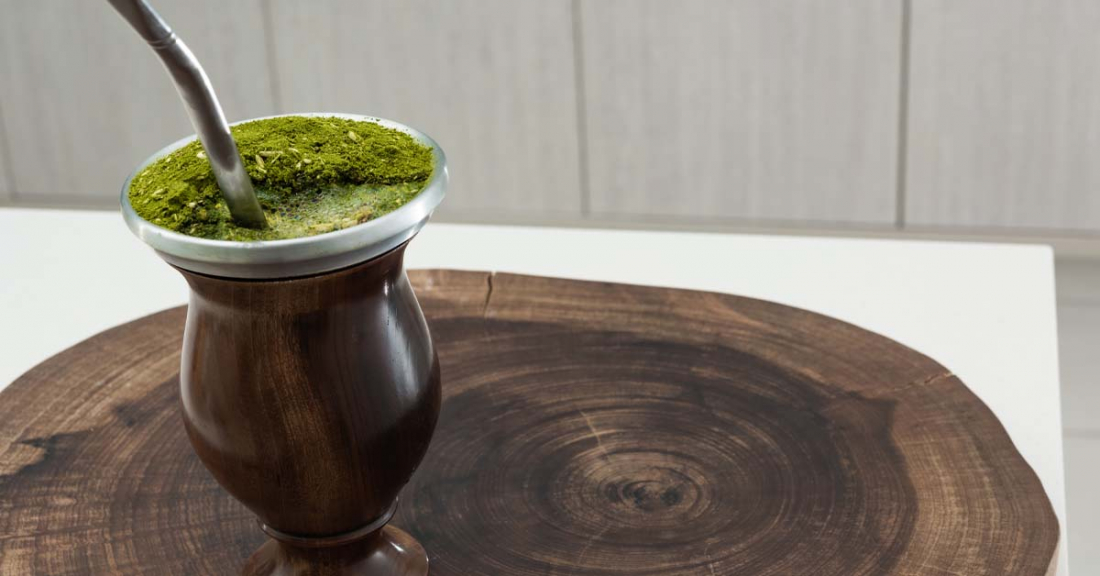
First of all, it is necessary to introduce maté to those of you who have not yet had the pleasure. Maté is a beverage made from the leaves and stems of the Paraguayan holly, an evergreen tree that grows up to 20 metres tall. Just as the tradition of drinking green or black tea has grown up in Asian countries in particular, the holly tree has performed the same function in the tropical regions of Brazil, Argentina, Uruguay and Paraguay. It has been shown to have been cultivated by the indigenous South African Guaraní Indians, who crushed the dried leaves, poured hot water over them and then drank them. And although for a time maté was almost forgotten, today its popularity is growing again, and it is even making a comeback with traditional equipment - maté is drunk using a straw called a bombilla made from a hollowed-out gourd called a calabasa.
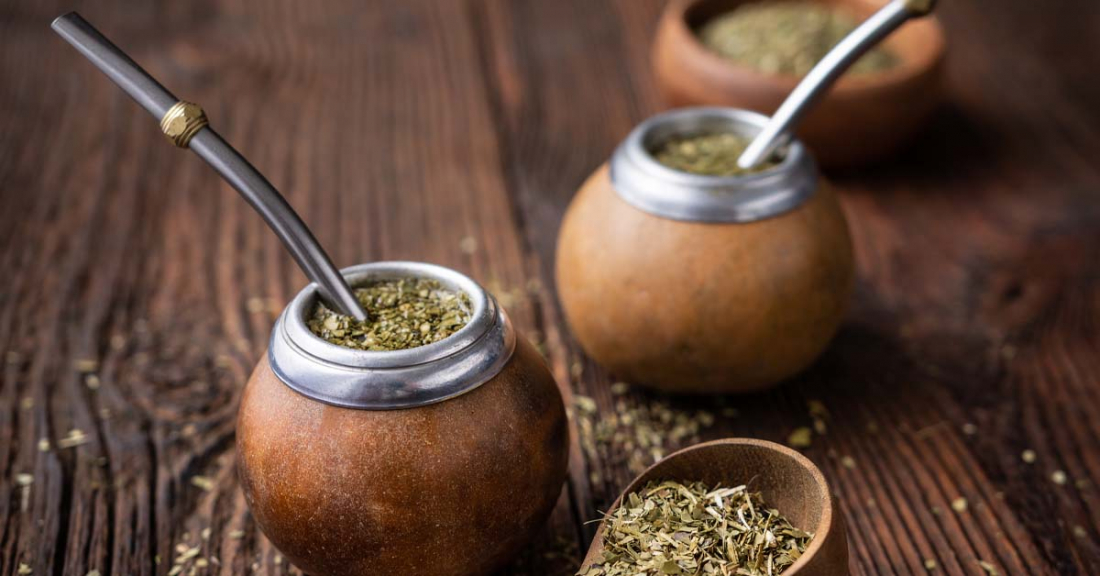
Bombilla and kalabasa are among the traditional instruments in which maté is served.
Why is maté experiencing such a trend?
Maté is just another natural beverage on an already extremely extensive list, where you might find coffee, rooibos or honeybush in addition to the aforementioned teas. So what makes maté so special? Does it have anything to offer at all, or is it just another money-maker? Let's take an objective look at the composition of this product so you can better understand the huge boom around maté.
Look for caffeine behind everything
One of the main reasons why maté's popularity has started to grow is, of course, its caffeine content. While this can vary depending on the amount of holly used, length of infusion and other factors, on average, according to available analyses, a quarter-litre cup of maté contains about 42mg of caffeine, which is more than tea but less than the average serving of coffee. In the case of caffeine (regardless of its source), then, scientific studies have come up with things like improved concentration, which is, after all, why most people reach for coffee in the morning, at work and other physically or mentally demanding activities. But beyond that, caffeine has been shown to be linked to sports performance or better fat burning.
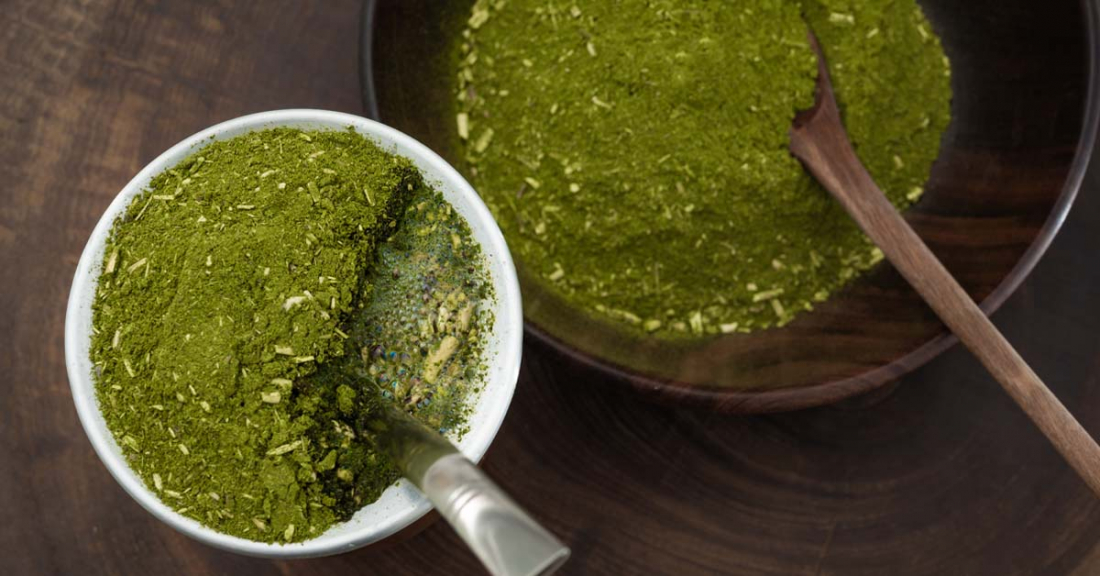
In terms of caffeine content, mate is slightly stronger than green or black teas, but slightly weaker than coffee.
Antioxidants, vitamins and other miracles
Leaving aside the benefits directly related to the benefits of caffeine, yerba mate boasts a range of vitamins, minerals, saponins and antioxidants that are incredibly attractive from a marketing perspective to the uninitiated. Vitamin C will help you maintain properly functioning immunity, the selenium contained is good for optimal sperm production, and vitamin E will protect your cells from free radicals. While these claims are true, the problem is that maté is probably not the best possible source. For example, 100 grams of apparently high-quality Paraguayan holly contains, according to nutritional analyses, about 20 milligrams of vitamin C. In practice, if you use 10 grams of maté per infusion, you get about two milligrams of vitamin C, which is a relatively negligible dose compared to the amount provided by fruits, vegetables, or vitamin C supplements.
Unusual taste
It could be said that the very specific taste that many people have become accustomed to is what attracts new users. Maté is not as bitter as coffee, but neither is it as bitter as tea. Yet it still retains a very intense and strong flavour with hints of smoke and earthiness. In addition, there are many ways to flavour maté - milk, lemon juice or even caramelised sugar can be used.
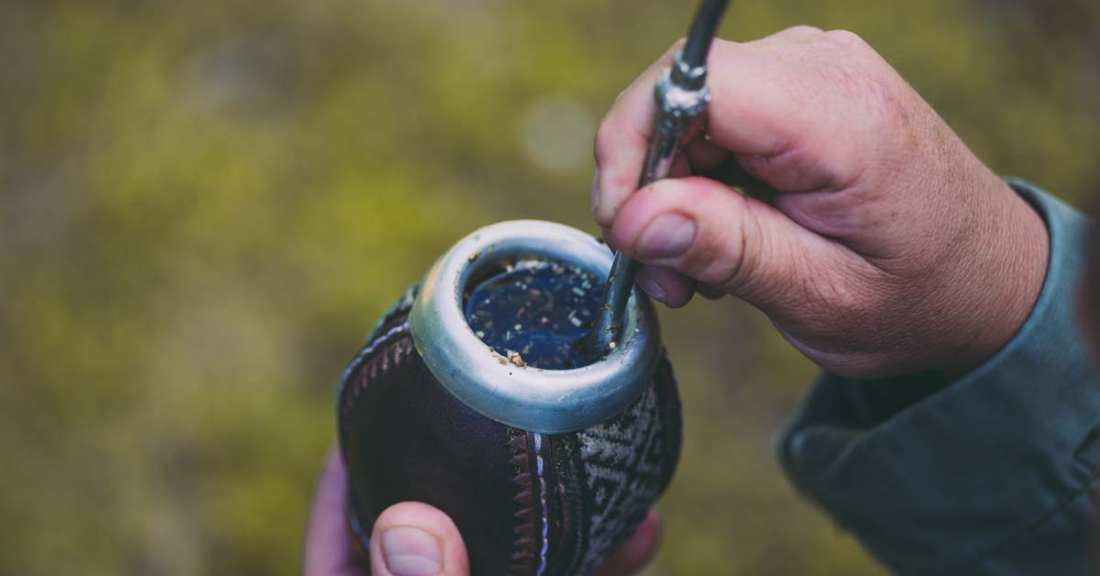
Taste-wise, maté is quite specific, but it is definitely worth a try and will find its supporters.
How does maté compare to the alternatives?
The aim of today's article is certainly not to denigrate maté in any way, although frankly we don't recommend believing everything you read about this drink. While it does contain healthful ingredients, there are certainly not enough of them to play any significant role in a balanced and varied diet. And when it comes to caffeine, we can compare it with several alternatives:
Maté or coffee?
Coffee contains more caffeine than maté, so if you're looking for the strongest possible drink, a good cup of Arabica or Robusta still wins. On the other hand, a smaller amount of this stimulant can be an advantage if you're not feeling very well and are experiencing negative effects such as shakiness or irritability. However, according to some sources, maté also contains substances that promote relaxation, and the caffeine it contains does not have the same negative effects as too much coffee, even in large quantities. So when coffee doesn't do you any good, maté can be an effective alternative.
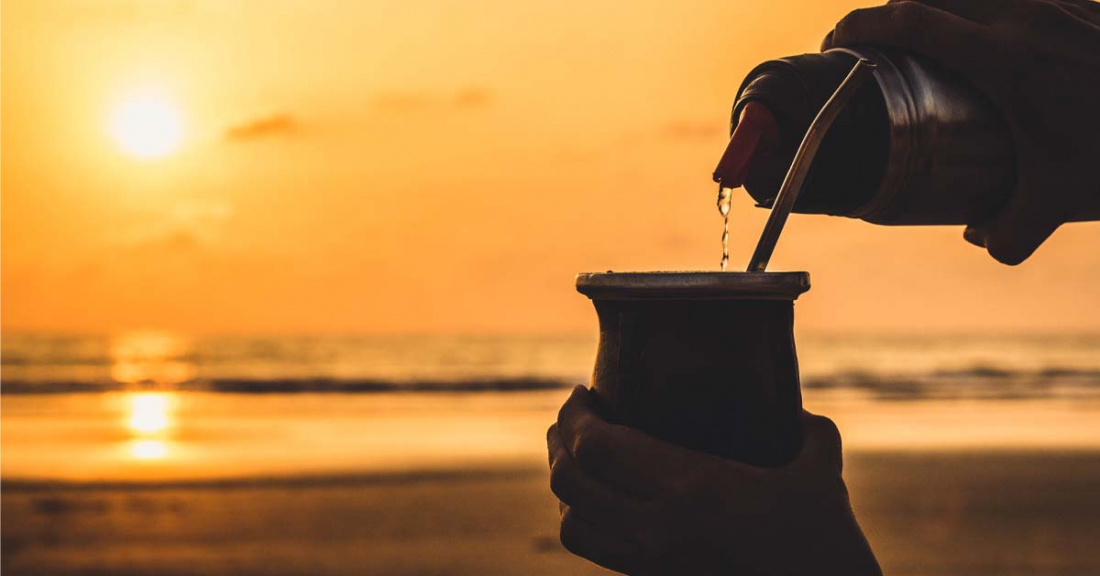
Maté has less caffeine than coffee and this can be a huge advantage for some people.
Maté or pre-workout?
Although pre-workout supplements, which we've discussed in detail in many videos and separate articles, are packed with several functional substances to delay fatigue as well as improve blood flow, some people prefer, for example, coffee, which primarily contains caffeine. If neither of these options suit you, try maté. You can definitely count on the stimulating effect of caffeine with maté, but forget about the better blood circulation or other benefits of kickers.
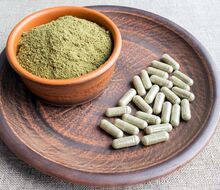
The controversy surrounding mate
Maté is a drink with quite a long history and its occasional use is considered safe. On the other hand, there are several studies that correlate regular maté drinking with a higher risk of cancer (especially oesophageal cancer). This may be because maté contains, for example, polycyclic aromatic hydrocarbons, of which cigarettes or grilled meat are common sources. In addition, you can't drink too much maté either, as you'll experience negative effects such as nausea, headaches and others that we mentioned in our guide to caffeine.
Drinking maté regularly can bring with it potential negatives.
Is maté worth a try?
Let's conclude this article by answering the most important questions you might have about maté:
- Is maté better than coffee? It is certainly not stronger in terms of caffeine content. But if you don't like coffee, either because of the taste or because it's too high in stimulants, maté can be a very pleasant change.
- Is it worth buying maté? Maté is unusual in terms of taste, but very good, and if you like to try new things, we definitely recommend trying it.
- Should I expect miracles from maté? Maté is actually very similar in composition to tea or coffee. While it has many ingredients, which some scientific studies have shown to be beneficial, most of the vitamins and minerals are present in very small amounts, so you are more likely to feel the negative effects of excess caffeine than the positive effects of vitamin C.
You can buy many different caffeinatedstimulantsin our shop !
Recommended
No posts have been made yet.








