When to eat protein bars?
 Author:
 Protein bars are a popular dietary supplement not only among athletes, but also among people looking for a quick and convenient way to increase their daily protein intake. They are a convenient snack that can facilitate recovery, muscle growth and weight control. In this article, we'll look at when to eat protein bars and what to look for when choosing them. In doing so, we draw on the latest findings from scientific studies to help you make the most of the potential of this popular supplement.
Article content:
- Why are protein bars so popular?
- When to eat protein bars? Why should I eat protein bars?
- What to look for when choosing protein bars?
- Practical tips for including them in your diet
- Final summary
Why are protein bars so popular?
- Plenty of protein in an easy-to-use form: protein promotes muscle growth and recovery. This makes a protein bar an ideal choice when you don't have the option to include a full meal rich in protein.
- A quick snack on the go: protein bars are usually durable and easily portable. You can keep them handy in your purse or backpack and reach for them whenever you feel hungry or need a quick boost of energy.
- Help with weight loss: a higher protein intake can help you feel fuller for longer, making it easier to control your calorie intake. Therefore, including protein bars can reduce snacking and the urge to reach for less healthy snack options.
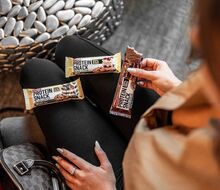
When to eat protein bars? Main situations and recommendations
After training for faster recovery
The most common answer to the question of when to eat a protein bar is immediately after training. Studies show that protein intake in the so-called anabolic window (i.e. within 30-60 minutes after physical activity) can promote muscle recovery and growth. A protein bar that contains enough high-quality protein (15-25 g per serving) will help to quickly replenish the necessary amino acids.
Among the meals to replenish protein
If you take long breaks between main meals, you may get hungry or have a sweet tooth. At such times, a protein bar is a convenient and comfortable choice to stabilize energy levels as well as ensure adequate protein intake. However, it's important to watch your sugar content and total calorie count, especially if you're trying to lose weight.
Morning or mid-morning snack
If you can't manage a protein-rich breakfast in the morning (e.g. eggs, cottage cheese or yogurt), the answer to when to eat protein bars may be simple: in the morning or in the morning as a quick form of protein snack. The bar will help keep your blood sugar stable and provide your body with the building blocks for muscle.
Pre-workout, when energy is lacking
Shortly before exercise, some people seek out a combination of carbohydrates and protein. If you choose a bar with a balanced ratio of both macronutrients, you can provide your body with both quick energy from carbohydrates and amino acids for muscle work. However, give preference to a quality formula so that the bar doesn't overwhelm you unnecessarily with simple sugars.
In the evening - yes or no?
Protein before bed can promote muscle recovery. If you choose a bar with a good quality protein (e.g. casein, whey) and low in sugar, it can be useful as a late snack. However, if you suffer from digestive difficulties, it is advisable to consider lighter sources of protein (e.g. Greek yoghurt).
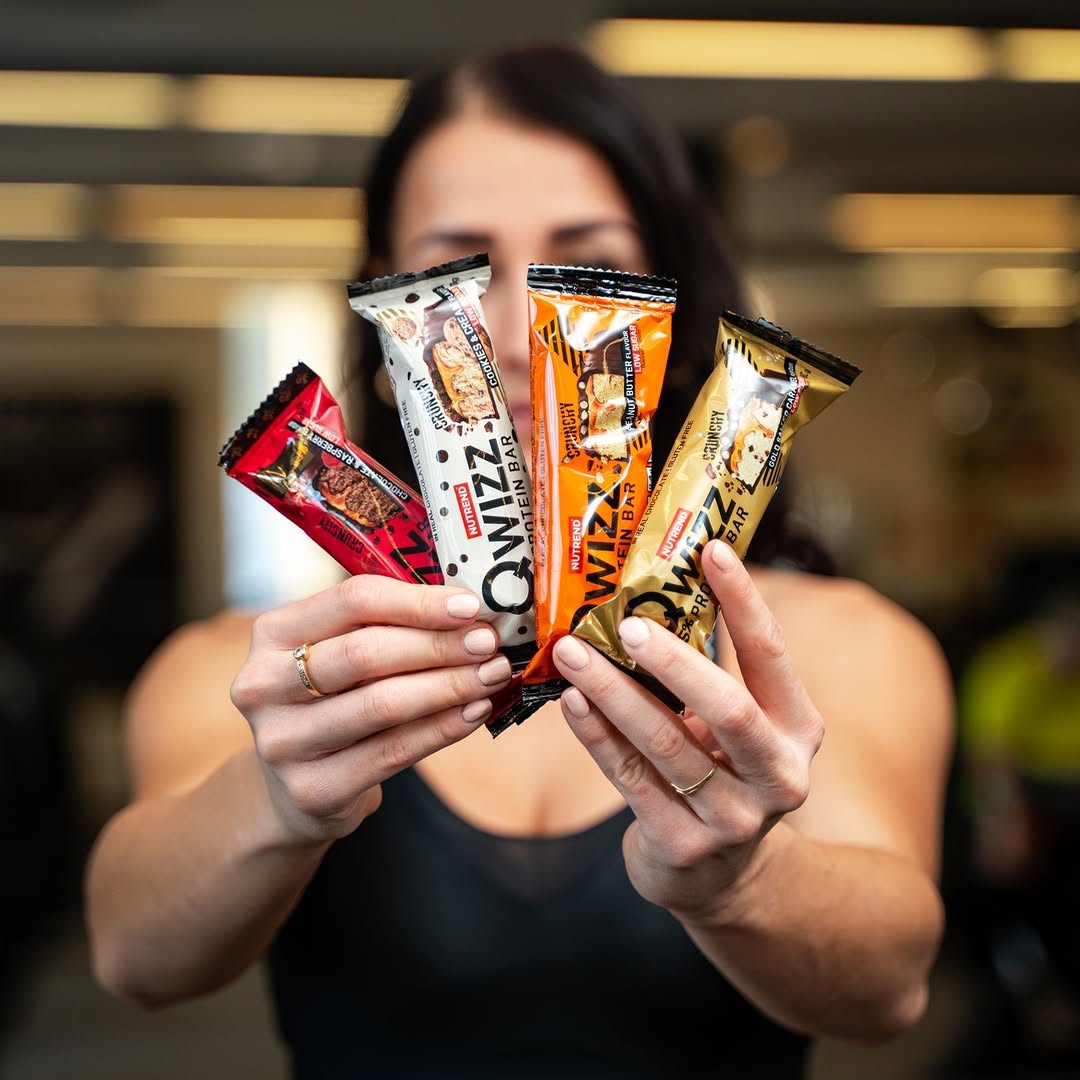
What to look for when choosing protein bars?
Quality and quantity of protein
Keep an eye on how many grams of protein a serving contains. The optimal range is usually 15-25 grams per bar. Also be interested in the type of protein blend - whey or casein are among the best to use.
Sugar and artificial sweetener content
Some bars can contain high amounts of simple sugars, which can lead to a rapid rise in blood sugar levels and subsequent fatigue or cravings for more sweets. So check labels carefully.
Added fats and calories
If you are watching your calorie intake, make sure the bar does not contain too much saturated fat or too much energy.
Fibre
Fibre helps prolong satiety and aids digestion. The ideal protein bar should contain at least 2-5g of fibre per serving.
Practical tips for inclusion in the diet
- Keep them handy: Keep a few bars in your car, bag or at work in case you miss a good meal.
- Combine with fresh food: A protein bar can be accompanied by a piece of fruit or vegetable to add variety and nutritional value to your snack.
- Consider your goals: when reducing weight, keep an eye on the number of calories and the amount of sugar. When building muscle, ensure adequate protein and energy intake throughout the day.
Final summary
The question of when to eat protein bars doesn't have a universal answer - it all depends on your lifestyle, training regime and eating habits. However, it is definitely true that when to eat a protein bar should be guided primarily by the logic of replenishing protein at a time when the body actually needs it:
- Post-workout to support recovery,
- Between meals as a healthier snack,
- Pre-workout for a combination of protein and carbohydrates,
- Before bedtime (if you are looking for a source of longer-release protein).
Always remember, though, that bars are only a supplement to a balanced diet, not its foundation. Read labels, watch the quality of the ingredients and don't be tempted by tempting packaging. When used correctly, protein bars can help with recovery, weight control and maintaining adequate protein intake throughout the day.
Recommended
Nutrend Excelent Protein Bar
Prom-in Essential Pure Bar
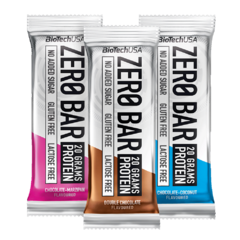
BiotechUSA Zero Bar
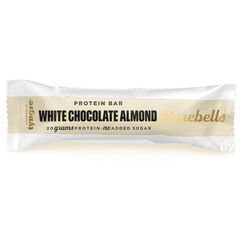
Barebells Protein Bar
Scientific resources:
- Devries, M. C., & Phillips, S. M. (2015). Supplemental protein in support of muscle mass and health: advantage whey. Journal of Food Science, 80(S1), A8-A15.
- Hoffman, J. R., & Falvo, M. J. (2004). Protein - Which is Best? Journal of Sports Science & Medicine, 3(3), 118-130.
- Jäger, R., Kerksick, C. M., et al. (2017). International Society of Sports Nutrition position stand: protein and exercise. Journal of the International Society of Sports Nutrition, 14, 20.
- Pasiakos, S. M., McLellan, T. M., & Lieberman, H. R. (2015). The effects of protein supplements on muscle mass, strength, and aerobic and anaerobic power in healthy adults: a systematic review. Sports Medicine, 45(1), 111-131.
- Res, P. T., Groen, B., Pennings, B., et al. (2012). Protein ingestion before sleep improves postexercise overnight recovery. Medicine and Science in Sports and Exercise, 44(8), 1560-1569.
- Tipton, K. D., & Wolfe, R. R. (2004). Protein and amino acids for athletes. Journal of Sports Sciences, 22(2), 65-79.
No posts have been made yet.