Are protein bars healthy?
 Author:
 Protein bars are nowadays a very popular dietary supplement not only among athletes and fitness enthusiasts, but also among people looking for a quick and convenient source of protein and energy. Whether it is a snack on the go or a partial meal replacement, it is worth considering whether protein bars are healthy and suitable for the general population? In this article, we will look at their composition, effects on the body, possible pitfalls and the results of scientific studies.
Article content:
- What are protein bars and how are they made?
- What are the benefits of protein bars?
- What to watch out for to consume them healthily?
- The answer to the key question: Are protein bars healthy?
- What is the right protein bar for you?
What are protein bars and how are they made?
Protein bars are usually composed of:
- Protein - most commonly whey concentrate, casein, soy or pea protein.
- Carbohydrates - can come from cereals, rice or oat flakes, or various syrups and sugars.
- Fats - can be naturally occurring (from nuts, seeds) or added in the form of vegetable oils.
- Additives - flavourings, sweeteners, thickeners, preservatives.
- Fibre - e.g. inulin, psyllium or other sources of fibre are added to improve satiety.
Manufacturers try to balance flavour, protein content and nutritional profile to make the product both attractive and functional. Often vitamins, minerals and various supplements (e.g. creatine or BCAAs) are also added to support athletic performance and recovery.
What benefits can protein bars have?
A quick and convenient source of protein: Protein is crucial for muscle growth and recovery. Consuming enough of it not only supports strength performance, but also bone and immune health. A protein bar can therefore be a convenient snack when you can't manage a full meal.
Helping recovery and promoting muscle growth: protein intake after exercise has been shown to promote muscle protein synthesis. Protein bars can replenish essential amino acids (especially leucine) that play a key role in muscle growth and maintenance.
Hunger control and blood sugar stabilization: higher protein intake is associated with a better feeling of satiety, which can help prevent overeating and maintain more stable blood sugar levels. Protein bars can thus work as a healthier alternative to quick sugar snacks.
Beneficial effect on weight maintenance: when consumed sensibly and in the context of a balanced diet, protein bars can support weight loss efforts. Protein helps to protect muscle mass during weight loss and can reduce evening "raids" on the fridge.
.jpg)

What to watch out for to consume them healthily?
- ✅Sugar and sweetener content. Too much intake of simple sugars can lead to blood glucose spikes and contribute to excessive calorie intake. Also watch out for sugar alcohols (e.g. sorbitol, maltitol, xylitol) which can cause digestive upset in more sensitive individuals.
- ✅Qualityand type of protein: Not all proteins have the same biological value and digestibility. Whey protein (whey) is considered one of the highest quality sources due to its high content of essential amino acids. Plant proteins (soy, pea) may be suitable for vegans or those with milk protein allergies, but often a combination of multiple sources is necessary to complete the full amino acid spectrum.
- ✅Fiber content: an ideal protein bar should contain at least 2-5 g of fiber, which slows carbohydrate absorption, increases satiety and promotes healthy digestion.
- ✅Fat and calorie content: Some bars may contain relatively high amounts of saturated fat or total calories, especially those that are more like dessert. If weight loss is your goal, watch the total energy and ingredients on the label.
- ✅Not a substitute fora complete diet: although protein bars can be a useful supplement, they should only be one part of a varied and balanced diet. Remember to eat fresh foods, vegetables, fruit, whole grains and good quality sources of protein (meat, fish, pulses, eggs).
- ✅Digestive problems in more sensitive individuals: Artificial sweeteners, sugar alcohols and some protein sources can cause gas, diarrhoea or constipation in people with a more sensitive digestive system. Each person reacts individually, so it is advisable to try several varieties and see how your body reacts to them.
The answer to the key question: Are protein bars healthy?
Whether protein bars are healthy depends primarily on their composition and your overall diet. A quality protein bar with low sugar, adequate protein and fiber can be a great way to replenish energy and nutrients, especially when you don't have time for a full meal. However, if you reach for products high in sweeteners, saturated fats or unnecessarily high in calories, then you can easily be tempted to overeat and put unnecessary strain on your body.
Summary:
- Read the ingredients on the packaging carefully.
- Choose bars that are low in added sugar and artificial sweeteners.
- Watch the quality and quantity of protein (ideally 15-25 g per serving, but always according to individual needs).
- Ensure adequate intake of good quality foods from other protein sources and other macronutrients.
- Remember that protein bars should complement, not replace, a balanced and varied diet.
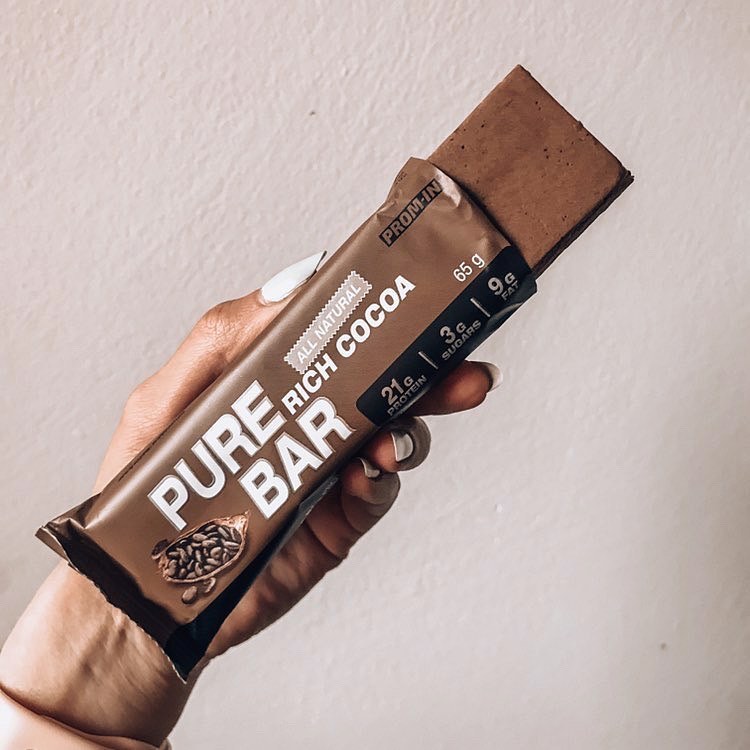
Recommendations for choosing the right protein bar
- Whey protein: Suitable for most people, quickly digestible, high biological value.
- Vegetable protein: Ideal for vegans or those allergic to dairy products. Combinations (e.g. rice + peas) are recommended for a better amino acid profile.
- Low sugar, sufficient fibre: Ideally under 5 g added sugar and min. 2 g fibre per serving.
- Balanced macronutrients: Around 200-250 kcal per serving depending on your goals and training regime.
- The shorter and clearer the ingredient list, usually the better.
Conclusion
So - are protein bars healthy? They can be beneficial as a quick snack or post-workout protein supplement. But it's important to read labels carefully, know your nutritional needs and see the context of your overall daily intake. If you incorporate them sensibly and pay attention to the variety of your diet, protein bars can become a handy part of a healthy lifestyle.
Recommended
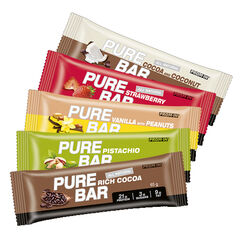
Prom-in Essential Pure Bar
BiotechUSA Zero Bar
Excelent Protein Bar 85g 4+1
Links to scientific studies
- Devries, M. C., & Phillips, S. M. (2015). Supplemental protein in support of muscle mass and health: advantage whey. Journal of Food Science, 80(S1), A8-A15.
- Hoffman, J. R., & Falvo, M. J. (2004). Protein - Which is Best? Journal of Sports Science & Medicine, 3(3), 118-130.
- Jäger, R., Kerksick, C. M., et al. (2017). International Society of Sports Nutrition position stand: protein and exercise. Journal of the International Society of Sports Nutrition, 14, 20.
- Pasiakos, S. M., McLellan, T. M., & Lieberman, H. R. (2015). The effects of protein supplements on muscle mass, strength, and aerobic and anaerobic power in healthy adults: a systematic review. Sports Medicine, 45(1), 111-131.
No posts have been made yet.