





What to support recovery after injury
 Author:
 In the last article, we explained the importance of diet and calorie intake during injury treatment. Today, we'll look at other things that can support treatment and help you make a successful return to training. Everything has its importance and as you will see below, treatment is not for a few days but is a long term controlled process in the body.
Although we view injury as chaotic (pain, swelling, dysfunction), biologically speaking, injury is an organized and consistent pattern of repair that is divided into three defined stages:
Inflammation - lasts 4-5 days for soft tissue, 2-3 weeks for bone damage.
Proliferation - new tissue formation and repair, which takes 2-3 weeks, 10-12 weeks for bone damage.
Remodeling - this phase comes after proliferation and can take up to 1-2 years. It involves the formation of new tissues that are as strong as the original tissues.
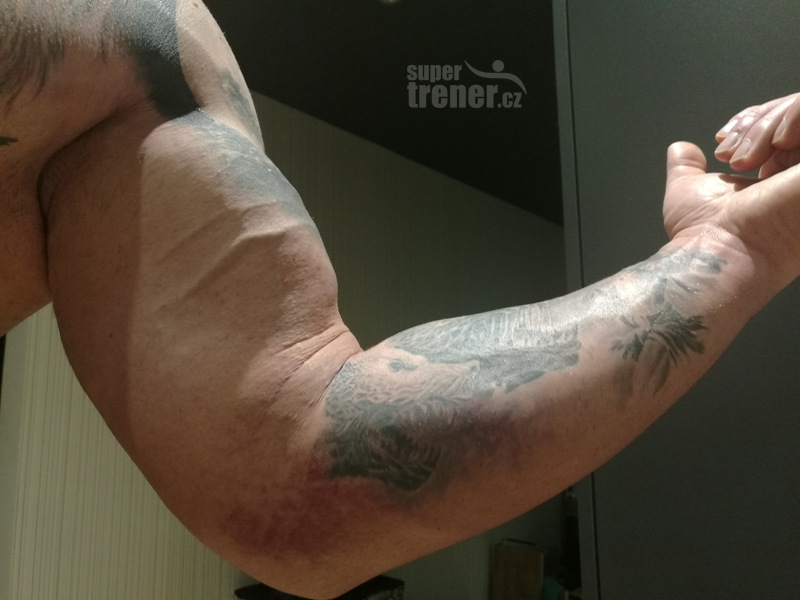
Use of herbs and phytochemicals to control inflammation
Since inflammation represents the most acute and problematic phase, one of the main goals of any wound treatment should be to manage the inflammatory process. While most people think that inflammation is a bad thing, it is important to know that the inflammatory process has its own importance and therefore behaviors that inhibit inflammation or blood flow to the injured area should be avoided. We should also avoid pro-inflammatory agents, as conversely excessive inflammation can increase overall tissue damage and slow the repair process.
With these goals in mind, it's time to think about how macronutrients and micronutrients can help manage inflammation, boost immune function, and place stronger replacement tissues more quickly.
In addition to a healthy fat balance (see previous article), certain foods and herbs can be very beneficial in managing inflammation. These herbs include:
CURCUM
Current research shows that the active ingredient curcumin, is responsible for the anti-inflammatory effects of turmeric. Turmeric is part of a spice called Curry, so you can start by adding this spice to your diet, although a much better strategy would be to add 400-600mg of turmeric extract 3 times a day for the purpose of managing inflammation.
READ MORE
Garlic inhibits the activity of certain inflammatory enzymes and macrophage function. Again, including garlic in the diet is a good start, but supplementing with 600-1200mg of extract probably works better.
BROMELAIN
This is another anti-inflammatory plant extract that comes from pineapple. It is best known for its digestive properties, however it also works great as an analgesic and is anti-inflammatory. Doses of around 500-1000mg per day should be sufficient.
BOSWELLIA
This tree extract also has anti-inflammatory properties and is usually taken 3 times a day in 300mg doses.
FLAVONOIDS
Cocoa, tea, red wine and some fruits and vegetables are high in anti-inflammatory flavonoids. Again, while increasing the consumption of flavonoid foods might be beneficial during the treatment of acute injury, extracts from blueberries, grapes or green tea, rutin and citrus extracts (hesperidin, naringin, etc.) lead to more pronounced anti-inflammatory effects.
Caution is necessary with all these nutrients, as the idea is to control inflammation, not to get it out of control and not to stop it completely during the acute phase of the injury, as suggested above. Inflammation too has its importance.
So the key is not to take all these anti-inflammatory supplements at once, but rather focus on foods rich in natural ingredients that affect inflammation, which I will list below, and only include supplements if inflammation becomes a severe or chronic problem.
Curry spices/turmeric, garlic, pineapple, cocoa, tea and blueberries.
Micronutrient needs
When it comes to injuries, all vitamins A, B, C, D as well as calcium, copper, magnesium, iron, manganese and zinc can play a significant role. Interestingly, vitamin E can slow healing, so it is recommended to avoid this vitamin during an injury.
Some of these micronutrients act in permissive roles and others may actually stimulate healing. Pending further research, there is still controversy as to whether this is merely a preventative measure for vitamin/mineral deficiencies or whether added vitamin and mineral supplementation may be beneficial.
So rather than discussing every vitamin or mineral that may impact injury recovery, let's just write about the ones that may require additional supplementation. The following vitamins and minerals appear to have benefits in acute injury:
Vitamin A - 10,000 IU daily for 2-4 weeks after injury
Vitamin C - 1000-2000mg daily for 2-4 weeks after injury
Copper - 2-4mg daily for 2-4 weeks after injury
Zinc - 15-30mg daily for 2-4 weeks post-injury
Other supplements
Supplementation of certain individual amino acids has been shown to have effects on injury healing. It should be noted that many of the studies described in this section have been conducted in either elderly or hospitalized patients. In both cases, malnutrition is common. It is therefore likely that the amino acid supplements listed below compensate for relative deficiencies rather than being added to a healthy diet that already provides adequate intake of these amino acids on its own.
ARGININ
Studies using arginine in rodents and humans have demonstrated the potential to increase collagen accumulation, reduce loss of body mass, and accelerate wound healing. Human doses have ranged from 15-30g per day, with higher doses having the greatest effect.
ORNITIN
Studies using ornithine in trauma/injury situations have shown that ornithine can shorten healing time and increase nitrogen retention. Human doses have ranged from 20-30g per day (10g 2-3 times per day) and again the highest doses have had the greatest effect.
GLUTAMINE
In one study, a combination of 14g of arginine, 3g of HMB and 14g of glutamine in two divided doses for 14 days, significantly increased collagen synthesis in adults.
HMB
Research has shown that HMB increases collagen deposition in rodents and improves nitrogen balance in injured adult patients.
Of course, as I stated, this may not be necessary in athletes who know how to eat and keep their diet right.
However, even in well-nourished individuals, it is likely beneficial to supplement these amino acids during a sports injury to stimulate collagen deposition and injury healing.
No posts have been made yet.








