





What is the best salt? Himalayan or regular?
 Author:
 You can find the claim that salt is one of the worst additives added to almost every food on various blogs or in posts by a number of influencers. However, as much as you may be against it, you have to admit that you can hardly eat most of your meals without it. So does it really make sense to be afraid of salt if you're an active athlete? And is it better to swap ordinary table salt for (often much more expensive) alternatives? We'll look at what scientific studies and common sense have to say in today's article.
Article content:
- What's the deal with salt in an athlete's diet?
- What kinds of salt can you find on the market?
- What can you take away from today's article?
What's the deal with salt in an athlete's diet?
When it comes to ordinary table salt, a little chemistry also comes in handy. From a chemical point of view, it is sodium chloride, a compound which, according to the weight of the individual molecules, contains about 40% sodium and 60% chlorine - but it should be noted that in our country a negligible amount of iodine is added to salt (about 0.1% by weight), which is necessary for the proper functioning of the thyroid gland. All three nutrients are absolutely essential for the functioning of most living organisms - they help to hydrate, transmit nerve impulses or activate certain enzymes.
How much salt is the ideal daily intake, you ask? According to the World Health Organization' s recommendations, the recommended daily intake is 5 grams of salt - that's one teaspoon for an adult. While this may seem like a relatively large amount at first glance, it's important to consider that salt is also found in sweets and other foods where you probably wouldn't expect it. At the same time, it is a little problematic that although excess salt is bad for your health, neither is a deficiency, which surprisingly can be behind, among other things, increased LDL cholesterol and in some cases even a higher risk of cardiovascular disease.
But it is important to know that athletes are entitled to a higher intake. According to the available information, heavy sweating can result in the loss of up to 5 grams of salt in one litre of sweat, which is an extremely high figure. When salt is lost from the body, hydration is impaired and therefore performance during training is impaired. To prevent this, many athletes add salt to their pre-workout drink as well. So if you are actively sweating during sport or work, your salt intake should be a little higher.
What types of salt can you find on the market? And are they any better?
So, now that you know you need to salt, you may be wondering what salt is ideal. After all, there is not just one 'ordinary' table salt on the market, but a whole range of different alternatives, all with different colours and usually higher prices. But what does science say about them? Are they really better?
Table salt
We have already said a lot about table salt in today's article, so perhaps a brief recap will suffice. It is a compound chemically called sodium chloride because 60% of its weight is chlorine and 40% is sodium. In our conditions, about 1% more iodine is added for proper functioning of the body (especially the thyroid gland). In this case, the salt, most often obtained from underground deposits, is crushed, ground and very often (if it is not pure enough) refined.
Sea salt
If the salt is not obtained from underground deposits but from sea water, which on average contains about 3.5% sodium chloride, it is called 'sea salt'. This is most often obtained by evaporating seawater from swollen channels by wind and sunlight. The resulting salt has a higher magnesium content and is praised by many gastronomy experts for its better taste. The problem, however, is the iodine content. Sea salt does naturally contain iodine, but unlike table salt, it is not possible to set a precise amount that all products can follow. Due to the different processing conditions, the iodine content also varies across products.
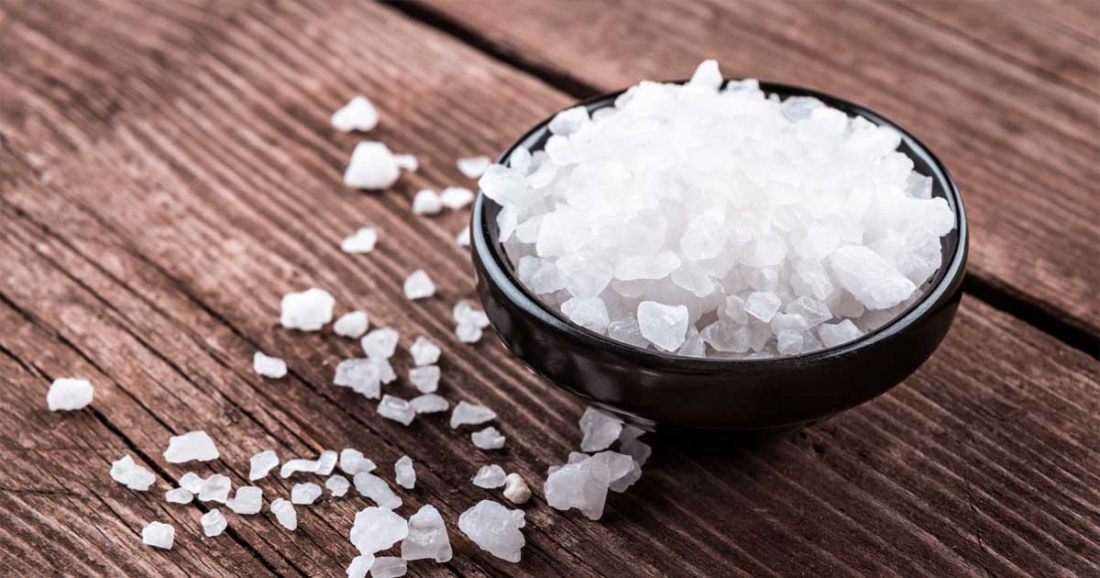
Sea flavour is often highlighted for its much better taste and ability to salt dishes.
Pink salt / Himalayan salt
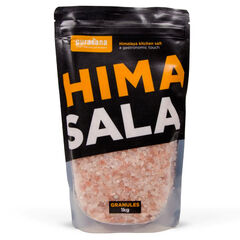
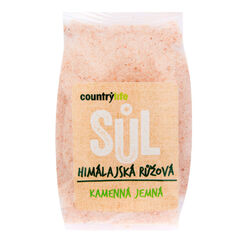
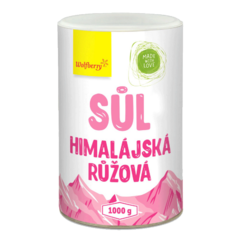
Pink salt, also sometimes called Himalayan salt, is sold by health food stores across the world, although it is not in principle any healthier. Why? According to expert sources, it is actually made up of an average of 98% 'ordinary' sodium chloride, with the remaining two percent being other minerals, but in terms of human nutrition, their representation is very small. Iron, which gives it its characteristic pink colour, is a notable exception. If you were to replace table salt with Himalayan salt, you would cover a fairly significant part of the DDD of iron intake. However, this would deprive you of the necessary iodine, which is present in Himalayan salt in much smaller quantities. Moreover, supplementing iron with salt is about as bad an idea as supplementing B vitamins with beer.
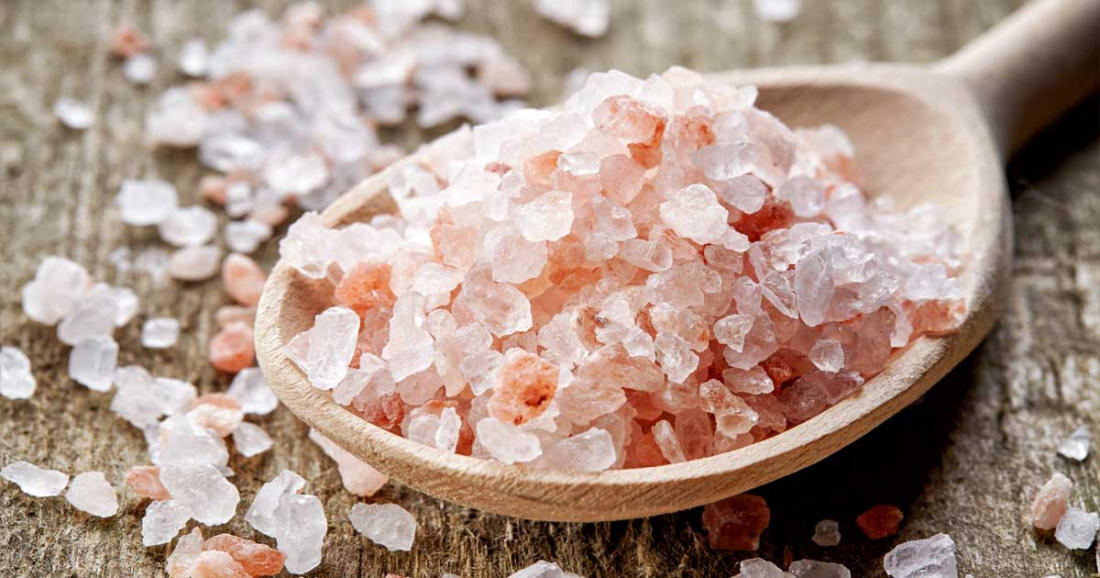
While pink salt contains more iron, it has much less iodine.
Black salt
Although many of you may never have heard of black salt, it has become increasingly popular in recent years. Two products fall into the black salt category. The first is Himalayan black salt, which is not very black and is more or less a darker shade of the pink salt we wrote about above. Secondly, it is the much more popular Hawaiian black salt, which has a very dark colour due to its activated charcoal content. This gives the salt an earthy and slightly smoky flavour that really makes it suitable for a range of dishes. But you can't expect a miraculously high vitamin and mineral content, just as you can't expect it with pink Himalayan salt. However, it is more than suitable for occasionally flavouring dishes with an already smoky and smoky taste.
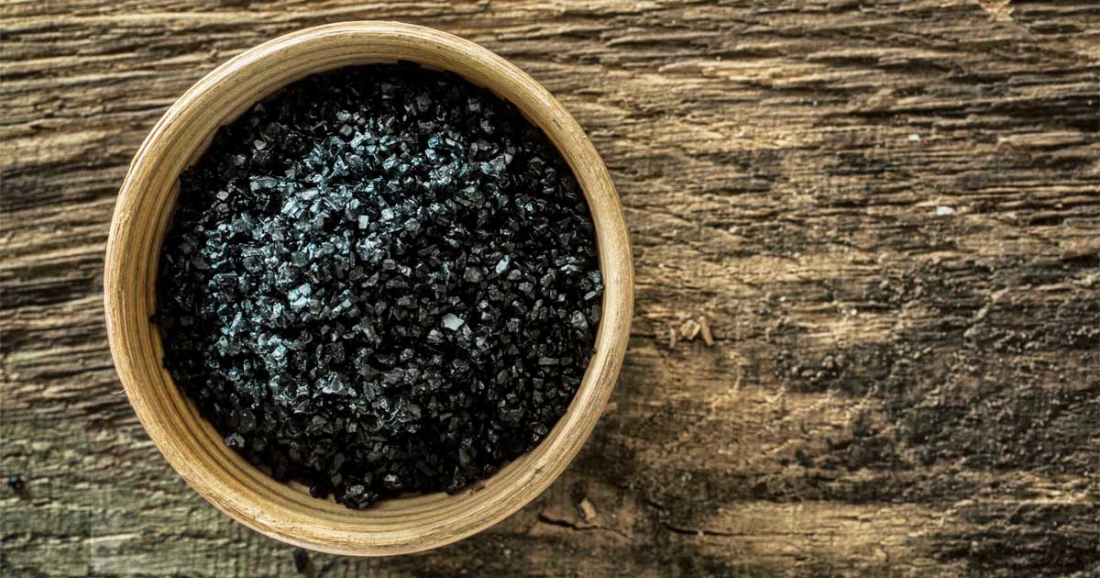
In addition to smoked dishes, you can try Hawaiian black salt, which gives them a specific but very good flavour.
What to take away from today's article?
The main thing you should take away from today's article is that as an active athlete who spends at least some time sweating every day in the gym, at work or anywhere else, you don't have to worry about increased salt intake (unless you have some serious health complications). However, despite the many marketing campaigns, we recommend that you bet on ordinary table salt, which is sovereignly the cheapest. Other salts may contain more minerals and vitamins, but they still don't pay off compared to the higher price. If you feel that you like these 'alternative' types of salt better, of course you can buy them and they certainly won't have any negative effects. In this case, however, it is important to remember that your body may be taking in less iodine than it actually needs and you may want to consider supplementing further.
Recommended
Zdravý den Himalájská sůl
No posts have been made yet.








