





What do the terms "cheat day" and "refeed" mean and is there a difference between them?
 Author:
 If you're trying to reduce weight, you've probably been advised to include a "cheat day" or "refeed". That you don't know what these terms mean, what actually happens during them, and which one is more beneficial during a reduction? So let's finally get it explained in this article!
Article content:
Theoretical window
REFEED is a term that figures quite prominently in fitness nutrition. For some it is actually an excuse when they eat more healthy food than they originally wanted, for others a refeed is a strategic and very carefully planned procedure that is part of their diet. But definitely don't imagine that you can eat two burgers instead of one on a refeed day and it's okay. That's definitely not how refeed works - so what is it?
Although there's actually no specific official definition that explains the term, refeed has a pretty specific place in nutrition. We can define it as a relatively short-term period in which we increase our caloric intake in a planned way. But here's the bottom line - we only increase the macronutrient or macronutrients, while honoring the principles of healthy eating. That is, we stick to the structure of the foods we eat in a deficit, we just increase the amount. A refeed might look like taking 1-7 days at a higher intake after a period of deficit - so for example, increasing the weight of side dishes for main meals by a little, including one more small meal, or having three slices of rye bread for breakfast instead of two. Refeed therefore means increasing your intake, but only with foods that are part of your normal deficit diet.
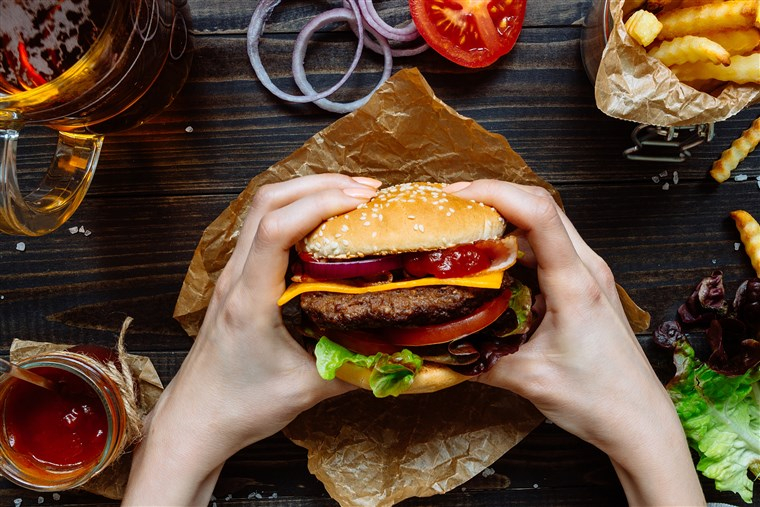
In contrast, CHEAT DAY stands for . In English "to cheat" means to cheat, and in Czech fitness parlance such a day is called "pig day." Why? This day can be defined as one in which you indulge in foods that you don't normally consume. For some people it's pizza, for others it's pastries, chocolate or other sweets, fast food, cold cuts, in short anything that you don't normally consume. If you choose a cheat day, a whole day of "pigging out", then the quantity of food will probably win over the quality. It is assumed that you will be in a significant caloric surplus.
The main reason why it is recommended to do a cheat day is that it supposedly jump starts your metabolism. In reality, however, this may not be true at all. You definitely may not feel better after a whole day of uncontrolled overeating. On the contrary, you may feel heavy, upset your gut biome and may actually do more harm than good. A much more sensible choice is a cheat meal - just one not-so-healthy meal a day.
So why do a refeed or cheat day?
The scientific treasure trove for why to include a refeed is pretty much logical. Due to the increase in calorie intake, there will be an increase in leptin and furthermore an increase in energy. Leptin is a hormone that influences the feeling of satiety. When carbohydrate intake, calories in general and therefore energy decreases - which is the basis for reducing body fat - the effect is to increase the feeling of hunger and in turn suppress the feeling of satiety. So the goal of a refeed, as an increase in intake, should ideally be to increase your leptin levels so that you can continue to run a deficit and make it more tolerable for you.
And in contrast, cheating stands as more of a band-aid in the sense that it allows you to take a break from checking, weighing food and watching macros for at least a day.This somewhat radical choice can bring positives - for example, it's been documented that the inclusion of cheat days results in increased levels of dopamine, a substance in the brain that evokes pleasure and satisfaction. On the one hand, this can help support your weight loss efforts.
 However, if you're in the midst of a reduction phase, a day of uncontrolled cheat days can actually do more harm than good. Now, you may be wondering what the difference really is - an increase in calories, as in an increase in calories. However, there is a difference, and it's quite marked, especially if your cheat turns into a cheat week. Plus, if these days are included too often in your reduction, it can set you back a nice few steps. It' s not like calories are calories! In fact, when you cheat, you're consuming almost exclusively junk food, and as mentioned in the previous paragraphs, quantity often trumps quality and you may end up consuming far more calories than you actually think.
Plus points for refeed! If you are in a long significant calorie deficit, your muscle carbohydrate stores are almost depleted. If you can set up your refeed correctly, you can only gain! In fact, if you choose the right strategy, your carbohydrate stores will be replenished for energy production rather than storing the calories you take in as body fat. In contrast is the cheat day, the concept of which will unfortunately encourage an increase in body fat due to an inappropriate mix of food intake rather than being beneficial in terms of energy replenishment. Furthermore, studies show that by consuming large amounts of fat on cheat days, leptin levels are reduced, and for up to 24 hours. This means that we eat more calories than is healthy because we are not sufficiently satiated.
And the winner is?
As you have correctly understood from the previous paragraphs - a much more beneficial and sensible strategy is to incorporate a cheat day, i.e. increase calorie intake but while maintaining the dietary composition, or to put it another and simpler way - add on healthy food. A cheat day does offer the benefit of "rest" for the brain and flooding it with dopamine, but that is about the only benefit. After a "pig day" you may feel bloated, give your digestion a major upset and maybe even gain back some fat. If you want to incorporate junk food, opt for the CHEAT MEAL option, which is the occasional consumption of one junk food meal per day, rather than going the route of all-day gluttony with everything possible.
But how to make such a refeed?
The point of a refeed day is to primarily focus on increasing carbohydrate intake and replenishing carbohydrate deficiencies, with a preference for increasing intake before and after training. It has been shown that a high carbohydrate diet can increase leptin levels, especially when compared to meals that are high in fat. As a result, your insatiable hunger or appetite may be temporarily suppressed for up to 24-48 hours, providing relief from the unwanted consequences of restricting caloric intake, such as hunger, fatigue or irritability.
A short-term increase in carbohydrate intake can also result in replenishing muscle carbohydrate stores, allowing you to train at a higher load and intensity, as well as giving you more energy due to the higher calorie intake . After training, feel free to reach for higher glycemic index carbohydrates , which have been shown to have a greater effect on leptin levels due to the correlation between insulin and leptin.
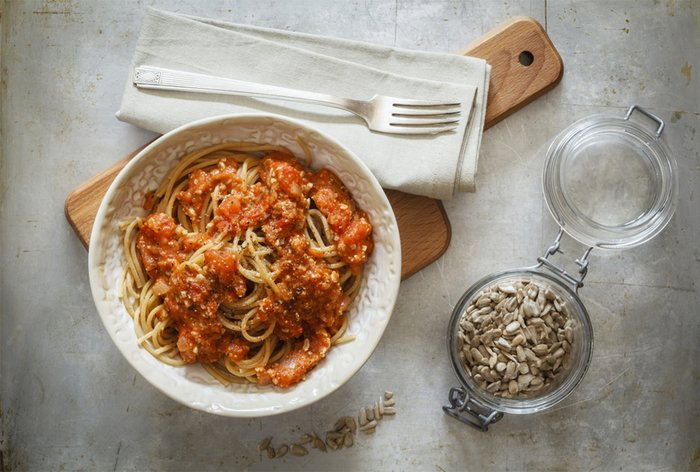
To compensate for the increase in intake due to the increase in carbohydrate intake, you can reduce fat intake during the refeed. This will further reduce the likelihood that fat stores will increase. And at the same time, this strategy will help you get the most benefit from the increase in leptin levels because, as we've already noted, carbohydrates have a greater effect on leptin than fat-containing foods. How much you increase your carbohydrate intake is practically up to you - some prefer to increase your intake to maintenance levels only, while others recommend increasing your carbohydrate intake above that level. Both of the above mentioned approaches are possible, and you will probably have to try for yourself which of the carbohydrate increase approaches will be the best one for you and suit you. Fats can be reduced by up to 25-30% during the refeed period .
Refeed doesn't make sense when you are consuming a number of calories at maintenance intake or even gaining. At such times, there is little point in supplementing carbohydrates or manipulating leptin levels and satiety. In fact, these indicators are probably within the normal range when you are maintaining or gaining intake .
What to take away from the article?
Today we explained the terms cheat day and refeed and the differences between them. A cheat day doesn't have many benefits, in fact none at all except for the effect on the psyche. We recommend choosing an approach with a balanced intake of macro and micro nutrients, with the caveat that you definitely don't have to consume a strict and bland diet! You can always indulge in some of the foods you love, even if they may not be completely "clean", and even without regrets! If you can plan your intake so that you can fit in some of those vices - whether it's chocolate or maybe a slice of pizza or a few rounds of salami, you've won. It's simply a matter of "knowing how to set it up". Many people advocate a system of 80% healthy eating and 20% vices, even in reduction! In fact, if you can manipulate your calorie balance (here, calorie intake and calorie expenditure) so that your food fits in properly and you can still lose fat, then this approach is actually fine.
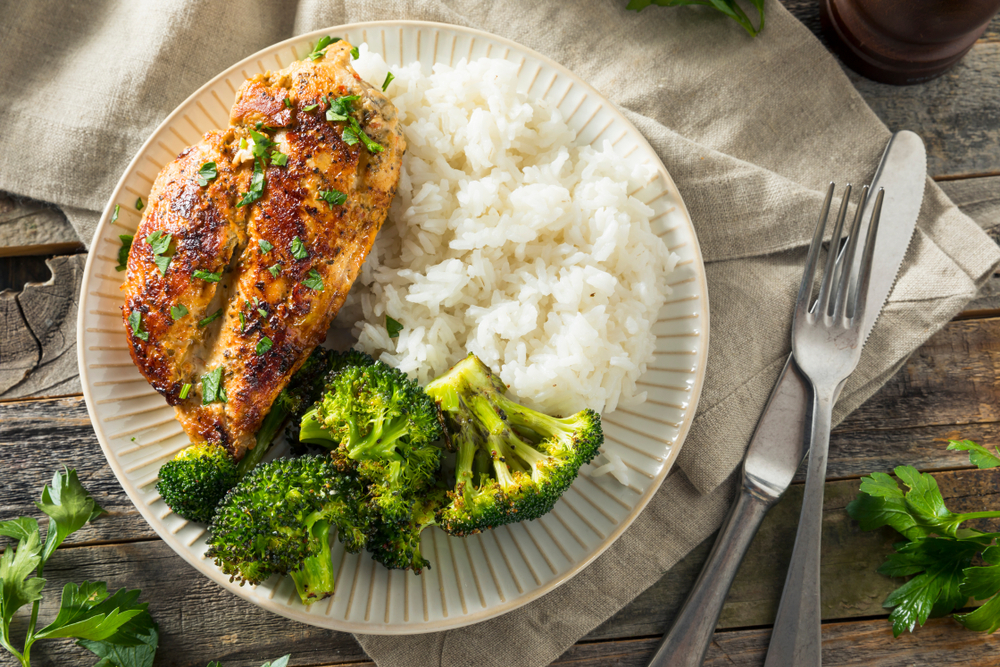
However, the key to overall health and successful weight loss, is to find a way of eating that you enjoy and that is sustainable for you in the long term! You don't have to eat dry rice with meat, but learn to cook meals that you enjoy, so that you don't eat the same thing over and over again, so that your diet is varied, colourful and balanced. In fact, if you can balance your intake properly, you shouldn't even feel the need to cheat. Be active enough and then even the occasional vices are okay. If you are in deficit for a long time, are tired, or your reduction has stalled, make a refeed day! But beware, even refeed has its rules. In particular, increase your carbohydrate intake during the refeed and reduce your fat calorie intake a bit. This will boost your performance, your reduction, and even get rid of the feeling of hunger.
Recommended

Nebbia Sportovní tepláky MUSCLE MOMMY 623

Nebbia Sportovní racer back podprsenka AGILE 471
Nebbia Dámské tvarující push-up legíny INTENSE Heart-Shaped 843
Nebbia Fitness legíny s kapsou DISCIPLINE 708
Sources:
https://www.ncbi.nlm.nih.gov/pubmed/10567012
https://www.ncbi.nlm.nih.gov/pmc/articles/PMC208820/
https://www.ncbi.nlm.nih.gov/pubmed/7598063
https://www.ncbi.nlm.nih.gov/pubmed/11743140
https://jissn.biomedcentral.com/articles/10.1186/1550-2783-11-7
https://www.ncbi.nlm.nih.gov/pubmed/10334310
No posts have been made yet.








