





Tryptophan: The key amino acid for healthy sleep and good mood!
 Author:
 One of the things that is often overlooked when people are trying to improve their overall health, have more energy, lose weight and sleep better is the optimal intake of amino acids from various protein sources. Amino acids, including tryptophan, which will be the main focus today, are the building blocks of protein, which is crucial for all (not just) active individuals, and without a sufficiently broad amino spectrum in our diets, we cannot survive, let alone thrive in any way.
From our previous articles, you will know that amino acids are divided into non-essential, which the body produces itself, and essential, which are those that the body does not produce itself and must be ingested through the diet. However, essential amino acids are absolutely essential in our body and therefore we need to make sure that we have an optimal intake of them.
Essential amino acids help to form the non-essential ones, but they are also very important for building and repairing muscle tissue, provide help with neurotransmitter functions, play a role in supplying the brain with enough energy and are also responsible for stabilizing blood sugar levels. Of these amino acids, tryptophan also plays an important role. So what is tryptophan and why do we need it so badly?
Article content:
- Theoretical window - what is tryptophan?
- The most important functions and benefits of tryptophan
- Tryptophan vs. melatonin - which substance promotes sleep more strongly?
- How much tryptophan do we actually need?
- The best food sources of tryptophan
- Tryptophan supplementation and side effects
Theoretical window - what is tryptophan?
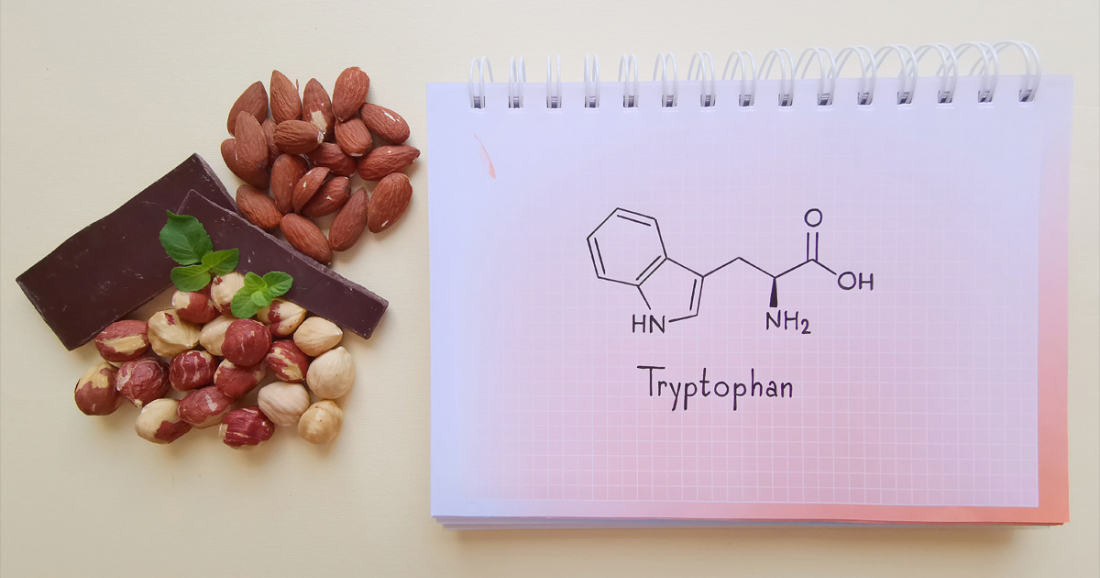
Tryptophan (also called L-tryptophan) is an essential amino acid that acts as a natural mood regulator because it has the ability for the body to naturally produce and balance certain hormones, especially serotonin, known as the happiness hormone. Increasing the intake of foods rich in this essential amino acid or taking supplements helps induce natural calming effects, induces sleep, helps fight anxiety and can also be helpful in burning body fat. Tryptophan has also been found to stimulate the release of growth hormone, and even reduce sweet cravings, and because of this it is also used in the treatment of sugar addiction.
An important by-product of tryptophan is 5HTP (5-Hydroxytryptophan), which acts in the brain and central nervous system to create a sense of well-being and calm. This is done by increasing the production of one of the human body's main hormones, serotonin. Serotonin is also a kind of chemical with calming effects that is released when we eat certain foods, such as carbohydrates, so tryptophan supplementation has been shown to help control appetite and make it easier to lose or maintain weight.
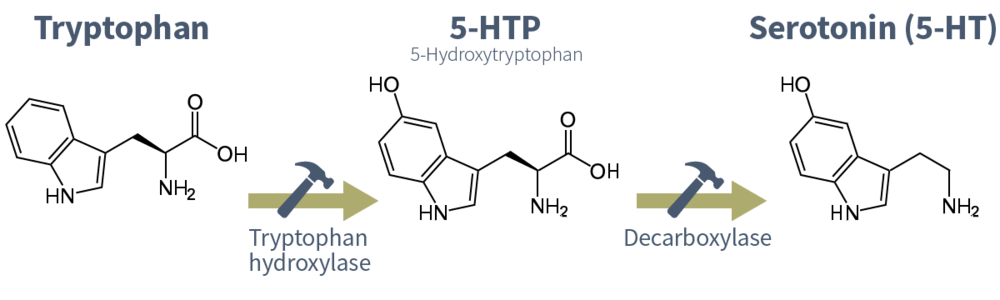
How do tryptophan, 5HTP and serotonin work? Serotonin works by transmitting signals between nerve cells and changing brain functions that affect our moods and sleep. In fact, tryptophan supplementation has been shown to reduce symptoms of depression, even better than many prescription drugs. Tryptophan is used to treat sleep disorders, anxiety, depression, migraines and headaches, and rarely for eating disorders or to relieve symptoms of menopause.
The most important functions and benefits of tryptophan
Helps improve sleep quality
There is multiple evidence that tryptophan has natural sedative effects that can help you sleep better, and this can ultimately improve your overall health. Lack of sleep is a risk factor for developing problems such as depression, decreased motor coordination, decreased concentration and memory, muscle pain, weight gain, and more.
Tryptophan is essentially a natural remedy that can improve the quality of sleep and reduce the incidence of problems associated with sleep apnea or insomnia, all without the need for prescriptions of sleep medications that can be addictive and have many undesirable side effects. This is because tryptophan is converted into serotonin and serotonin is further converted into melatonin, the sleep hormone that is essential for the quality of our sleep.

The most significant benefits for the treatment of sleep disorders with L-tryptophan have been found when using supplements, not just increasing consumption of dietary sources of tryptophan. Supplements have been found to help reduce the time it takes to fall asleep, improve mood the following day, and reduce cycles of sleep apnea during the night (periodic stopping of breathing at night).
Improves mood and helps relieve symptoms of depression
Not only can tryptophan help improve your sleep quality, but it has also been shown to be a natural mood enhancer that provides protection against depression, anxiety, and numerous negative symptoms associated with high levels of stress (such as irritable bowel syndrome, other diseases of civilization, and also heart disease).
L-tryptophan is a precursor to serotonin, so tryptophan is converted to serotonin in the brain and helps make other essential amino acids available, which helps regulate mood and reduce the production of stress hormones. Serotonin is not just any hormone, but it is the hormone of happiness and is responsible for our moods.

Some studies even suggest that L-tryptophan may have similar effects to antidepressants, but more research needs to be done in this regard to be truly sure of these effects. The results of the studies agree that taking l-tryptophan has a positive effect on reducing mood swings, irritability, restlessness, tension, and helping to eliminate sleep problems.
May help eliminate headaches and migraines
Studies have found that tryptophan deficiency worsens headaches associated with tension-related migraines, plus its deficiency can cause sleep problems experienced by many migraine patients. Increased brain synthesis of serotonin appears to offer natural relief from headaches and migraine symptoms such as light sensitivity, indigestion, pain and more.
May help maintain a healthy weight and improve athletic performance
Tryptophan, in both dietary and supplement form, can be a good aid for both fat reduction and weight maintenance. Increased levels of serotonin, which is made specifically by tryptophan, promote calmness, clarity of mind, control over cravings, and provide even better metabolic functioning that can support weight loss. L-tryptophan is essential for the synthesis of niacin (vitamin B3) through its role as a provitamin, and niacin is important for converting macronutrients in our diet (carbohydrates, proteins and fats) into usable energy that supports metabolism. Niacin is also a key vitamin for cognitive function, including the synthesis of important neurotransmitters and enzymes that control our appetite.
Another interesting benefit is that tryptophan helps improve physical performance and fights fatigue, which means it can motivate you to increase physical fitness and can help build regular exercise habits. Top athletes have used it for years because it is known to improve training results and help people build motivation to achieve their goals.

Tryptophan vs. melatonin - which substance promotes sleep more strongly?
L-tryptophan is an amino acid that plays a role in the synthesis of serotonin and melatonin, two hormones that are significantly involved in our natural sleep cycle and ability to control our stress response. Supplements containing melatonin are often taken to help people fall asleep more easily, feel generally calmer and wake up more rested, but they are not recommended for long-term use as this can affect how much melatonin the body can make on its own afterwards.
As we mentioned, tryptophan is the precursor to serotonin, from which melatonin is later formed. Supplementing with L-tryptophan can help you improve sleep quality and maintain higher energy levels during the day, much like supplementing directly with melatonin does, only a little more effectively, as it not only keeps the levels of serotonin produced during the day fairly constant, but also then also facilitates melatonin production at night. In other words, a higher intake of tryptophan improves our body's natural ability to feel tired at the right time, to fall asleep well and easily, and to ensure the quality sleep we so desperately need.
Compared to melatonin, L-tryptophan has other important roles other than inducing sleep, one of which is to support the immune system by acting as a precursor to chemicals called kynurenines, which help regulate immune responses and inflammation. When needed, L-tryptophan can also be converted in the body to niacin (vitamin B3), a type of essential B vitamin that helps support metabolism, circulation, a healthy central nervous system, and is very important for the production of enzymes needed for digestive function. Since lack of sleep can also lead to weight gain, logically tryptophan also has benefits for people who want to lose weight.

How much tryptophan do we actually need?
When it comes to determining the optimal dose of tryptophan, as with most nutritional aspects, it will be a very individual matter. That's because there are many factors that affect how much tryptophan is absorbed and utilized - age, weight and body composition, activity level, and gut health can all play a role. In general, if you are simply ingesting amino acids solely from food, not supplements, you are not at any significant risk of consuming excessive amounts of tryptophan, although supplements can increase this risk.

Research suggests that most healthy adults typically take in about 3.5-6 milligrams of L-tryptophan per kilogram of body weight during the day. Strict dieting, chronic exercise, consuming too few calories, excessive exercise, and any form of inflammatory gastrointestinal disorders or liver damage can lead to the absorption of less tryptophan and therefore a possible deficiency.
In general, however, if you eat a diet with sufficient caloric content, rich in a variety of protein sources (i.e., both plant and animal), it is very likely that you are taking in enough tryptophan. You can take a supplement or increase your intake from food sources when you experience irritability, moodiness, difficulty sleeping, or excessive fatigue.
The best food sources of tryptophan
The benefit of consuming tryptophan from natural food sources is slightly better absorption, and it can also provide additional benefits in the form of intake of other essential amino acids and healthy fats. Research shows that your diet can play a major role in whether you can synthesize enough serotonin and control your mood, sleep and stress response. In general, varying your protein and carbohydrate sources is key to getting enough serotonin. So try to keep your diet as varied as possible and include a variety of foods.
Food sources of amino acids, such as tryptophan, can increase serotonin production and also provide needed calories (energy) to prevent fatigue, low blood sugar, cravings, and other problems. One way to ensure that there is enough tryptophan and other amino acids in your diet is to take in about 20-30 grams of protein at each meal, varying the types of high-protein foods, as different protein sources offer different amino spectra.
Tryptophan is found in both plant and animal sources, but in general animal sources are more concentrated, plus animal sources are complete, meaning they contain all the essential amino acids we need.
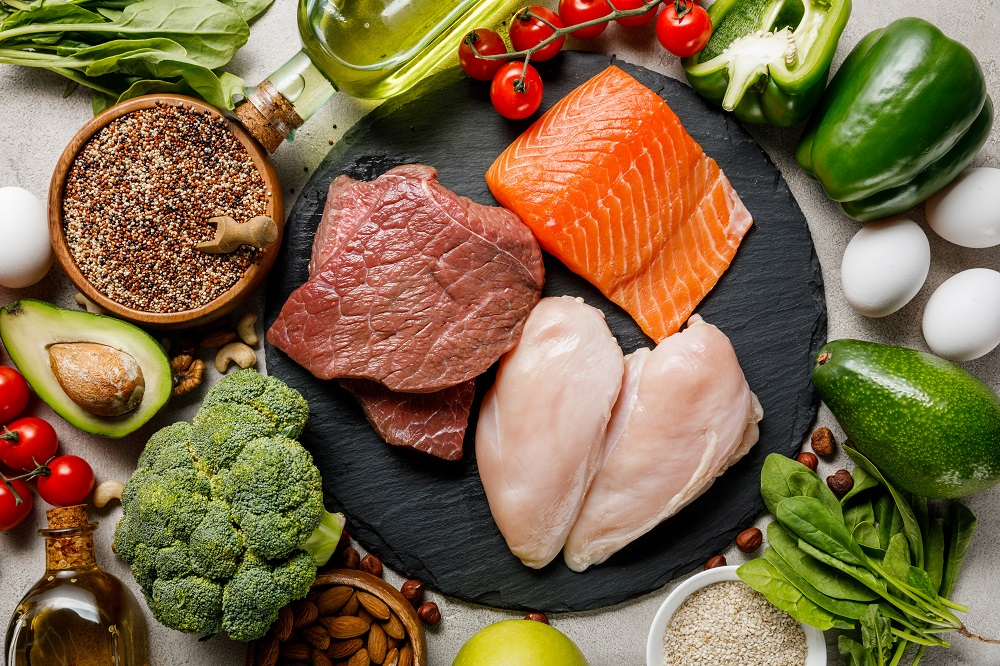
The foods that provide the most tryptophan, and therefore help increase serotonin levels, include:
- Eggs (especially white-shelled)
- spirulina
- fish such as cod and salmon, ideally free-range
- free-range poultry - ideally turkey, which is considered the best source of tryptophan ever.
- organic dairy products such as milk, yoghurt, cottage cheese or cheese
- sesame seeds, cashews and walnuts
- grass-fed beef or lamb
- oats, brown rice, maize or quinoa
- legumes - especially beans, chickpeas and peas
- potatoes
- bananas
Tryptophan supplementation and side effects
Some research suggests that consuming tryptophan through supplements may be a better way to increase serotonin levels compared to eating tryptophan-rich foods, due to the way the amino acid transport system works in the body.
Complete protein sources, i.e., those that contain all essential and non-essential amino acids, provide tryptophan along with many other essential amino acids that compete with each other to cross the blood-brain barrier simultaneously. Thus, tryptophan has a great deal of competition among other amino acids in most food sources of protein for selection and absorption in the brain; these foods do not always increase blood plasma serotonin levels as much as we would like.
For people who suffer from mood disorders or insomnia, tryptophan supplementation can be a good way to directly increase serotonin levels. You should start taking low doses at first and should observe side effects such as diarrhea, drowsiness, dizziness or headaches, or dry mouth.
Tryptophan taken as a dietary supplement also has the potential to cause serotonin syndrome if you combine it with sedatives or antidepressants, so if you are taking any medications for mood or depression, do not take tryptophan without first consulting your doctor. Supplements should also not be taken by pregnant women, breastfeeding women, or people with kidney or liver disease, as this can cause complications.
What to take away from the article?
Tryptophan is a very important essential amino acid that acts as a natural mood regulator because it has the ability to help the body naturally produce and balance levels of serotonin, the happiness hormone. Supplementing your diet with foods rich in tryptophan or taking supplements helps induce natural calming effects, has a positive effect on sleep, helps fight anxiety and can also help burn more body fat. Tryptophan also helps improve sleep quality, lifts mood, reduces depression and anxiety, aids in recovery from sugar addiction, reduces headaches and migraines, and helps maintain a healthy weight.
Recommended
Viridian L-Tryptophan
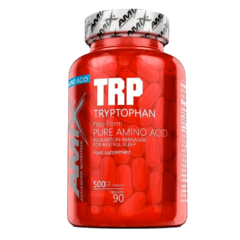
Amix L-Tryptophan
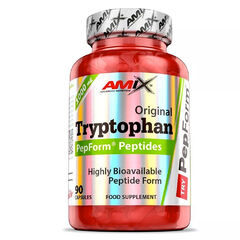
Amix Tryptophan PepForm Peptides
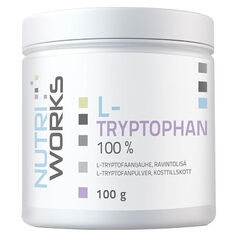
NutriWorks L-Tryptophan
Sources:
https://www.ncbi.nlm.nih.gov/pmc/articles/PMC4728667/
https://pubmed.ncbi.nlm.nih.gov/25078296/
https://lidtke.com/the-lidtke-letter-l-tryptophan-and-5-htp-a-comparison/
https://www.webmd.com/vitamins/ai/ingredientmono-326/l-tryptophan
https://pubmed.ncbi.nlm.nih.gov/16961791/
https://www.mayoclinic.org/healthy-lifestyle/adult-health/expert-answers/melatonin-side-effects/faq-20057874
https://academic.oup.com/ajcn/article-abstract/6/5/479/4729954
https://www.webmd.com/food-recipes/features/the-truth-about-tryptophan
https://aminoacidstudies.org/l-tryptophan/ https://pubmed.ncbi.nlm.nih.gov/9062869/
No posts have been made yet.








