





Three "modern phrases" for a healthy lifestyle under scrutiny
 Author:
 We see them in magazines, the internet is full of them and they are a frequently discussed topic in various discussions about healthy lifestyle and fitness. Which of the modern "phrases", advice and recommendations are really worth trying, which are just a waste of time and often not very suitable for a healthy body? Let's take a look at three hot favourites!
1/ Detox
Can't lose weight? Detox! Want to be more vital? Detox! Want to be healthy till death? Detox! Want world peace? Detox! Yes, according to the various articles and recommendations we can find on the internet, detoxification is indeed the key to solving (any) problem. The idea is that for a week - fourteen days, you will simply drink only vegetable juices, herbal teas, or just water. You will surely come out of this full of energy, enthusiasm and zest for life. :))))) Your reward then will be a perfectly clean, healthy body free of any toxins and a bonus of a few pounds off.
 Is this really necessary? Have you ever thought about what toxins you actually want to get out of your body? Do you think that water with lemon or herbal tea will actually get all those "chemicals" or added ingredients that we consume in food out of you? We'd probably even bet that if you ask someone about any toxin they are trying to eliminate through this very nutritionally beneficial (ironically meant) practice, they won't be able to name a single one.
Let's get one very basic piece of information out of the way. If your body has a healthy liver and kidneys (we refer to these organs as detox organs), then congratulations and you are one of the lucky ones who detox 24 hours a day, 7 days a week, 365 days a year. The human body is a magical machine and can "cleanse" continuously on its own, without any necessary, assisted and guaranteed detoxification techniques.
So the best detox is a healthy diet, exercise and plenty of drinking water. Even in the case of weight loss regimens, detox is not a good solution. In fact, the pounds lost due to total calorie restriction are often associated with up to several times the weight gain after the detox program is completed and you return to a solid diet. The only time you really need to detox is if you are taking any drugs. If you don't, then often such a program is instead a huge burden on the body, precisely because of the huge caloric deficit, putting the body in a state of stress.
2/ Cheat day
Or a free or pig day. You can read this advice on an internet discussion with a question like "I'm on a diet and I can't lose weight anymore, advise me how to start burning?" That's right, you can't lose weight, you have to chaeat to shock your body. Yes, you're definitely shocking the body, but most likely in a way it won't like. Another case where someone will probably recommend a cheat day is when you need to replenish energy. "Cheat day" from the Nagglish "cheating" is actually a day when you can have absolutely anything you feel like. Quite often, people take this to mean that they eat everything they can from morning to night, and the reward is not the desired satisfied feeling, but rather a bloated belly and nausea.
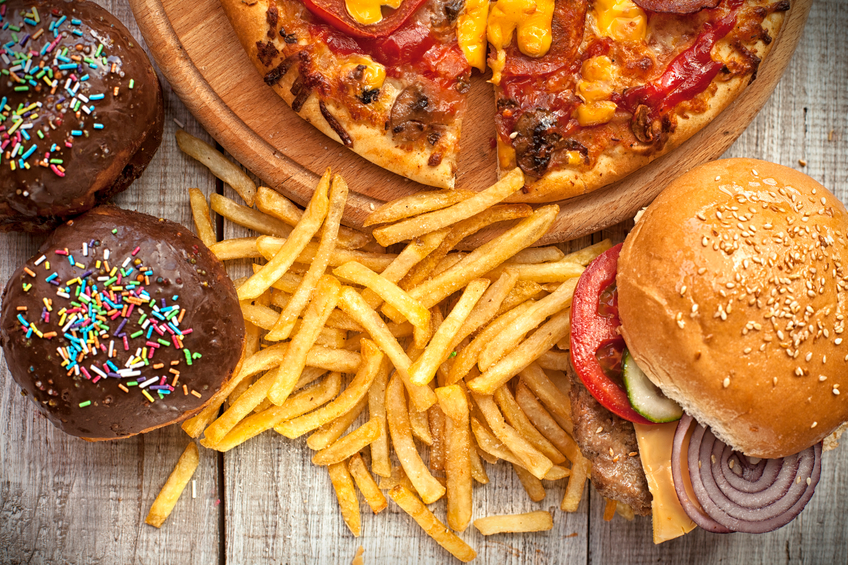
This piggy day probably originates somewhere in fitness competitors who follow long and very strict diets, and right after the race they go and stuff themselves with everything they couldn't eat during the diet. I'm sure you follow some fitness athletes and know that the first place they usually go after a race is the mecca. Then this day is also adapted by normal recreational athletes who are on some kind of diet during which they have cravings and so once every 14 days, month, week? They just make a day where they stuff themselves with whatever their diet doesn't allow and they like it. But is that a good thing?
Well, let's face it. A cheat day is not an option at all and it certainly won't jumpstart your metabolism. Eating unhealthy, fatty and fried food all day is more likely to give you an upset biome, indigestion and probably fatigue and fatigue due to high sugar intake. If you have a craving for some junk food, go for it! But one meal, don't "pig out" all day. A better option is called REFEED, which is increasing your intake with healthy food. Refeed is suitable if you have been in a calorie deficit for some time, have lost some pounds and stagnation has occurred. Then it is advisable to increase your current intake for one or more days, using the foods you normally eat in your regime, only in larger portions.
3/ Damaged metabolism
So we've probably all heard this legendary phrase. It's such an "explanatory" phrase for the moment when a person reduces their caloric intake to a very small number with the expectation of weight loss, which doesn't occur, or the opposite effect occurs, i.e. the person gains weight. Where to look for the cause? Well of course, a damaged metabolism.
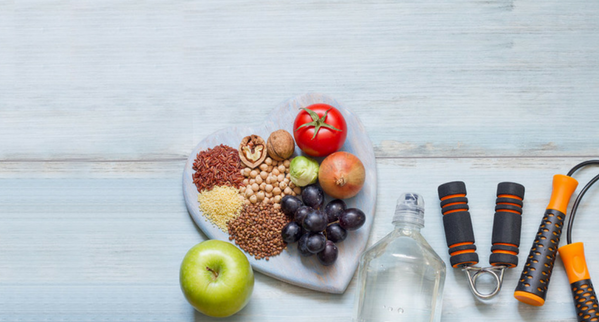
The truth is that most of the time there is no metabolic disorder, but the fault is found somewhere in the caloric intake or our own regime. In practice, it works like this: we set our calorie intake too low, even below our resting metabolic rate, supplement it with a brutal amount of aerobic activity and wait longingly for rapid weight loss. It sounds logical, little food, big expenditure.. so why doesn't it work and we don't lose weight? After a prolonged period of time practicing this regimen, the body adapts (adjusts) to the extreme caloric deficit and large energy expenditure to the point that the basal metabolic rate is reduced and the body simply tries to store the energy received so that it can continue to withstand this stressful condition and the functions of all organs are preserved.
This "damaged metabolism" is therefore the result of our own mistakes, which we voluntarily make by an inappropriate exercise program and an inadequate dietary strategy. If something like this happens, it is advisable to start to gradually increase your intake and get to a point where the body is able to function regularly. So if you are starting to lose weight, always start at a HIGHER calorie intake and cut back if necessary, rather than starting at an extremely low calorie count and having no place to cut back when the fat loss process stops.
No posts have been made yet.








