The Big Guide to Taking Vitamin D: How, When and How Much
 Author:
 Vitamin D is one of the most important nutrients that play a key role not only in bone and immune health, but also in the overall vitality of the body. Proper use of vitamin D is especially essential for athletes, the elderly and anyone trying to maintain optimal health. In this article, our information is based on scientific studies to provide a detailed overview!
Article Content:
- Why is vitamin D so important?
- What is vitamin D for?
- Why vitamin D is crucial for athletes and active individuals
- How best to supplement vitamin D
- When to take vitamin D and when to take vitamin D?
- Recommended daily dose of vitamin D3
- Practical tips for effective vitamin D supplementation
Why is vitamin D so important?
Vitamin D, also known as the 'sunshine vitamin', plays a vital role in regulating calcium and phosphorus in the body, which is crucial for bone and dental health. In addition, it has a positive effect on the immune system, hormone balance and even affects mood and cognitive function. Vitamin D deficiency has been linked to a number of health problems, including osteoporosis, a weakened immune system and an increased risk of chronic disease.1
What is vitamin D for?
Vitamin D is essential for the proper function of many bodily processes. These include:
- Bone and dental health: it promotes the absorption of calcium and phosphorus, helping to maintain bone strength.
- Immune system: Has anti-inflammatory properties and supports the body's defenses against infections.
- Cardiovascular health: Some studies suggest that vitamin D may help regulate blood pressure.
- Cognitive function and mood: Vitamin D is associated with improved mood and cognitive function, which is especially important during periods of stress or physical exertion.2
Why vitamin D is crucial for athletes and active individuals
Athletes and people with active lifestyles have higher requirements for muscle recovery and maintenance. Vitamin D plays an important role in this process:
- Supporting recovery: sufficient vitamin D intake improves muscle recovery and reduces the risk of injury.
- Increase strength and performance: Some studies show that athletes with optimal vitamin D levels perform better and have a lower risk of fatigue.
- Immune function: Active athletes are exposed to increased stress and strain, which can weaken the immune system. Vitamin D helps keep the immune system in optimal condition, which reduces the risk of infections and improves overall performance.3
How best to supplement vitamin D
There are three main ways to best supplement vitamin D:
Sunlight
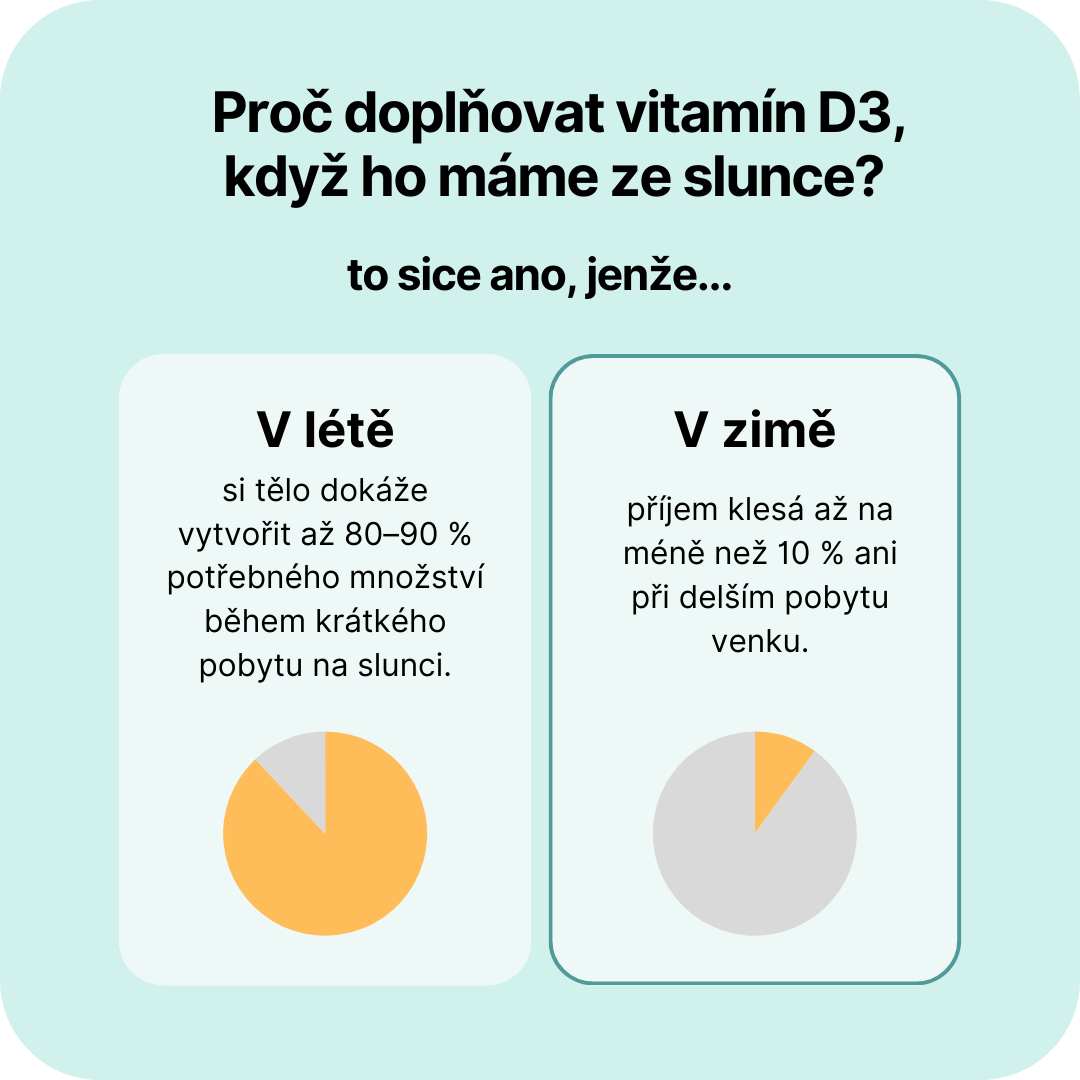
The most natural source of vitamin D is sunlight. When exposed to UVB radiation, vitamin D is synthesized in the skin. At least 10-15 minutes per day of direct sunlight on the face, hands and feet is recommended, but this amount can vary depending on geographic location, season and skin type. However, if you live in an area with limited sunlight, this may be insufficient.
Food
Some foods are rich in vitamin D, such as oily fish (salmon, mackerel, sardines), fish oil, eggs and fortified dairy products. Although it is possible to obtain vitamin D from food, the amount in common foods often does not cover daily needs, especially in athletes.
Supplementation
For those who need to ensure adequate intake, supplementation is the ideal solution. Supplements with vitamin D3 (cholecalciferol) are the most effective as this form is the most absorbable. The product should be chosen based on the recommended daily dose, which is usually between 600-800 IU per day for adults, but may be higher for athletes or those with deficiencies. When choosing a supplement, you will often be asked how much vitamin D per day you should take - this depends on individual needs, blood tests and lifestyle, so it is advisable to consult a supplementation expert.4

When to take vitamin D and when to take vitamin D?
The answer to the question of when to take vitamin D depends on several factors such as daily routine, diet and individual needs. It is generally recommended:
- Breakfast or morning dose: Taking vitamin D in the morning or mid-morning helps to set hormonal rhythms and promotes overall energy during the day.
- Before meals: Some studies suggest that vitamin D is better absorbed when taken with a fat-containing meal. Therefore, it is advisable to combine supplementation with a balanced breakfast that contains healthy fats.
- Regularity: The key is regular vitamin D supplementation should be part of your daily regimen, whether you are an athlete or an active individual.
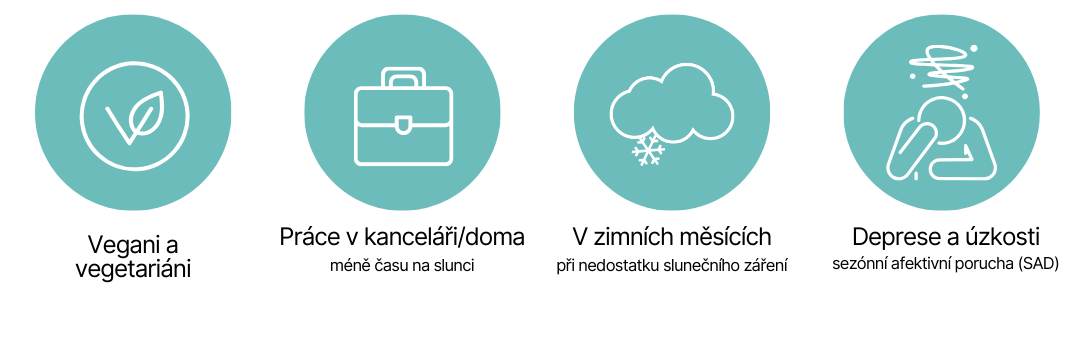
When is Vitamin D3 most needed?
How best to supplement vitamin D
In addition to taking supplements, you can supplement vitamin D through diet and sun exposure, as mentioned above. A combination of these methods is often the most effective. Be sure to supplement vitamin D along with fats that support its absorption, and monitor your vitamin D levels regularly with blood tests so you can adjust your daily dose of vitamin D to your individual needs.
Recommended daily dose of vitamin D3
The question of how much vitamin D you need daily varies by age, gender, health status and lifestyle. For most adults, a daily dose of vitamin D3 between 600 and 800 IU is recommended. For athletes and people with proven deficiencies, the need may be higher - sometimes up to 2,000 IU per day. Therefore, it is important to know how best to supplement vitamin D based on your specific needs and to consult with a doctor or nutritionist. When choosing a supplement, be sure to pay attention to the quality of the product and follow the recommended daily dose of vitamin D3 to ensure optimal vitamin D levels in your body.5
GymSupps Vitamin D3 vs. competitors

Practical tips for effective vitamin D supplementation
Here are some tips to help you maximize the benefits of vitamin D supplementation:
- Regularity is key: Take vitamin D at the same time every day to maintain stable levels in your body.
- Consume with fats: For better absorption of vitamin D, it's ideal to take it with foods that contain healthy fats, such as avocados, nuts or olive oil.
- Take advantage of sunlight: If possible, supplement vitamin D with natural sunlight - at least 10-15 minutes a day on your face, hands and feet.
- Monitor levels: Regular blood tests can help you see if your vitamin D levels are at optimal levels, and you can adjust your daily vitamin D intake accordingly.
- Timing: Decide when to take your vitamin D - in the morning, when it will help set your energy rhythm, or in the evening, when your body is recovering. Both options have their benefits, but the main one is consistency.
- Consult a professional: If you have specific health issues or are unsure what the recommended daily dose of vitamin D3 is ideal for you, consult your doctor.
Conclusion
Vitamin D is essential for overall health and vitality, affecting not only bone strength and immunity, but also overall well-being. Proper supplementation can really change the way you feel every day - from increased energy to better recovery after a tough workout. This guide has given you a comprehensive look at how to look after your vitamin D regime so your body can reap its full benefits.
Think of it as an investment in your health and well-being; regular care and a balanced diet can lead to better results not only in sport, but also in everyday life. Pay attention to your body, listen to its signals and don't be afraid to seek expert advice. Your health is your greatest asset, and taking good care of it can open the door to a better and more joyful life.
Recommended
Czech Virus Vitamin D3

GymSupps Vitamin D3
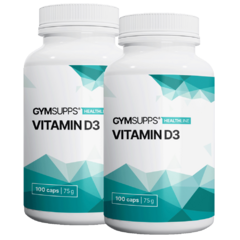
Vitamin D3 100cps 1+1
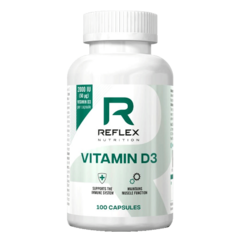
Reflex Vitamin D3
Links to studies
- 1) Holick, M.F. (2007). Vitamin D deficiency. New England Journal of Medicine.
- 2) Kennel, K.A., Drake, M.T., Hurley, D.L. (2010). Vitamin D deficiency in adults: when to test and how to treat. Mayo Clinic Proceedings.
- 3) Pludowski, P., et al. (2013). vitamin D supplementation guidelines. Journal of Steroid Biochemistry and Molecular Biology.
- 4) Wacker, M., Holick, M.F. (2013). Sunlight and Vitamin D: A global perspective for health. Dermato-Endocrinology.
- 5) Bischoff-Ferrari, H.A., et al. (2006). Fall prevention with supplemental and active forms of vitamin D: a meta-analysis of randomised controlled trials. BMJ.
No posts have been made yet.