Effect of vitamin D on immunity
 Author:
 In recent years, vitamin D has become a topic of interest not only for nutritionists but also for the general public. Its importance goes far beyond its traditional role in regulating calcium metabolism and skeletal health. Modern scientific studies confirm that vitamin D is one of the key players in the body's defence mechanism against infection and inflammation. Therefore, this article aims to introduce how vitamin D works, what are its main benefits and how to ensure sufficient amounts of this essential vitamin in the diet and through sunlight.
Article content:
- Introduction
- The role of vitamin D in the immune system
- Scientific studies and clinical evidence
- Sources of vitamin D
- How to properly supplement vitamin D to support immunity
- Other health benefits of vitamin D
- Practical tips
An introduction to vitamin D
Vitamin D is a unique nutrient because our bodies can synthesize it under the influence of sunlight. Yet many people suffer from a deficiency, especially in geographical areas with limited sun exposure. Vitamin D deficiency is associated with a number of health problems, including weakened immunity, increased susceptibility to infection, chronic inflammation and autoimmune diseases. The scientific community is therefore continually investigating how vitamin d can affect the body's overall immunity and how optimal levels can help prevent a range of diseases.1
The role of vitamin D in the immune system
The immune system is a complex network of cells and molecules that work together to protect the body from pathogens. Vitamin D primarily influences immunity through the following mechanisms:
1. Modulation of immune cells
Vitamin D affects the function of various types of immune cells, including macrophages, dendritic cells, T-lymphocytes and B-lymphocytes. This modulation is essential for maintaining the balance between pro-inflammatory and anti-inflammatory processes. Studies show that optimal levels of vitamin D help reduce excessive immune responses that could lead to autoimmune diseases, while also promoting immunity against infections.2
2. Activation of antimicrobial peptides
One of the key mechanisms by which vitamin D acts is by inducing the production of antimicrobial peptides such as defensin and cathelicidin. These substances are part of the body's natural defences and have the ability to destroy bacteria, viruses and fungi. Activation of these peptides helps the body to respond quickly to pathogens and prevent their spread.3
3. Regulation of inflammatory processes
Vitamin D is also anti-inflammatory. By influencing cell signalling, it reduces the production of pro-inflammatory cytokines such as interleukin-6 or tumour necrosis factor alpha (TNF-α). This effect is particularly crucial in people suffering from chronic inflammatory diseases, where an exaggerated immune response can lead to long-term tissue damage.
Scientific studies and clinical evidence
Study 1: Vitamin D and prevention of respiratory infections
Research published in a reputable journal looked at the relationship between vitamin D levels and the incidence of respiratory infections. The authors of the study found that people with lower vitamin D levels had a significantly higher risk of upper respiratory illness. Vitamin D supplementation in these individuals led to a significant reduction in the incidence of infections. This result underscores the importance of vitamin D on immunity, especially during periods of limited sun exposure.1
Study 2: Vitamin D and autoimmune disease
Another important study looked at the effect of vitamin D on autoimmune diseases such as multiple sclerosis, rheumatoid arthritis and type 1 diabetes mellitus. The results showed that optimal vitamin D levels can help reduce immune aggressiveness and contribute to disease stabilization. These findings suggest that vitamin D may also play a preventive role in the development of autoimmune conditions.2
Study 3: Vitamin D and immune response in the elderly
In the elderly population, who are often at higher risk for infections, a study yielded positive results in supplemented individuals. Increasing vitamin D levels led to a stronger immune response and a reduction in the frequency of infectious diseases. The results of this study support the idea that adequate vitamin D consumption is crucial for maintaining immune health in advanced age.3

Sources of vitamin D and how to achieve optimal levels
Sunlight
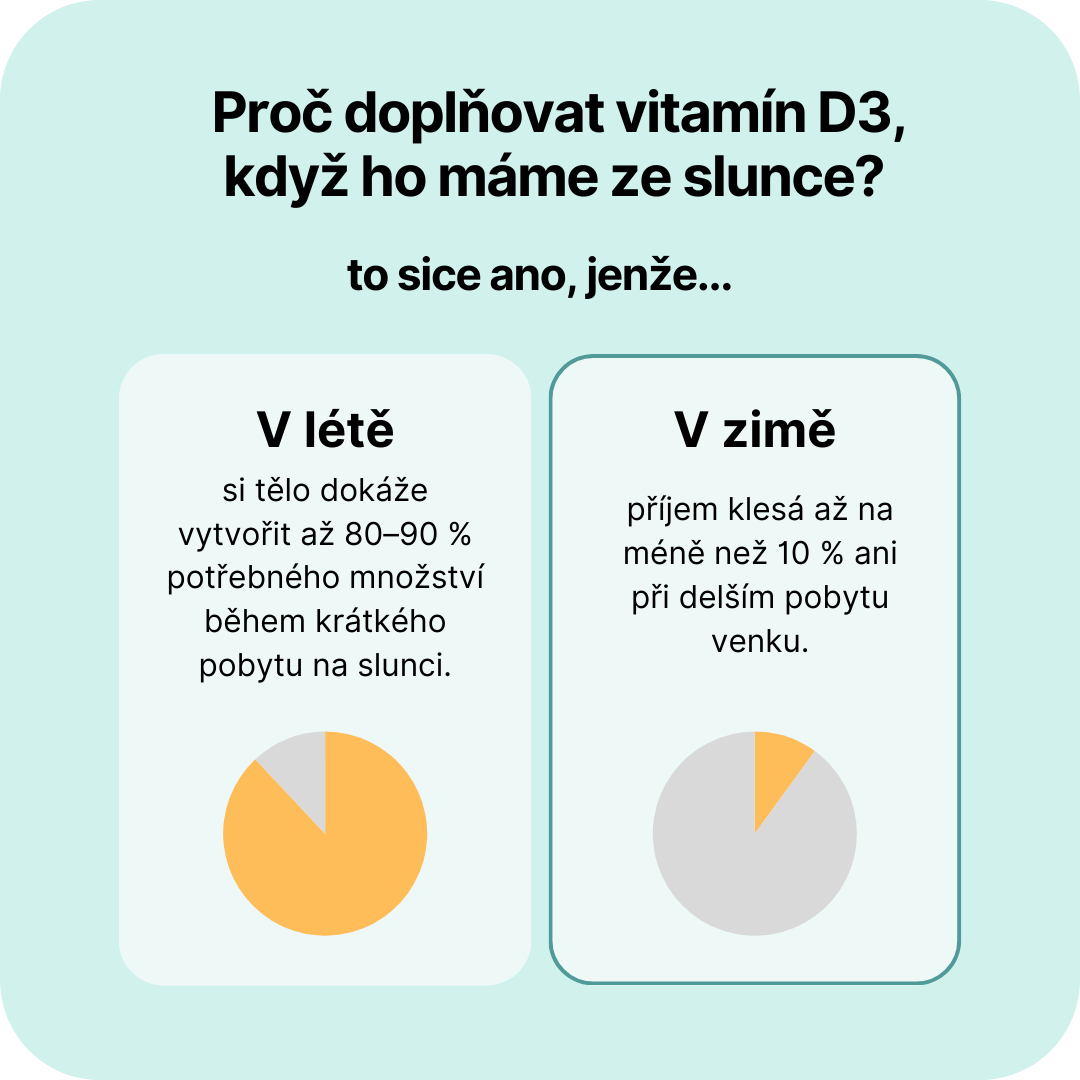
The best and most natural source of vitamin D is sunlight. When exposed to UVB rays, the skin synthesizes vitamin D, which is why it is recommended to spend at least 15-30 minutes a day outdoors. However, for people with darker skin or during the winter months, the need for supplementation may be increased.
A diet rich in vitamin D
Although sunlight is the primary source, vitamin D can also be obtained from foods. Foods higher in vitamin D include:
- Oily fish (salmon, mackerel, sardines)
- Egg yolk
- Fortified dairy products and plant-based alternatives
- Mushrooms exposed to UV light
Vitamin D supplementation
In situations where it is not possible to achieve adequate sun exposure or to receive enough vitamin D through diet, it is advisable to use supplements. Dosage should be optimised, as excessive supplementation may have adverse effects. Vitamin D is dependent on maintaining a proper balance - both deficiency and excess can affect immune function.
Recommended

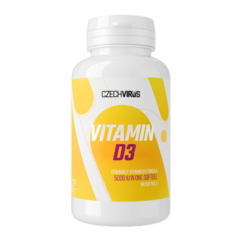
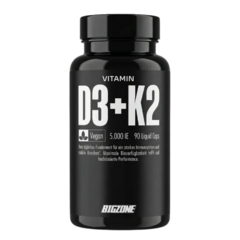
GymSupps Vitamin D3
Vitamin D3 100cps 1+1
How to properly supplement vitamin D to support immunity
To effectively support your immune system, it is important to monitor your vitamin D levels with regular blood tests. If a deficiency is found, the following strategy may be recommended:
- Targeted supplementation: if a deficiency is detected, vitamin D supplements are recommended, with the ideal dose being around 1000-2000 IU per day, but individual needs may vary.
- Optimise your diet: include vitamin D-rich foods in your diet to naturally increase vitamin D intake.
- Responsible sun exposure: Use sunlight to synthesize vitamin D, but also follow UV protection guidelines to avoid skin damage.
These practices are necessary to achieve optimal vitamin D levels, which contribute to strengthening and overall protection of the body against infections.
Other health benefits of vitamin D
In addition to its direct effect on the immune system, vitamin D has a number of other positive effects:
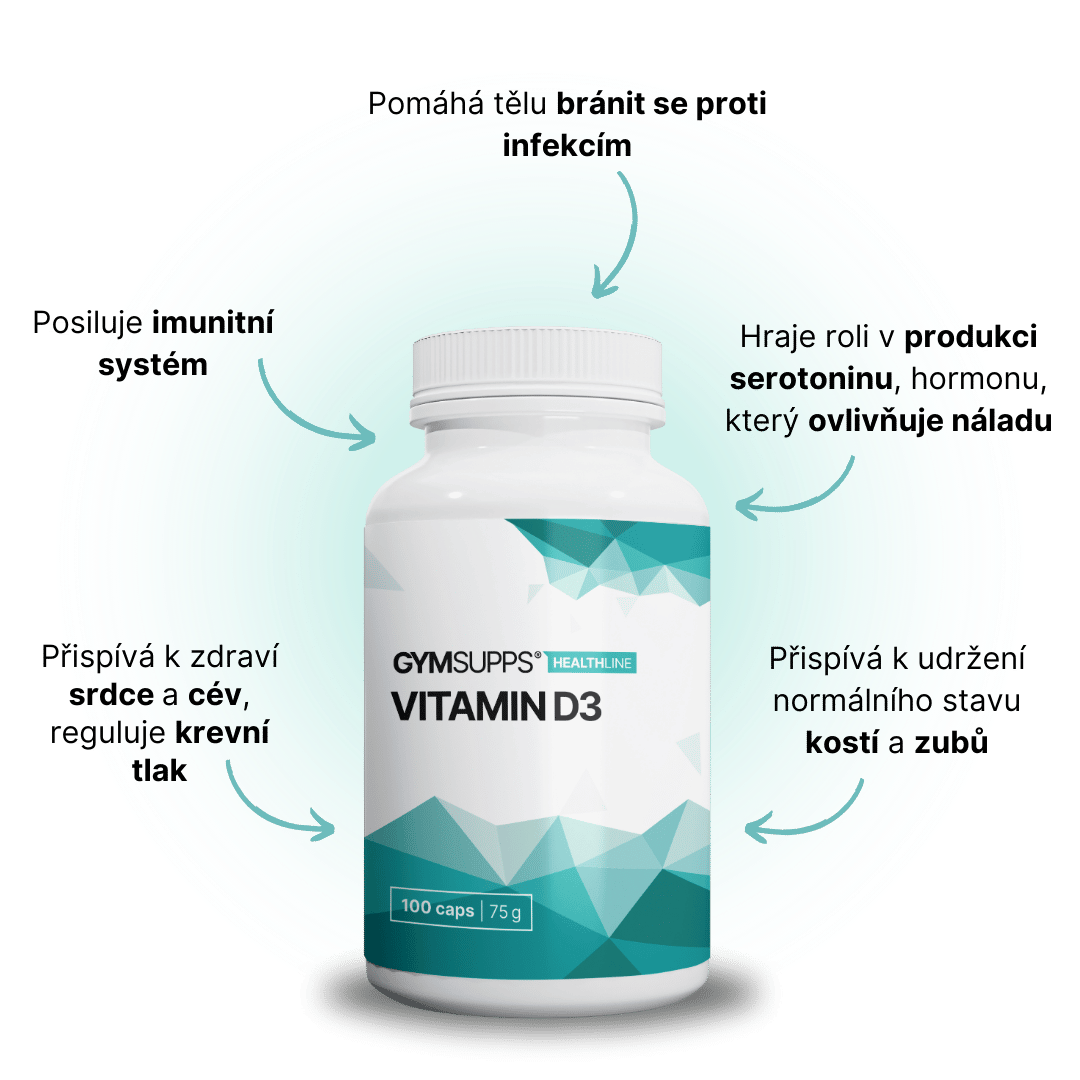
- Supporting skeletal health: Vitamin D is essential for the proper absorption of calcium and phosphorus, which supports the formation and maintenance of strong bones.
- Mood regulation: Some studies suggest that adequate levels of vitamin D may have a positive effect on psychological well-being and help prevent depressive states.
- Cardiovascular protection: Research suggests that vitamin D may play a role in regulating blood pressure and improving blood vessel function, thereby reducing the risk of cardiovascular disease.
With these multifunctional effects, vitamin D can be said to be part of a comprehensive approach to a healthy lifestyle that supports not only the body's defenses, but also overall vitality and quality of life.
.png)
Practical tips for daily support of the immune system
To maintain optimal vitamin D levels and strengthen the immune system, there are a few simple steps that can be recommended and easily incorporated into your daily regimen:
- Regular sun exposure: Get outside, ideally in the morning, to take advantage of the natural source of vitamin D. Just 15-30 minutes per day is enough to improve vitamin D synthesis in the skin.
- Include vitamin D-rich foods such as oily fish, eggs and fortified dairy products in yourdiet. This will not only support immunity but also the overall nutritional value of your diet.
- Consult a specialist: Before taking supplements, consult with a doctor or nutritionist to help determine the ideal dosage based on your individual needs.
- Condition Monitoring: Check your vitamin D levels regularly through blood tests. This will tell you if your dosage needs to be adjusted or if you need to supplement with other sources of the vitamin.
These simple steps can go a long way in boosting vitamin D and protecting your body overall from common infections and inflammatory processes.
Summary and conclusions
The impact of vitamin D on the immune system is undeniable. Modern scientific studies confirm that vitamin D is an essential factor in maintaining a strong and balanced body defence mechanism. Optimum levels of this nutrient are achieved through a combination of sun exposure, a diet rich in vitamin D and supplementation where appropriate.
Thanks to its anti-inflammatory effects, ability to activate antimicrobial peptides and modulate the immune response, vitamin D not only has a direct impact on the prevention of respiratory and autoimmune diseases, but also contributes to overall health - from the skeletal system to the cardiovascular system.
For anyone seeking to improve their body's defenses, it's important to pay attention to vitamin D levels, especially in the winter or when sun exposure is limited. Consistent vitamin D care then contributes to overall vitality, better recovery and protection against infection. So maintain a balanced diet, seek out natural sources of vitamin D and don't be afraid to take supplements if your body requires it.
Overall, proper care of vitamin D levels is a key element in preventing many diseases and contributing to long-term health and quality of life.
Recommended
Sources:
- Vitamin D and the Immune System: an Overview" - Journal of Clinical Endocrinology, 2017.
- The Role of Vitamin D in Modulating Immune Responses in Autoimmune Diseases" - Immunology Letters, 2018.
- Vitamin D Supplementation and Its Impact on Respiratory Tract Infections in Older Adults" - Aging & Immunity, 2019.
No posts have been made yet.