Vitamin D deficiency: symptoms and what causes it
 Author:
 Vitamin D is fat-soluble and is involved in the metabolism of calcium and phosphorus, helping to maintain strong bones. It also strengthens the immune system, influences proper muscle and nerve function, and can benefit the heart and blood vessels. The body itself produces it by exposure to UVB radiation on the skin, then converts it to its active form (calcitriol) in the liver and kidneys. In addition to sunlight, vitamin D can be obtained from fatty fish, fish oil, egg yolks, dairy products or fortified foods, as well as supplements.
Although it is sometimes referred to as the 'sunshine vitamin', deficiency is quite common in today's society. This may be due to inadequate exposure to the sun, inappropriate dietary habits or even medical conditions that may interfere with its absorption. In the following, we will take a detailed look at why vitamin D is so important, what the symptoms of vitamin D deficiency are and what is most often behind vitamin D deficiency.
Contents
- Symptoms of vitamin D deficiency
- What causes vitamin D deficiency?
- The consequences of long-term vitamin D deficiency
- How to address vitamin D deficiency?
- Conclusion
Symptoms of vitamin D deficiency
Vitamin D deficiency may not be easy to spot at first, as symptoms often develop slowly and may be subtle. Nevertheless, there are several indicators that may point to this problem:
-
Fatigue and weakness
Vitamin D deficiency can negatively affect energy metabolism and muscle strength. A person may feel tired, lethargic and have less energy in general. -
Bone and muscle pain
Because of vitamin D's key role in the deposition of calcium in the bones, a deficiency can lead to bone and muscle pain. Sometimes this can manifest itself as pain in the lower back or limbs. -
Frequent morbidity
Vitamin D supports the immune system, so upper respiratory tract infections (colds, flu) and other illnesses may be more common when it is deficient. -
Impaired wound healing
Some studies suggest that vitamin D deficiency can lead to impaired tissue and wound healing. -
Mood swings and depression
Vitamin D influences levels of neurotransmitters (e.g. serotonin), so people with vitamin D deficiency may experience low mood, irritability or depression. The effect on the psyche is particularly noticeable during the winter months when sunlight is at a minimum. -
Deterioration of teeth
Like bones, teeth need adequate amounts of calcium and phosphorus. Vitamin D deficiency can increase tooth decay and can lead to gum problems. -
Reduction of muscle strength in the elderly
In the elderly, vitamin D deficiency often results in greater muscle weakness, which can lead to impaired stability and an increased risk of falls.
When is vitamin D3 most needed?
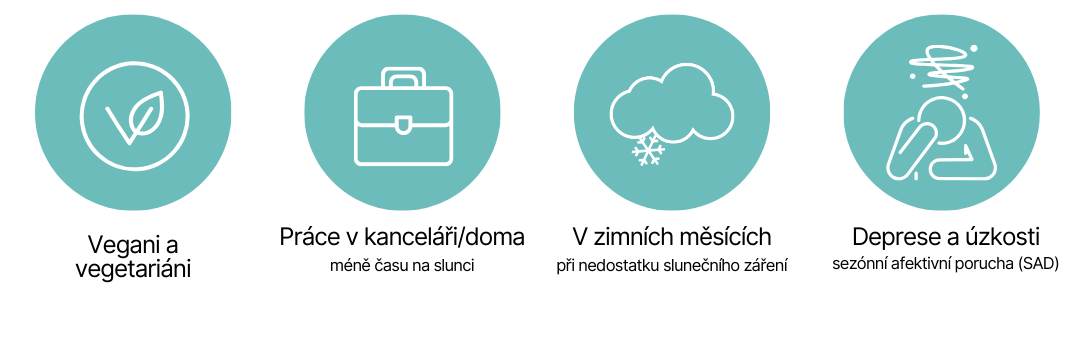
Risk groups: Vitamin D deficiency can affect anyone, but people living at higher latitudes (due to limited sunlight), individuals with darker skin (higher melanin content), seniors (decreasing synthesis and less time outdoors), obese individuals (deposition in adipose tissue), patients with digestive disorders (e.g. Celiac disease, Crohn's disease) or after gastric surgery, and vegetarians or vegans who need to replace animal sources with suitable alternatives or supplements.

What causes vitamin D deficiency?
Lack of sunlight
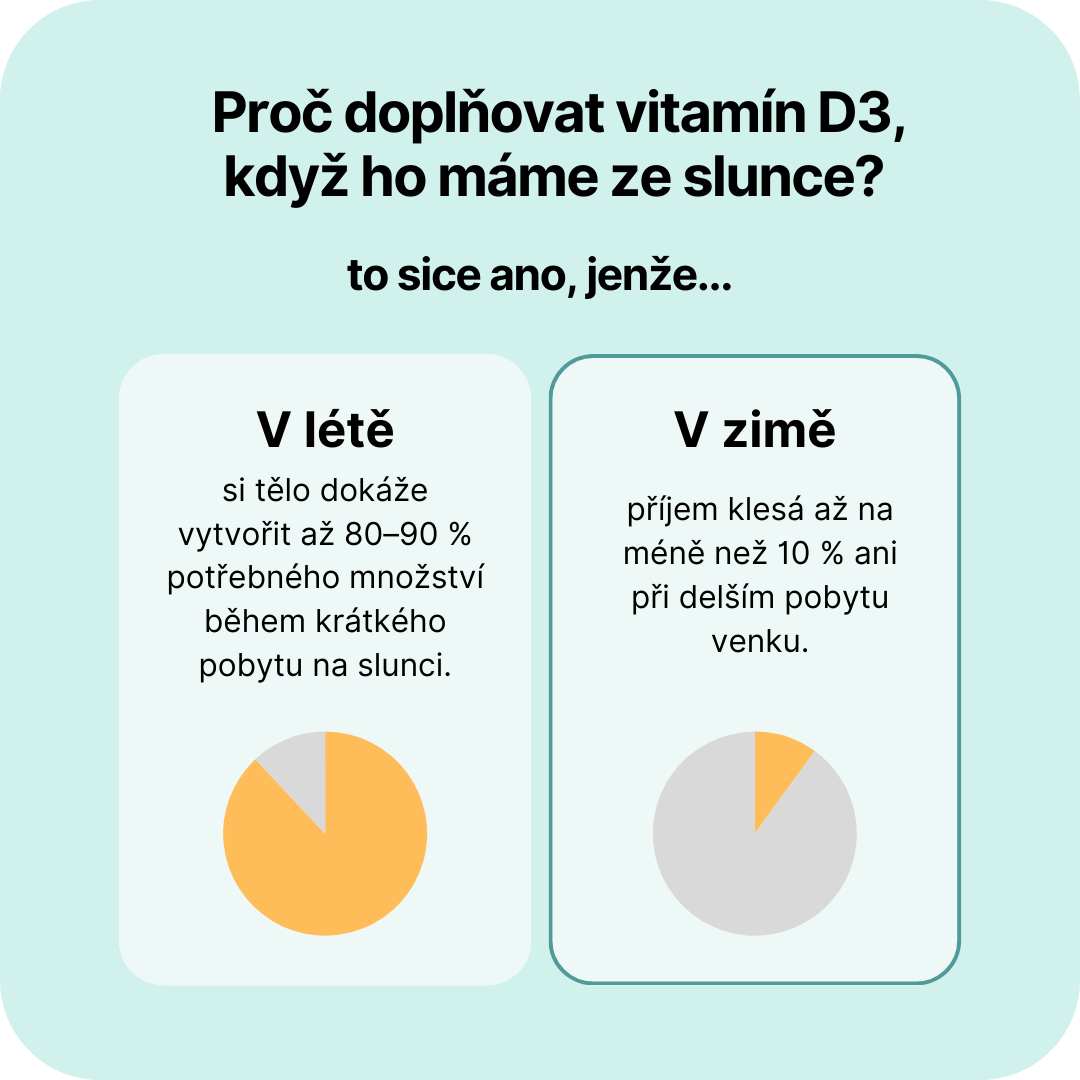
The most common factor is low sun exposure. In the winter months, when daylight is weak and the sun appears briefly above the horizon, the body cannot synthesize enough vitamin D. In addition to the season, lifestyle (we often spend most of the day indoors) and the use of high SPF sunscreens (they prevent harmful UV rays but also reduce vitamin D production) play a role.
Dietary habits
Diets lacking quality sources of vitamin D (especially fatty fish, eggs, milk, fish oil) contribute to daily vitamin D intake remaining low. In the modern diet, industrially processed foods deficient in important micronutrients are often consumed.
Absorption disorders
Certain digestive diseases, such as celiac disease, Crohn's disease and ulcerative colitis, can negatively affect the absorption of vitamin D and other nutrients. People who have had surgery on the stomach or intestines may also suffer from this problem.
Chronic kidney and liver disease
The active form of vitamin D is formed in the liver and completed in the kidneys. Therefore, if these organs become damaged (for example, due to cirrhosis, kidney failure or other chronic disease), this can lead to a reduced ability to form the biologically active form of vitamin D.
Some medicines
Long-term use of certain medications (e.g. corticosteroids, cholesterol-lowering drugs or anticonvulsants) can affect vitamin D metabolism and interfere with its absorption or utilisation.
Consequences of long-term vitamin D deficiency
A number of health complications occur with long-term vitamin D deficiency:
- Bone thinning (osteoporosis): vitamin D deficiency prevents the proper deposition of calcium in the bones, thus reducing their strength.
- Osteomalacia in adults: This is a disease in which bones soften, leading to pain and increased susceptibility to fractures.
- Rachitis in children (rickets): a bone mineralisation problem that causes skeletal deformities in children.
- Reduced immunity: leads to more frequent infections and in the long term can contribute to an increased risk of certain autoimmune diseases.
- Increased risk of cardiovascular disease: Some studies suggest that vitamin D deficiency may be linked to higher blood pressure and other cardiovascular problems.

How to address vitamin D deficiency?
Adequate sun exposure
To get enough vitamin D from sunlight, it is sufficient to spend about 10-15 minutes in the sun (face and arms exposed to the sun) several times a week, especially in the morning and afternoon. However, in winter, vitamin D synthesis may be insufficient in temperate zones.
A diet rich in vitamin D
- Oily fish (salmon, mackerel, sardines)
- Fish oil (e.g. from cod liver)
- Egg yolks
- Fortified dairy products or vegetable drinks
- Mushrooms (especially species grown with more UV light)
Dietary supplements
If it is not possible to meet vitamin D requirements through diet or sun exposure (e.g. in winter months, for at-risk groups or sick people), dietary supplements are recommended. It is always advisable to consult a doctor or pharmacist about the dosage and form of the product, as too high doses can lead to hypervitaminosis D.

Regular check-ups and blood tests
If you suspect a vitamin D deficiency, it is advisable to have your vitamin D levels checked by a blood test (25-hydroxyvitamin D). Based on the results, your doctor may recommend targeted supplementation or other measures.
Conclusion
Vitamin D deficiency is a widespread problem that can have serious effects on bone and muscle health and overall immunity. It often manifests itself in subtle symptoms such as fatigue, muscle aches and increased sickness that many people do not associate with a possible deficiency. Yet vitamin D is unique in that the body can make it itself under optimal conditions - a short and adequate exposure to the sun is all that is needed.
During the winter months, when sunlight is limited or those at higher risk of deficiency are at higher risk, it is crucial to ensure adequate intake from diet and supplements. If a deficiency is suspected, it is advisable to have a blood test and consult your doctor who can recommend the optimal dosage of vitamin D.
Careful prevention and consistent vitamin D supplementation can prevent serious health complications and maintain strong bone health, functional muscles and strong immunity.

No posts have been made yet.