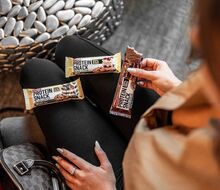
The best proteins on the market and how to choose the right one
 Author:
 Proteins are the basic building blocks for muscle growth and regeneration, and therefore they are an integral part of the diet of not only athletes, but also everyone who cares about a healthy lifestyle. Nowadays, there are a huge number of brands and types - from whey to vegetable. But how to choose the ideal protein for your goals? And which are among the best proteins or top proteins on the market? In the following article we will answer these questions!
Article content:
- Why are proteins so important?
- How to choose a protein? What are the basic types
- The best proteins.
- Comparing proteins: which is best for you?
- What is the best protein? Practical buying tips
- FAQ: What to know before you buy protein?
Why are proteins so important?
Proteins (protein) contribute to the maintenance and growth of muscle mass, are involved in the synthesis of enzymes and hormones, and play a role in the immune system. Adequate protein intake is crucial for body shaping, weight reduction and recovery after exercise.
- Without enough amino acids from protein, muscles are less likely to recover.
- Metabolic support: Higher protein intake can improve satiety and help maintain proper metabolic functioning.
- Hormonal balance: Protein plays a role in the synthesis of hormones that regulate many bodily functions.
How to choose a protein? The basic types
Before we dive into the best protein on the market, it's important to understand the differences between each type. Protein comparisons most often involve whey, casein, vegetable and isolate, for example. Each has its own benefits and is suited for different purposes.
Whey protein
- Fast absorption: whey protein is ideal immediately after training or during the day if you need to replenish protein quickly.
- High content of essential amino acids.
- Bloating and lactose: If you choose whey concentrate, it may contain more lactose and cause digestive problems for some. For more sensitive individuals, an isolate or hydrolysate is preferable as it is more digestible and is often referred to as a non-bloating protein.
Casein protein
- Gradual release: casein is absorbed more slowly, so it is useful before bedtime or for longer periods without eating.
- It delivers amino acids over a longer period of time and aidsrecovery due to its slower absorption.
Isolates / whey isolate
- Higher protein purity and less lactose. Therefore, it contains a higher percentage of protein (typically 85-90% or more) and fewer carbohydrates, which is especially appreciated by those who are watching their calorie intake or have trouble digesting dairy products.
- Fast absorption: like whey concentrate, isolate is absorbed very quickly, making it an ideal choice immediately after training when the body needs a quick dose of amino acids for muscle recovery. Its finer texture also allows for easy mixing, often without lumps.
Recommended
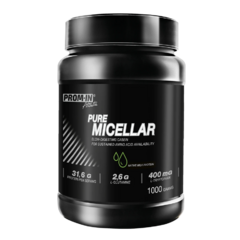
Prom-in Pure Micellar

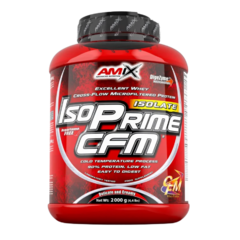
Amix Isoprime CFM
Plant proteins (peas, rice, hemp)
- Suitable for vegans or people with allergies.
- Plant proteins have an incomplete amino acid spectrum. Therefore, they are often combined (e.g. peas + rice) to cover all essential amino acids.
Multi-component proteins
- Combination of sources: multi-ingredient proteins are usually mixed from whey, casein, egg albumin or vegetable protein.
- Different absorption rates.
- Versatile use.
Egg proteins can be consumed at any time, from pre-workout to post-workout, or at any time during the day.
- High biological value: egg proteins have a full spectrum of amino acids, supporting growth and recovery.
- Lactose-free: suitable for those who cannot tolerate milk proteins.
- Medium absorption: faster than casein, slower than whey - provides a balanced intake of amino acids.
Recommended
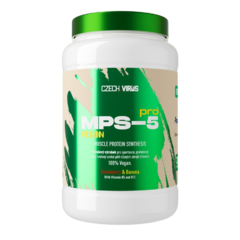
Czech Virus MPS-5 Pro Vegan
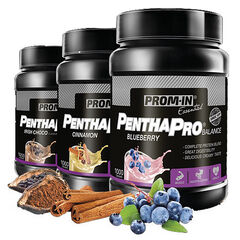
Prom-in Pentha Pro Balance
Best proteins: selection criteria
In order to find the best proteins on the market, it is advisable to consider several factors. You can find out how to choose a protein by looking at the following points:
Protein content (protein)
A good quality protein normally contains 70-90% protein on a dry matter basis. For hydrolysates and isolates, it can go up to over 90%.
Protein source
Decide according to individual needs - some people are happy with whey, others prefer the best vegetable protein due to lactose intolerance.
Digestibility and tolerability
Protein that does not bloat tends to be isolate or hydrolysate from high quality whey, or sensitively processed vegetable protein.
Taste and solubility
The most palatable protein is often based on quality ingredients and manufacturing processes that ensure the protein will not clump and will have a pleasant taste without excessive amounts of artificial sweeteners.
Additive content
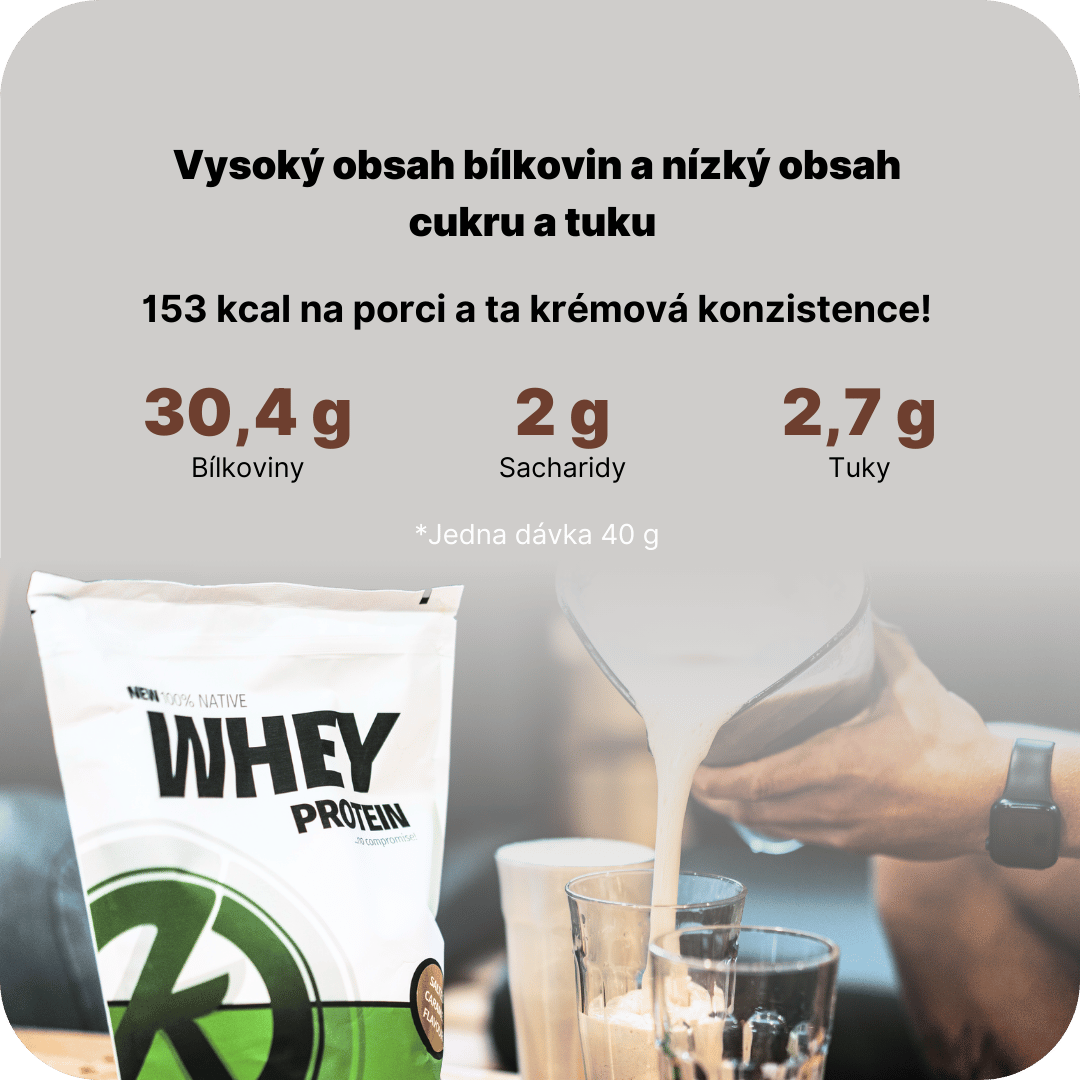
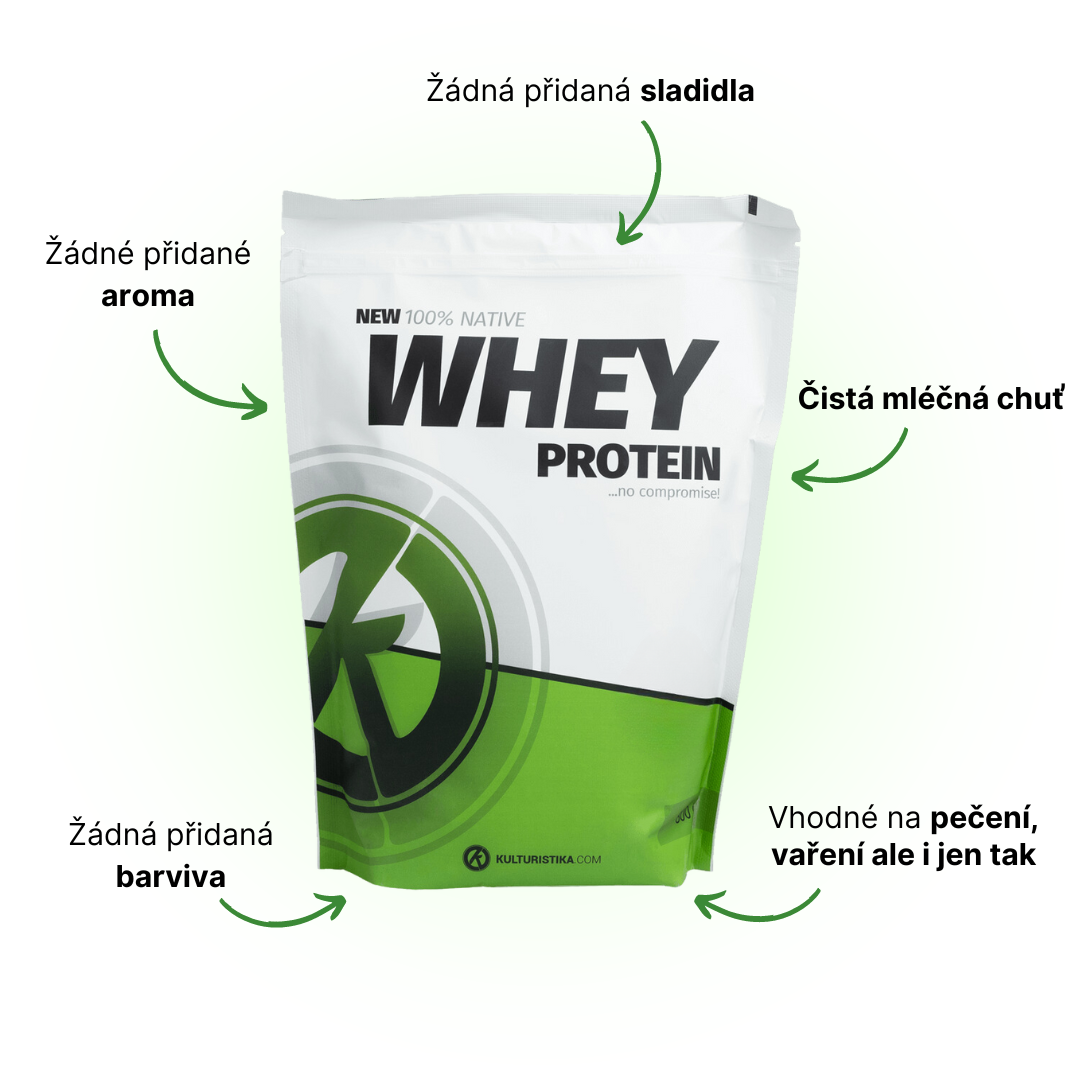
Read labels. Some proteins contain unnecessary amounts of artificial sweeteners, colours or fillers. A good protein should be composed of as few additives as possible, with protein being the main ingredient.
Comparing proteins: which is best for you?
For fast recovery and muscle growth
- Whey isolate or hydrolysate: They are the best protein for muscles due to their fast absorption and high content of essential amino acids.
- When to take.
For overnight recovery and a longer feeling of satiety
- Casein protein is the best protein drink in the evening before bed or during a longer break between meals. It ensures a gradual release of amino acids and higher satiety.
For vegetarians and vegans
- Vegetable protein ( combination of pea, rice, hemp).
- Bet on a mix: For the best quality amino acid spectrum, look for a mixture of different sources (e.g. pea + rice).
For sensitive digestion
- Low-lactosewhey isolate or protein that doesn't additively rely on plant sources.
- Hydrolysates: tend to be more digestible due to the pre-digested protein, minimising the risk of digestive upset.
What is the best protein? Practical buying tips
- Proven manufacturer: choose brands with a tradition of providing safety and quality certifications (e.g. GMP, ISO).
- Readlabels and nutritional tables. The tastiest protein doesn't have to mean lots of artificial sweeteners and flavours. Also look at the protein value per 100g.
- Tests and reviews: Read reviews from verified customers and follow independent protein comparisons. Make sure it's not just about marketing, but about real experience and lab tests.
What to know before you buy protein?
What is the best protein for beginners?
Beginners usually choose whey concentrate because it has a good price/performance ratio. If you are lactose intolerant, reach for a vegetable or hydrolysate.
How much protein do I need per day?
The general recommendation for active individuals is between 1.2-2.0 g of protein per kg of body weight.
Can protein replace food?
A protein supplement is not a full replacement for a varied diet. Even the best protein should be used primarily to supplement the total daily protein intake and to meet increased needs during sports or dieting.
Will protein help me lose weight?
Higher protein intake can promote weight loss because it increases satiety and protects muscle mass. However, overall calorie balance and dietary balance are key.
Conclusion
Choosing the best protein on the market can seem complicated at first, but once you get a handle on the basic types and learn to read the ingredients, you can select the best quality protein specifically for your needs. Whether you prefer whey, casein, or plant-based, be sure to compare proteins in terms of protein content, taste, digestibility, and composition. The right protein will significantly support your training goals, recovery and overall fitness.
Remember, even the best protein drink is still just a supplement - a varied and balanced diet full of quality ingredients remains the foundation. But if you need to quickly replenish protein, get the amino acids you need and support muscle growth - the top proteins on the market won't let you down!

Links to scientific studies:
- Boirie, Y., et al. (1997). Slow and fast dietary proteins differently modulate postprandial protein accretion. Proceedings of the National Academy of Sciences of the United States of America, 94(26), 14930-14935.
- Hoffman, J. R., & Falvo, M. J. (2004). Protein - Which is Best? Journal of Sports Science & Medicine, 3(3), 118-130.
- Jäger, R., et al. (2017). International Society of Sports Nutrition position stand: protein and exercise. Journal of the International Society of Sports Nutrition, 14(1), 20.
- Messina, M. (2016). soy and Health Update: Evaluation of the Clinical and Epidemiologic Literature. Nutrients, 8(12), 754.
No posts have been made yet.