





Subtle killers of your reduction progress
 Author:
 Have you decided to change your lifestyle some time ago, started a healthy diet, added some exercise, read a few articles about eating and dieting with a vision of the body you dream of and still nothing? Do you want to lose some pounds, but you can't, or even gain weight? We'll take a look at the subtle but insidious "killers" of your progress, and we'll also find out how to prevent or mitigate their effects.
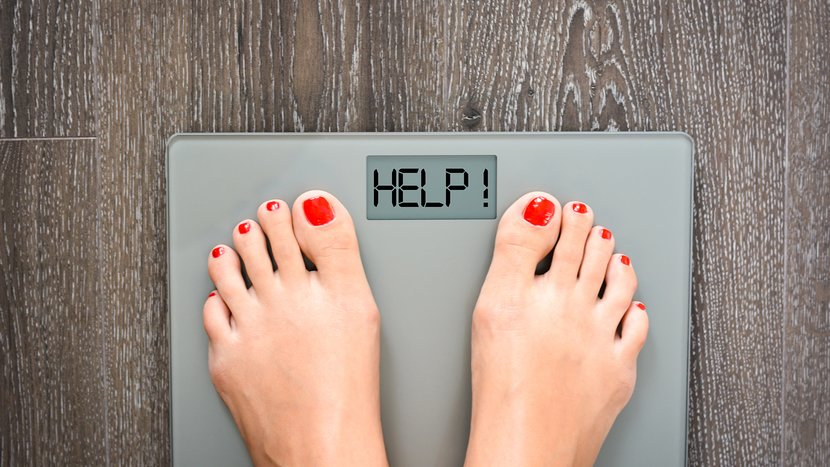
If we start gaining weight, unhealthy eating, lack of exercise, or even a combination of both are usually to blame . But what if you treat both of these important points and still nothing changes? Unfortunately, today's hectic times create other factors besides these two main ones that significantly affect our bodies and our efforts. It can be dietary mistakes, but really, it can also be things that are not all that related to diet.
Lack of sleep
If you've read our recent article on sleep carefully, you'll know that it's crucial to many processes in the body, and it's no different when it comes to weight loss. During sleep, regenerative processes take place, but there is also a regulation of hormones that can be skewed during the day due to various influences. If you don't give your body enough sleep, you are depriving it of VITAL time for its proper functioning. The symptoms of sleep deprivation are pretty easy to spot - you wake up tired, your body aches, you're depleted of energy and irritable, you don't regenerate, and weight gain can also be caused by lack of sleep.
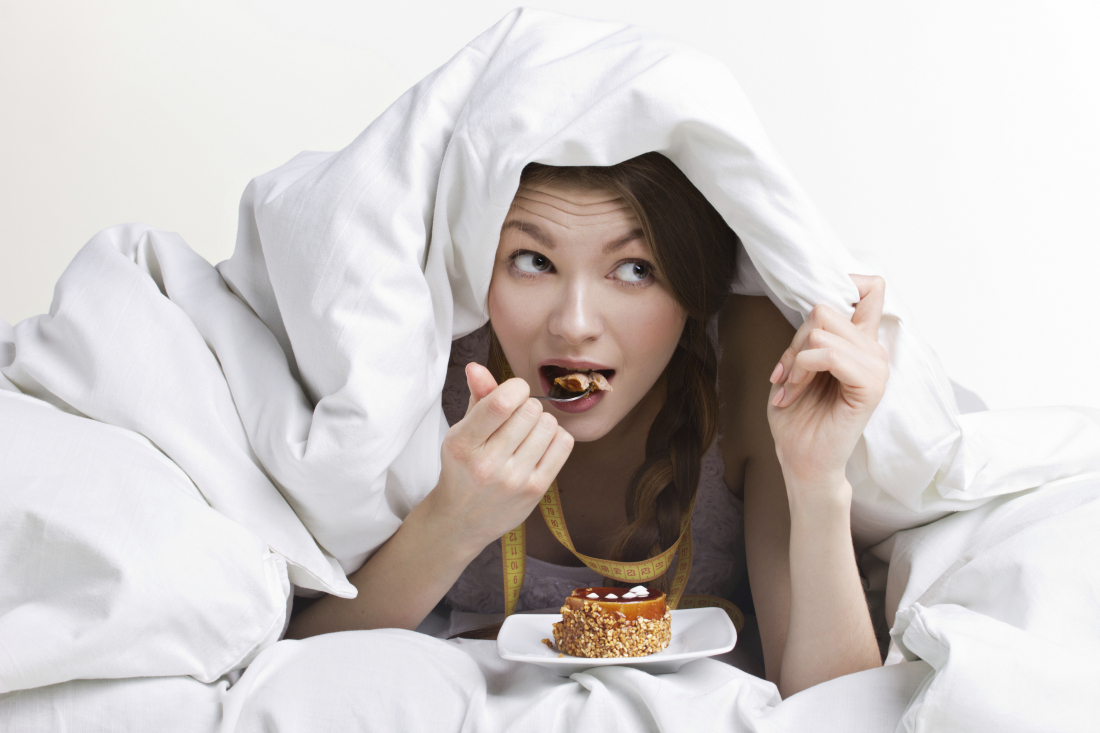
Being tired makes us much more likely to eat unhealthy foods, especially sweets and other calorie-rich foods, most often sugar. Sleep deprivation is also more likely to lead to 'nighttime fridge raids'. Being constantly tired means a desire to reach for unhealthier foods and a tendency to skip physical activity, which are ideal conditions for weight gain.
Okay, but what if, despite getting little sleep, I stick to my diet and my weight goes up? Hormones that regulate metabolism, among other things, are probably to blame. These hormones don't have enough room to "straighten out" after daily fluctuations due to lack of sleep. The less we sleep, the higher the levels of the stress hormone cortisol, which is also responsible for regulating our appetites and fat storage. However, again, don't imagine that when you sleep you lose fat all by yourself. But if you are denying yourself sleep for some more or less serious reason, then it is much more likely that your metabolism will not function properly.

How to get out of it? The solution is simple - sleep! Unfortunately, there is no other advice. While the time it takes to recover sufficiently is individual, studies show that we should sleep around 6-9 hours a day. If this is unrealistic for your schedule, try to get at least a few minutes of rest during the day. Also make sure you get plenty of healthy snacks to eliminate buying yourself a sugar bomb.
Stress
Stress is inevitable and we all encounter it in some form every day. When there is more of it than is healthy, we tend to reach for unhealthier foods. In fact, some people find food to be a source of comfort, partly because the body releases chemicals in response to food that can have a calming effect.
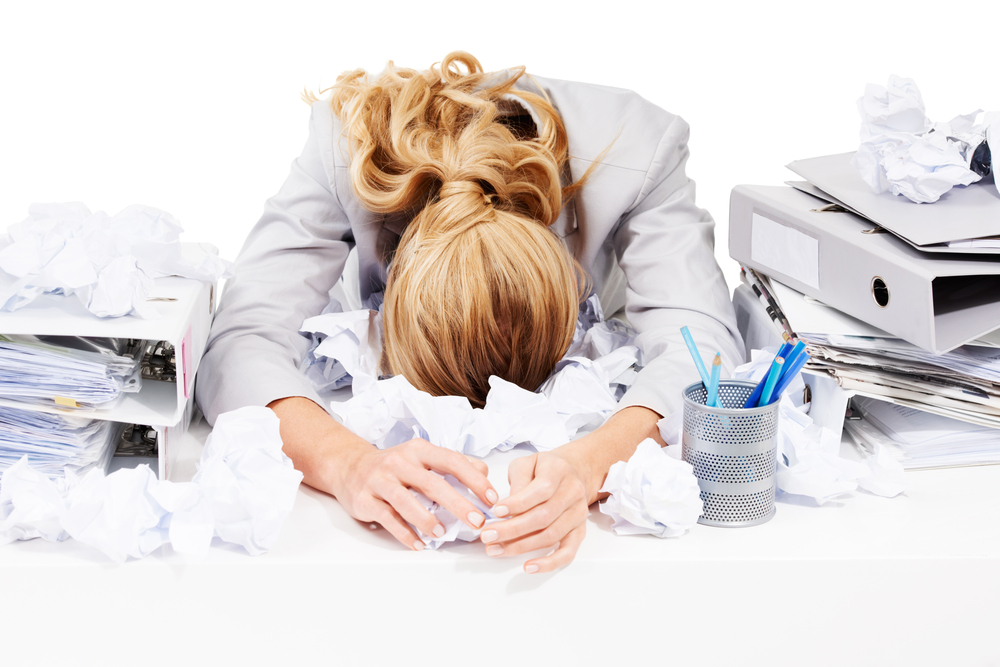
Stress also plays an important role in the release of cortisol, which we have already mentioned in previous paragraphs and so we know that it affects cravings and fat storage. Not only can life situations and work be stressful, but also strenuous workouts and weight loss itself are stressors. Women in particular tend to focus a lot on weight loss and expect quick results. When shedding pounds doesn't go the way they want, they start to panic, anxiously watching the scale, and even in this way the body can get so stressed that it starts to store fat.
How to get rid of stress? The solutions are many. Go out into nature, for sports, or simply take a moment for yourself. Be gentle with your body and most importantly - be patient! You certainly didn't put on the pounds in a month, so don't expect to lose them in a month and don't put your body under more pressure than necessary.
Portions
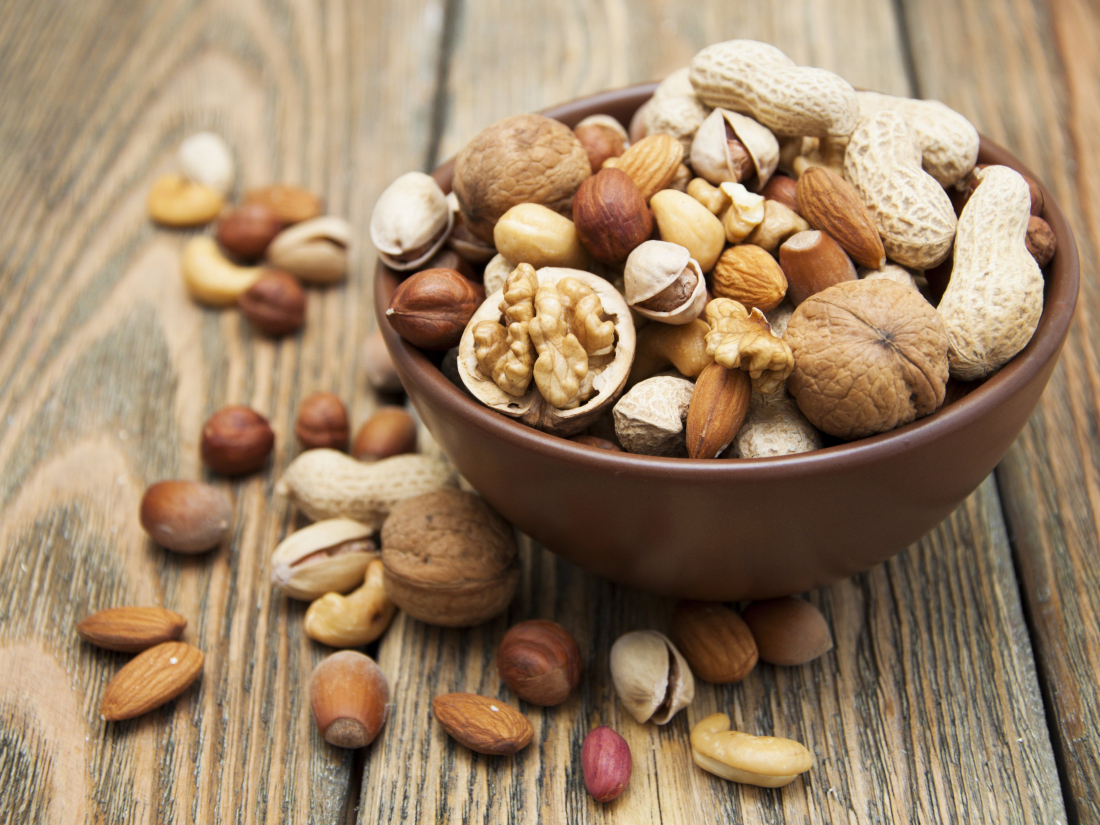
You may be eating healthy, but calories still count. Some people's perception of healthy food is that "this is healthy, I can eat a lot of this", but beware, even eating healthy foods can lead to weight gain if you can't control the amount you consume! The perfect example is nuts. A small handful for a snack - it's just that nuts contain a lot of fat, and with their small size it's possible that we end up eating more fat than we intended. Or peanut butters, it's really hard to stick to just one teaspoon there, what are we talking about.
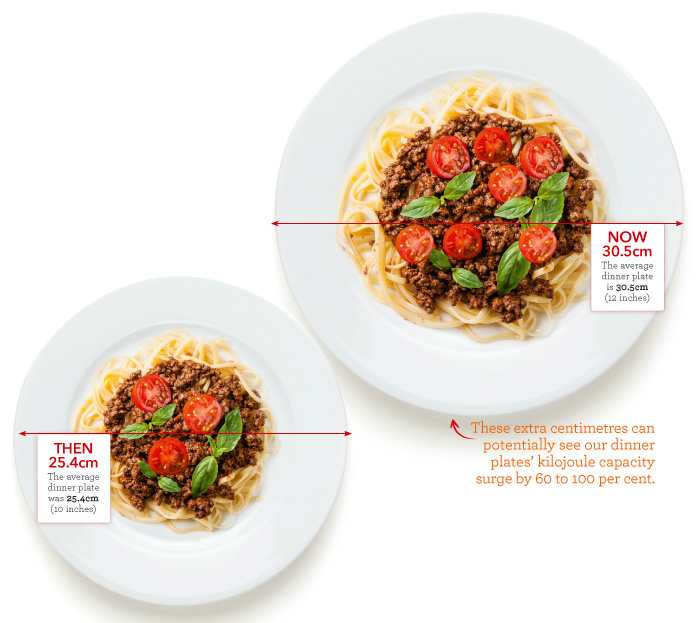
Yes, you may be eating healthy, but even healthy food can be the culprit of your fat gain if you eat too much of it. When reducing, it's important to set up a reasonable deficit, that is, create a state where your output is greater than your intake and choose foods appropriately to fill your intake. Always find time to eat, as this is also a very good way to keep your intake under control. When we eat in a hurry or while doing an activity, we often eat a larger amount than when we concentrate on what and how much we eat.
And again, the flip side. If you set your intake too low, it may not be a good strategy for fat reduction. Initially, the weight will probably fall off, but later your body will start to store even that small amount, just in case you torture it further. Don't overdo it, if you don't know what to do yourself, seek advice from an expert before you cause yourself any trouble by inappropriately adjusting your intake.
Seemingly healthy foods
A very insidious factor that causes fat gain is foods that look healthy but are not. An ideal example would be low-fat products, which are overwhelmingly full of sugar, which enhances the taste of the product once the fat is removed, and so we are effectively going "from puddle to mud".
Another typical example of this is protein bars. Most people have a protein bar thinking they are having a healthy snack. But it is very important to read the ingredients well. Unfortunately, there are many products on the market that consume the same amount of calories as a regular lunch. In addition, the products are often not very different in composition from their 'non-protein' counterparts, both in terms of fat and sugar content. Be cautious when choosing such a product and be careful what you actually buy, or make your own bars!
This group also includes other products that are given the name 'fitness/healthy/healthy snack/protein' to give the impression that the consumer is buying something healthy when the product has none of the benefits that its name implies. Read carefully what such products are made of and don't be lured by the name or pretty packaging.
Modern trends
Finally, we can't leave out all kinds of modern diets. Paleo and various keto diets are all the rage right now, because after all, carbs are worse than the plague and the biggest beast, so we need to eliminate them as much as possible (highly ironic). Well yeah, but diets based mostly on fat and protein consumption can be risky if you can't build them properly. It may say "replace calories from carbs with fat", but fat has 9 Kcal per 1g compared to carbs and protein's 4 Kcal per gram. So you can actually eat less fat than the other two macronutrients to maintain some of that set intake.
Unfortunately, the idea that you skip the carbs, replace them with fat and your tire around your waist is over.. is a fallacy. Leaving aside the fact that you do NOT need to skip carbs at all for a successful reduction, you also need to know how to incorporate fats appropriately into your diet and also take into account where you are getting your fats from. If you gorge yourself on bacon three times a day, because it has protein and lots of fat, you probably can't expect to have a wasp waist and minimal fat. Even diets based on eating more fat have some rules. And even eating fat-rich foods with minimal carbs won't guarantee you'll lose fat.
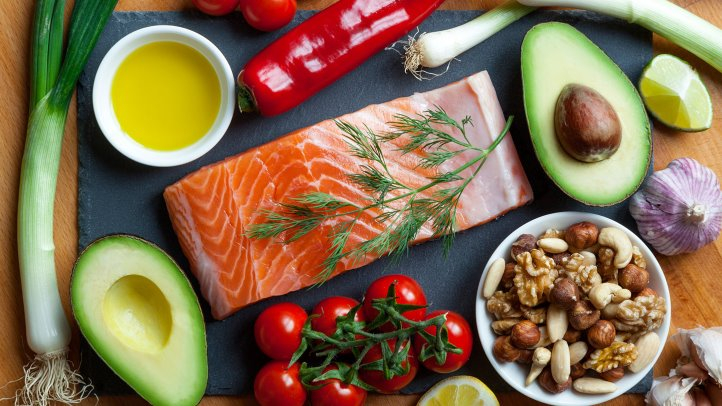
The key is, as with any diet, CALORIC DEFICIT. That is, taking in fewer calories than we expend, no matter where they come from. Yes, you understand correctly. It makes absolutely no difference if you divide your intake evenly among all macronutrients when you create your diet, or if you restrict carbohydrates a lot. The important thing is simply to take in fewer calories than you expend. There is no need to avoid ANY macronutrient completely, and it is the diet in which all the essential macronutrients are represented in optimal (individually optimal) proportions that you should focus on. Since such a diet is varied, wholesome and sustainable, you will ensure that your body will not be deprived in any way.
What can I say in conclusion?
There are many factors that need to be taken into consideration when reducing. It's mostly about how you eat, of course, because diet can affect almost everything - from energy, to mood, to just the appearance of your body. Focus on making sure your diet is rich, varied and balanced, and watch out for subtle pests that look healthy but aren't much. Get plenty of rest and quality sleep, play sports and don't stress yourself more than you have to.
No posts have been made yet.








