





Myths in the fitness world
 Author:
 We will repeat a few myths that are still circulating in the media and in various articles on the Internet, but have never been confirmed by research or their significance is not as dramatic as it is often presented.
Myth 1 - red meat causes cancer
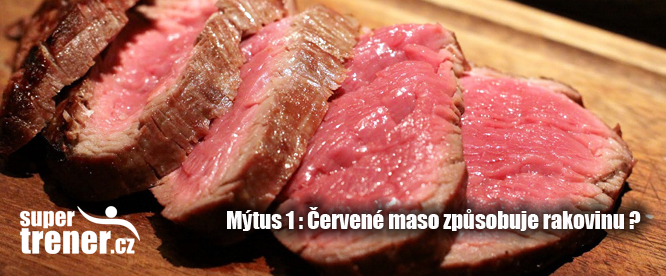 This statement is probably the best friend of all myths surrounding diet. Discussing cancer is really difficult and it is impossible to confirm for sure whether this or that causes it. After all, almost everything we eat has the potential to cause cancer.
Certain compounds, such as polyaromatic hydrocarbons (PAHs) found in sausages, damage the genome, which is the first step to potentially developing cancer. Current evidence suggests that red meat may pose a cancer risk for people with poor diets and lifestyles. But if you don't smoke, exercise regularly and eat your vegetables, you don't have to worry about red meat and its effect on cancer.
Antioxidants could be used as prevention, which are supposed to prevent the growth of cancer, but the effect is usually too small and not worth noticing.
The Truth
Concerns about red meat being linked to cancer are overblown. Eliminate other cancer risks such as smoking, exercise, maintain a healthy lifestyle and the impact of red meat on your health will be negligible.
Myth 2 - Eggs (especially the yolks) are bad for you
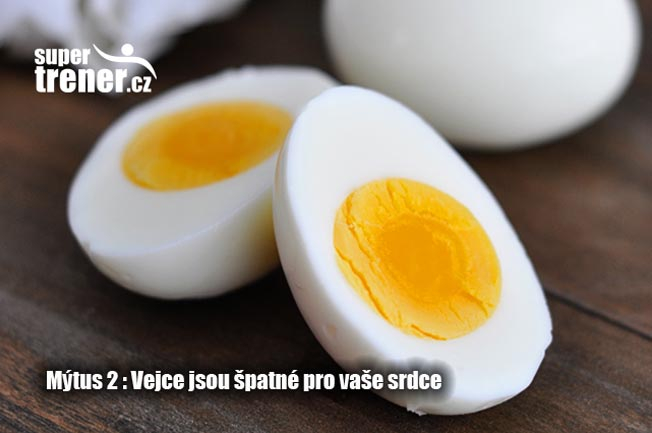 If there's one thing the media does very well, it's scare people out of completely innocent foods. Eggs have been demonized because their yolks, which are packed with nutrients, also contain high amounts of cholesterol. As scary as it sounds, eating foods high in cholesterol doesn't mean your blood cholesterol levels have to go up!
The Truth
Research on PubMed shows that eggs (yolks) only pose a risk to patients with diabetes, but egg consumption is not associated with risk of cardiovascular disease and cardiac mortality in the general population. If you are a healthy, athletic individual, eggs are a fantastic source of protein, fat and nutrients. Their association with cardiovascular disease is a myth!
Myth #3 - Saturated fats are bad for you
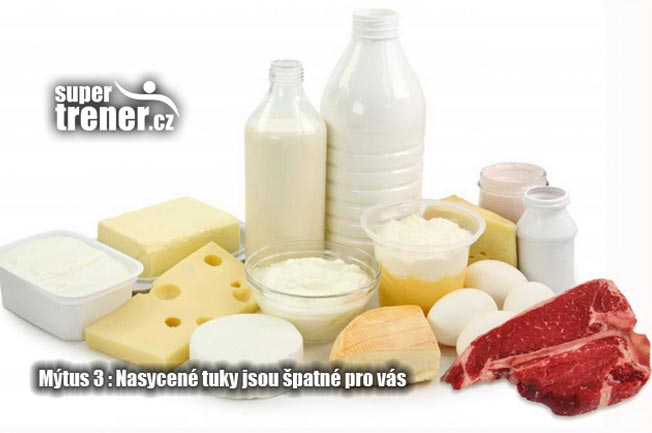 The traditional way of some diets is to include low-fat foods for extended periods of time. But just as with cholesterol (myth 2), eating fat has no immediate effect on raising blood cholesterol levels, eating fat doesn't mean we'll be fat.Yes, it's clearly better to bet on healthy fats, but a small percentage of saturated fats is also important. It's always the total daily intake of all macronutrients that will decide whether we lose weight or not. A big mistake is to remove all fats from our diet.
The myth that saturated fats cause cardiovascular disease is not true. It is the quality of the food and its preparation that makes the difference. There is a big difference between eating a steak or a greasy hamburger and fries.
The Truth
Saturated fat intake alone will not lead to heart disease and cardiovascular disease. In fact, you need a little saturated fat to keep testosterone production in check!
Myth #4 - Vitamins from food are better than from supplements
How often do you hear the claim that vitamins from fresh fruits and vegetables are better than from supplements? Very often and the word "natural" has a positive response, and "synthetic" or "chemical" has a negative response.
Unfortunately this is not the case and it is not as simple as it first appears. For example, vitamin K supplementation with supplements has much better bioavailability than its plant-based equivalent.
Also, some useful antioxidants like Turmeric (a great antioxidant and very effective brain doper) are better supplemented with dietary supplements because the bioavailability of Turmeric is quite low when taken in food form.
We also have to take into account that if we don't have our own garden and don't grow our own vegetables and fruits, we get the minimum of minerals and vitamins from supermarket bought food. Everything is plucked unripe so that the fruit and vegetables can travel or sit in the store or warehouse for a long time. Even FDA studies suggest that frozen vegetables and fruits are better than fresh stuff just from the supermarket. I also saw a study on the vitamin C content of a purchased lemon and the result was: zero vitamin C content. If you travel and pick a ripe fruit on vacation, you'll know the difference.
The truth
Vitamins from food are not necessarily better than vitamins from supplements. This is a very broad statement, supplements in this case fulfill an important health role that natural sources cannot. I recommend buying supplements in chelated form such as Nexgen Pro from Reflex.
Myth #5 - Eating multiple meals a day = I'll be fat
 The total number of calories you take in per day is much more relevant to your body weight than the number of meals you eat. If you eat more calories than you burn, your weight will go up, if you eat fewer calories than you need, you will lose weight.
Theoretically, if you eat the same amount of calories in six meals, or even three meals a day, you will lose weight as long as you are in a calorie deficit, so the number of meals doesn't matter. However, more smaller portions in the diet and spreading the nutrients over more meals throughout the day has the advantage of risking less hunger and therefore less tendency to sin.
Tip
Carry your own high-quality, high-protein food with you everywhere you go to work or school, and you'll be less likely to spend money on bad, fatty foods if you suddenly feel hungry between meals. Don't worry and feel free to indulge in multiple meals throughout the day. As long as everything is set up correctly, the quantity of meals doesn't matter and, on the contrary, we don't have to worry about hunger.
DIETING DOES NOT MEAN STARVING !!!
Myth 6 - higher protein intake is bad
Let's start by saying that protein is a raw material, a building block for building muscles. Once you digest protein, it breaks down into individual amino acids that your body uses to repair and grow muscle mass.
When we exercise hard, it's essential to have plenty of good quality protein. Especially on low-calorie diets, we should be especially careful because your body needs much more of an abundance of protein and it's actually the foundation of your diet. They are also important for your immune and hormonal system, so getting enough of them is essential.
In order to get enough of all the essential amino acids, it is a good idea to consume a variety of protein sources such as beef, chicken, fish, eggs, some dairy products and good quality protein products.
Tip
I recommend a daily intake of around 2g of complete protein per 1kg of your weight. I've seen studies that looked at daily protein intake between 1.6 - 2.5g/kg and in no control subjects did it affect either the liver or kidneys as is often misreported. Your liver values will increase more with strength training.
I would always just set your daily protein intake first and tap the addition of carbs and fats to your daily caloric intake from there.
Myth #7 - Supplements are not for women
 First of all, I have to stand up for women, because most men still think that "protein" or dietary supplements in general = muscles, but this is of course nonsense and this myth is mainly due to the well-set advertisements of the manufacturers of these products. Whey or other protein contains only protein and women do not have to worry about growing too big muscles and men are unfortunately disappointed, because you will not really have muscles thanks to protein. It is only to help replenish the necessary protein during the day and then of course the protein will help with recovery and muscle building with a properly set diet.
I'll always be the first to say that if you have a proper, balanced diet and have no problem getting in all the prescribed foods, you don't need supplements except for a few basics, which of course are good for women too. It's just that, even though it's not ideal, a lot of people don't have the ability or have trouble getting all the necessary macro nutrients from their diet into themselves, and that's where dietary supplements come in and we can use them as nutritional insurance.
A multivitamin, for example, helps to ensure that we have the right doses of vitamins and minerals that we desperately need during sporting activities if we want to use all the macro nutrients taken from the diet and get results. Even an occasional pre-workout boost in the form of caffeine can help after a long day at work when we are tired. And of course protein, which helps in replenishing daily protein needs.
Conclusion
In conclusion to the seven myths posted, all I can say is this: think about your food, educate yourself on nutrition and use basic supplements intelligently and don't let myths stop you from achieving your goals!
No posts have been made yet.








