





Magnesium
 Author:
 Magnesium is the second most commonly missing mineral in our diet after vitamin D. Magnesium deficiency raises blood pressure, lowers glucose tolerance, causes nervous irritations and reduces insulin sensitivity. Magnesium is an essential dietary mineral and the second most prevalent electrolyte in the human body.
Magnesium plays a role in over 300 biochemical reactions in the body, many of which are directly related to muscle function and protein synthesis. Its importance is amplified in hard training and muscle building.
 To make matters worse, magnesium is slowly disappearing from the modern diet as industrial agriculture and food processing methods literally strip magnesium and other valuable minerals right out of our food supply, making it harder to consume enough nutrients from even a seemingly "healthy", varied diet.
Maintaining healthy magnesium levels has also been linked to a protective effect against depression and ADHD (a neurodevelopmental disorder). Magnesium deficiency is also associated with impaired bone metabolism. On the other hand, magnesium supplementation is not very effective in reducing fat mass, and it is uncertain whether magnesium supplementation can enhance athletic performance, but initial results do look promising. It is also questionable whether it is effective against cramps.
Intestinal absorption of magnesium varies depending on how much magnesium the body needs, so there aren't too many side effects associated with supplementation. If there is too much magnesium, the body absorbs only as much as is needed. However, excessive doses can cause digestive problems and diarrhea.The standard dose for magnesium supplementation is 200-400 mg with food.
The best sources of magnesium are fish, nuts, seeds, legumes, leafy greens, whole grains, and some fruits and vegetables. In particular, salmon, halibut, spinach, almonds, cashews, potatoes, sesame seeds, pumpkin seeds, yogurt, and brown rice are all good sources of this precious mineral.
Adequate levels of magnesium can be ensured by eating magnesium-rich foods, along with proper supplementation. It will provide you with more health benefits than you can think of. Or maybe you could remember ? I wouldn't be surprised in the least if magnesium was found to help in improving memory and cognitive function :)
Any form of magnesium can be used for magnesium deficiency, except magnesium L-threonate, as it contains less elemental magnesium per dose. Gastrointestinal side effects such as diarrhea and bloating are more common when supplementing with magnesium oxide or magnesium chloride, due to the lower absorption rates of these two forms. In general, magnesium citrate is a good choice for supplementation.
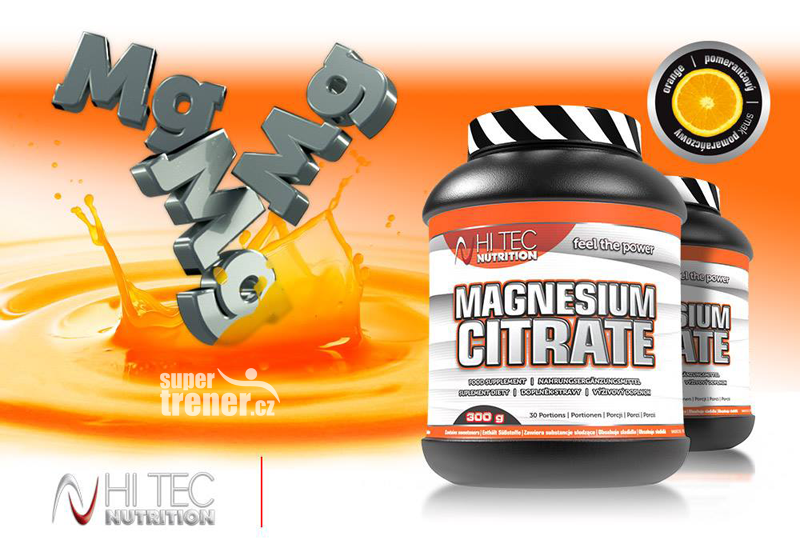
Personally, I'm currently testing Magnesium Citrate from Hi Tec Nutrition's form, which is in a loose soluble flavored form with added vitamin C and B6. The solubility is a little worse when stirred normally with a spoon, but fine when stirred in a shaker. The taste is not bad and can be said to suit me except for the unnecessary added stuff just because of the taste, which I'd skip and rather welcome the pure form.
You can read more about magnesium in the article Magnesium - Everything you need to know about it.
No posts have been made yet.








