





Is L-Glutamine a useless supplement? We'll tell you what the reality is
 Author:
 Many self-proclaimed "experts" claim that glutamine is essentially a useless supplement. Why these opinions arise, how it really is with the effects of glutamine and whether investing in a supplement containing it is a waste, you can read in today's article.
Content:
- All About L-Glutamine
- The use of L-Glutamine in sports
- L-Glutamine in the diet
- Benefits of L-Glutamine supplementation
- How about dosage
All about L-Glutamine
Glutamine is one of the most concentrated amino acids in the body. In skeletal muscle, it is found in well over 60% of the total amino acids represented. However, glutamine is also used by many other tissues. It also forms the support for the body's immune and digestive systems and is involved in other important processes in the body. Glutamine is made up of 19% nitrogen, making it the primary transporter of nitrogen to your muscle cells.
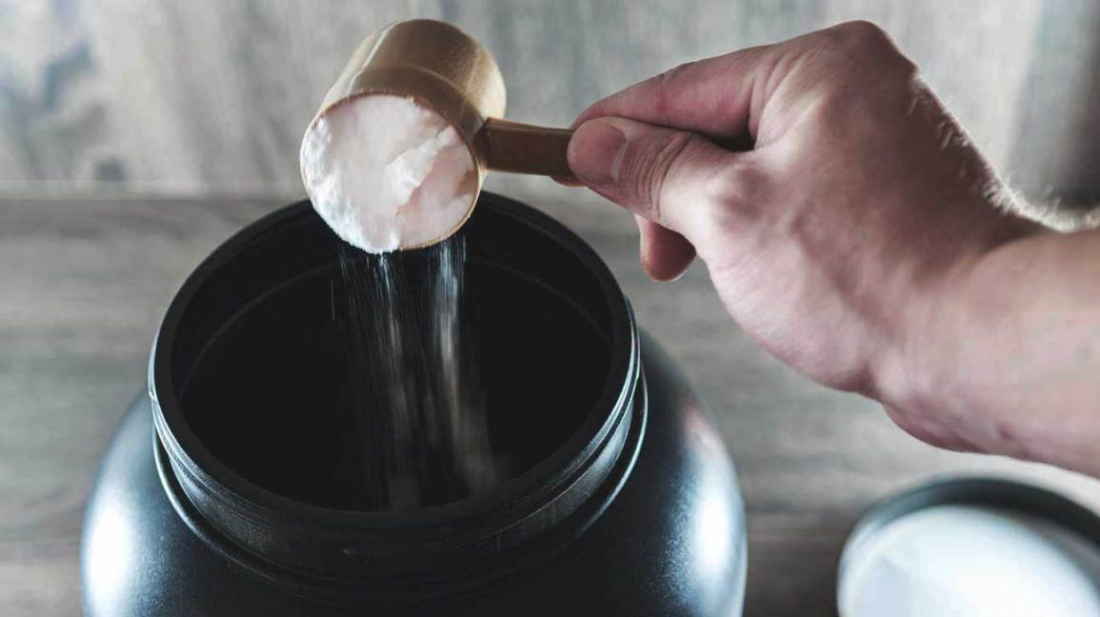
Glutamine is a non-essential amino acid, which means the body can makeit on its own. It is this fact that leads to the assumption that it does not need additional supplementation. However, the truth is that glutamine is not created in the body "just like that". Its formation is linked to the synthesis of other amino acids, which can lead to their deficiency and the body may be deprived of the benefits offered by other types of amino acids. For this reason alone, its supplementation is worth considering.
The use of L-Glutamine in sports
The level of this amino acid depends on various factors. For example, pregnancy and lactation significantly reduce glutamine stores in the body, as well as exhausting exercise, illness, starvation or extreme caloric deficit, rapid growth and other cases of extreme physiological stress.
Yes, exercise is a stress on the bodythat puts more pressure on our body's immune system and makes us more susceptible to disease. After this stress, the immune system (and not only it) requires larger doses of glutamine and takes it from the muscles. During intense training, your body's glutamine levels are therefore greatly depleted, reducing strength, endurance and increasing the time needed for recovery. After a really intense workout, it can take up to 6 days for glutamine levels to be fully replenished.
Therefore, if you are training really hard and intensely, you should not delay glutamine supplementation. Besides, glutamine plays a key role in protein synthesis. Studies show that L-glutamine supplementation can help minimize muscle breakdown while improving protein metabolism. Interestingly for strength athletes, glutamine has also been shown to increase growth hormone levels in certain situations.
L-Glutamine in the diet
Glutamine has anti-catabolic effects, thus preventing muscle breakdown. This is especially appreciated by people who are reducing weight, are therefore in a calorie deficit and do not want to lose their hard-built muscles. Especially in the reduction phase, glutamine's ability to reduce sweet cravings is also a positive effect. Glutamine is needed to give optimal performance. This amino acid also ensures a positive nitrogen balance. However, despite glutamine's various positive functions in the body, few studies actually show that it directly increases the proportion of lean muscle mass, reduces body fat percentage, or increases muscle strength in healthy individuals.
Benefits of L-Glutamine supplementation
Is L-Glutamine part of your supplementation? If not, let's briefly summarize the benefits that should make you at least consider taking it. After all, research shows that glutamine is one of the most important amino acids for bodybuilders and fitness enthusiasts. It provides the following benefits:
- Glutamine helps restore glycogen, i.e. replenish energy.
- It supports protein synthesis.
- Supports a positive nitrogen balance.
- Increases growth hormone production.
- Ensures the regulation of the acid-base balance in the kidneys.
- Promotes better regeneration
- Has a positive effect on the intestinal biome (especially the colon).
- Plays an important role for the immune system.
- Improves the quality of sleep.
- Has anti-catabolic abilities.
- Reduces cravings for sweets.
- Improves creatine absorption.
- It is indispensable for brain metabolism.
What about dosage?
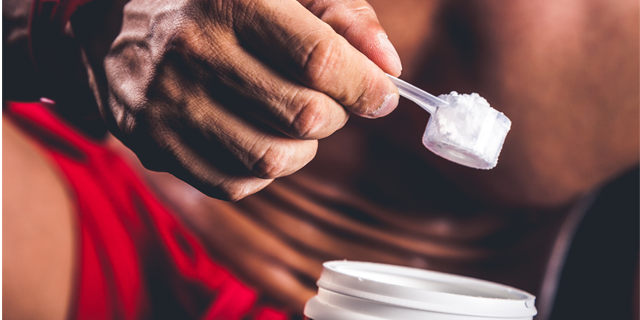
Optimal intake is (as with most supplements) individual. However, there is certainly no need to overdo its supplementation. The daily dose can range from 5 - 20g, in the case of bodybuilders this dose can be even higher. It seems ideal to divide the daily dose into two-three portions, specifically the best moments for its supplementation are mornings, after training and before bedtime. No side effects associated with its over-supplementation have been proven with certainty so far, but it is really unnecessary to overdo it somehow.
Recommended
Sources:
https://www.ncbi.nlm.nih.gov/pubmed/7845291
https://www.ncbi.nlm.nih.gov/pubmed/11194114
https://www.ncbi.nlm.nih.gov/pubmed/9263280
https://link.springer.com/article/10.2165/00007256-199621020-00002
https://www.ncbi.nlm.nih.gov/pubmed/22990615
https://www.ncbi.nlm.nih.gov/pubmed/24257571
https://www.jimstoppani.com/supplements/glutamine
No posts have been made yet.








