How vitamin D helps the hair
 Author:
 Vitamin D isn't just the key to healthy bones and immune system - its benefits extend to the world of beauty, specifically hair. So this article looks at how vitamin D affects hair health and why supplementation is often recommended for those who want strong, beautiful hair. We draw on scientific studies that confirm that proper vitamin D levels can positively affect hair growth, texture and overall appearance. Get ready for an engaging journey to learn how vitamin D works, when and how to take it, and why it's absolutely crucial for your hair.
Article Content:
- What is vitamin D and how does it work?
- How vitamin D affects hair health
- Why and when to take vitamin D for hair?
- Scientific studies and evidence
- Practical tips for effective vitamin D supplementation for hair
What is vitamin D and how does it work?
Vitamin D is a steroid hormone that the body gets from sunlight, food and supplements. Its most important role is to regulate the absorption of calcium and phosphorus, which is essential for maintaining healthy bones. However, vitamin D also acts on cells that affect hair growth, regeneration and the hair follicle cycle. Many studies confirm that vitamin D deficiency is associated with alopecia (hair loss) and poor hair quality, indicating that maintaining optimal vitamin D levels is essential for overall hair health.1
How vitamin D affects hair health
1. Promoting hair growth
Vitamin D plays an important role in regulating the growth cycle of hair follicles. Studies suggest that follicles that have sufficient vitamin D are able to transition from the resting phase to the active growth phase more quickly and efficiently. This process is essential for maintaining hair density and strength. It is seen that optimal levels of this vitamin promote healthy growth and prevent hair loss.
2. Regulation of immune functions in hair follicles
Vitamin D deficiency can affect the immune response and contribute to inflammation in the scalp. In fact, inflammation can damage hair follicles, leading to thinning hair or even hair loss. Vitamin D supplementation helps to maintain a proper immune balance, thereby protecting the follicles from inflammatory processes. So, if you're wondering if vitamin D for hair has a role to play in protecting and maintaining healthy hair, it does, because it reduces the risk of inflammation and promotes proper hair function.2
3. Stimulating cellular regeneration
Vitamin D is also known for its ability to stimulate cellular regeneration. In the context of hair, this means that follicles that receive enough vitamin D are better able to regenerate and produce better quality hair. This process involves promoting the growth of new cells and improving blood circulation in the scalp, leading to a better supply of nutrients and oxygen.
4. Effect on hormonal balance
Hormonal imbalance is one of the main factors that can lead to hair loss. Vitamin D plays a role in regulating hormonal processes and can thus help maintain hormonal balance, which is crucial for hair health. Proper levels of vitamin D can help reduce the production of hormones that negatively affect hair follicles, thus promoting hair health and growth.
5. Improving the overall vitality of the scalp
In addition to its direct effect on follicles, vitamin D also improves the overall health of the scalp. A healthy scalp is a prerequisite for the growth of strong and beautiful hair. Intake of sufficient vitamin D promotes hydration and protection of the skin from free radicals, which contributes to a healthy scalp and consequently hair.
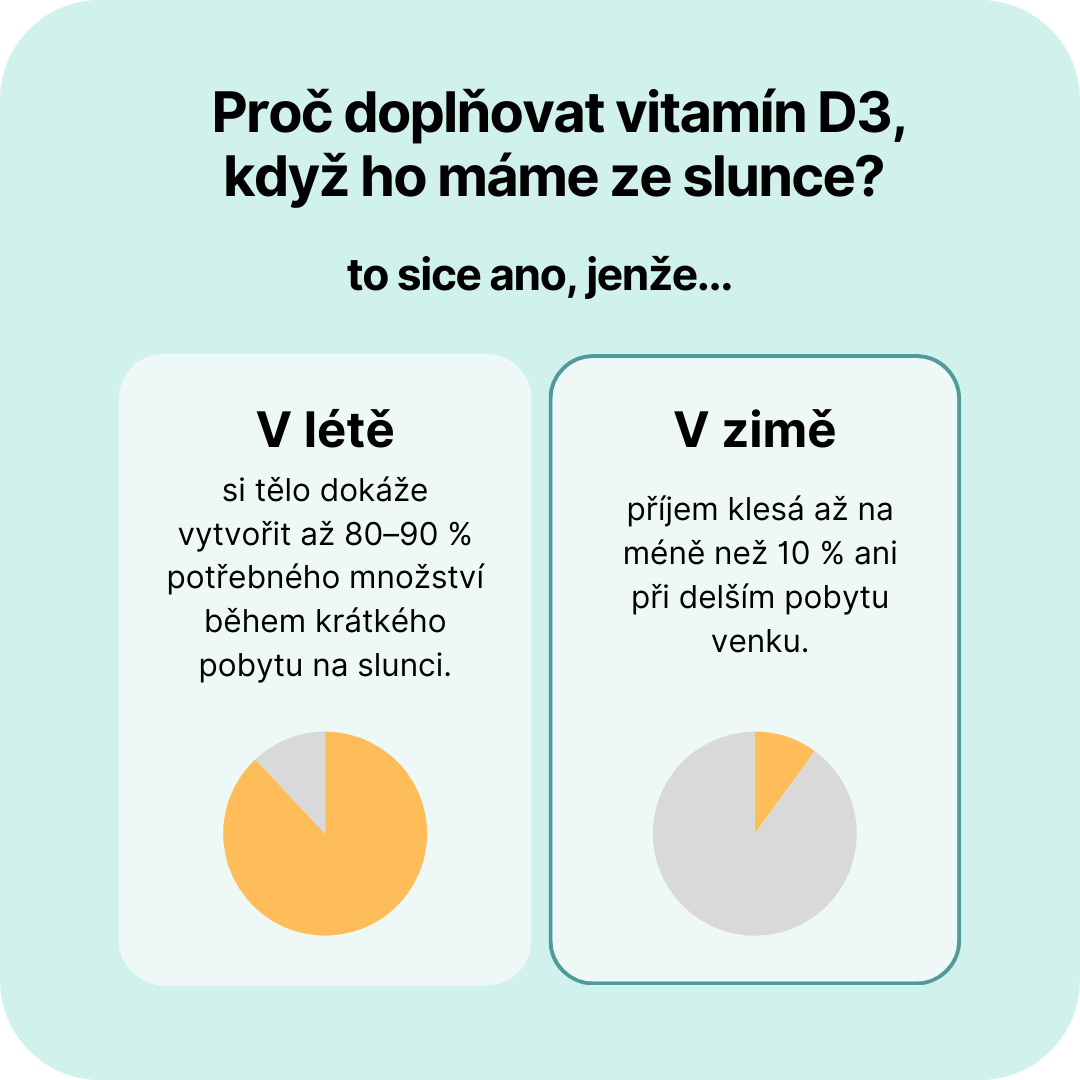
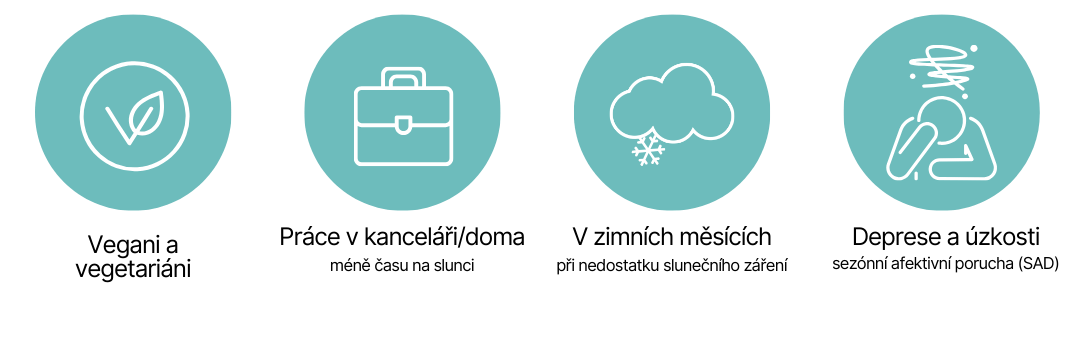
When is Vitamin D3 most needed?
.png)
Why and when to take vitamin D for hair?
When to take vitamin D?
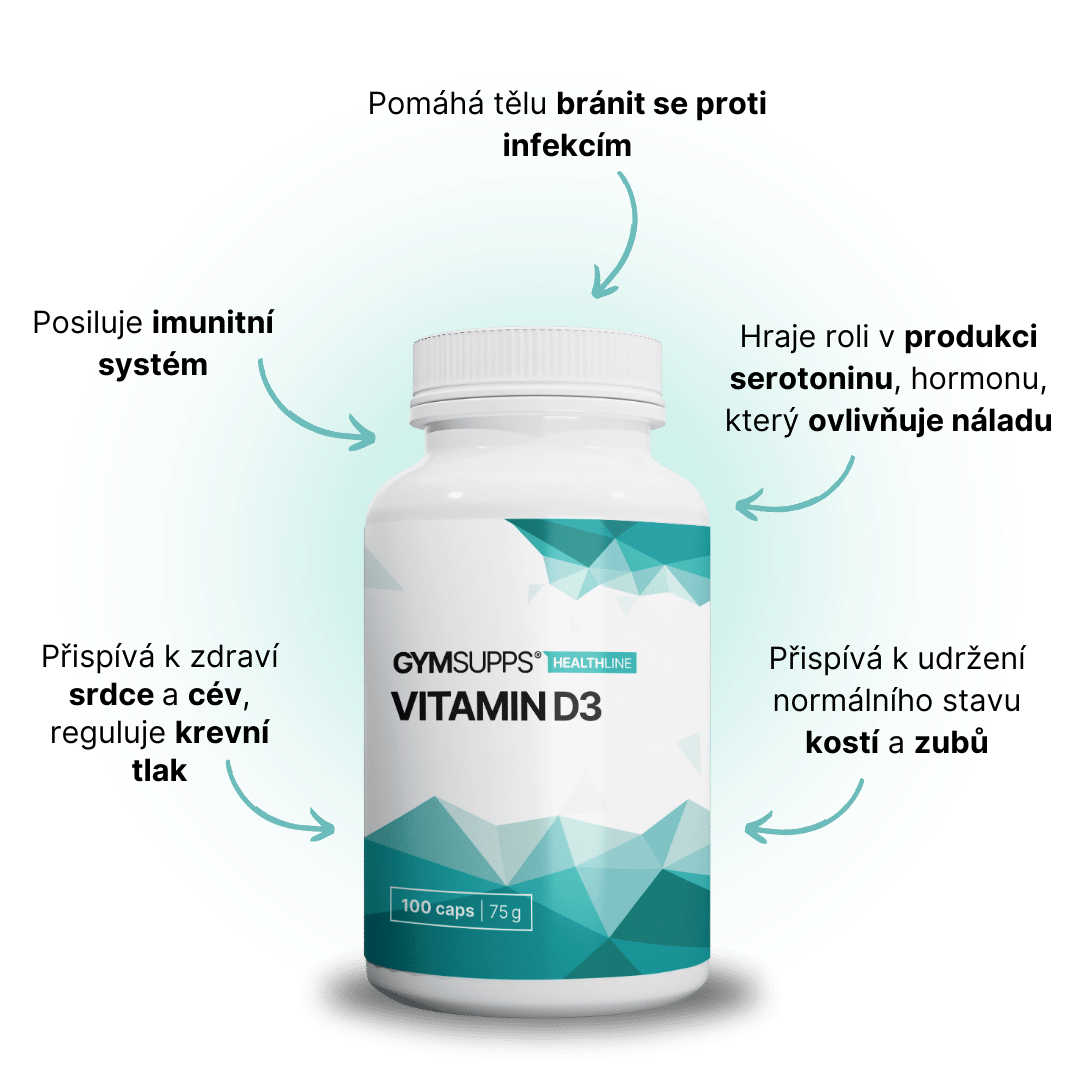
The ideal time for vitamin D supplementation depends on individual needs and lifestyle. Many experts recommend taking vitamin D in the morning, when it can boost overall energy and set the hormonal rhythm for the day. Others prefer supplementation in the evening, when the body regenerates and repairs damaged tissues. The key is to take vitamin D regularly, and daily, to maximize its long-term effects. It is also important to take vitamin D with a meal containing fat, as this greatly improves its absorption.
What is the best way to supplement vitamin D?
In addition to supplements that provide a well-defined daily dose of vitamin D, it is advisable to supplement with natural sources. Sunlight is the best natural source, but if you live in an area with limited sunlight, a combination of supplements and diet is recommended. Foods such as oily fish, eggs and fortified dairy products can be good sources of vitamin D, but the amount is often not enough to meet the needs of active individuals. Therefore, supplementation is an effective way to ensure optimal levels.
What is the daily dose of vitamin D?
According to scientific studies, adults should take approximately 600-800 IU of vitamin D per day. However, athletes and people with vitamin D deficiency may need higher doses, up to 2000 IU per day. Therefore, the optimal daily dose of vitamin D3 may vary according to individual needs, blood tests and lifestyle. It is therefore advisable to consult a nutritionist or physician for supplementation.

Scientific studies and evidence
Several studies confirm that vitamin D supplementation has a direct effect on hair health:
- Sudie (Proksch et al. 2014) found that collagen supplementation, supported by optimal vitamin D levels, leads to improved skin hydration and elasticity, which also has an indirect effect on hair health.1
- Other studies suggest that optimal blood levels of vitamin D are associated with better hair follicle regeneration and lower rates of hair loss, confirming the importance of proper supplementation for overall hair health.2
- Research published in the Journal of Dermatology shows that vitamin D deficiency may be associated with alopecia, while supplementation promotes hair growth and improves hair quality.3
These studies provide a solid scientific basis for the claim that adequate vitamin D intake is crucial for hair health.
Practical tips for effective vitamin D supplementation for hair
- Take vitamin D regularly: to achieve stable levels in your body, it's important to make vitamin D part of your daily regimen.
- Consume with a meal containing fat: Add vitamin D to a meal that contains healthy fats (e.g. avocados, nuts, olive oil) for better absorption.
- Monitor your levels: Regular blood tests can help you see if your vitamin D levels are at optimal levels and allow you to adjust your dosage.
- Take advantage of sunlight: If possible, give yourself regular exposure to sunlight. Even a short 10-15 minute exposure a few times a week can have significant benefits.
- Include vitamin D-rich foods in your diet: In addition to supplements, try to consume fatty fish, eggs and fortified dairy products.
- Consult a professional: If you suspect a vitamin D deficiency or have specific health needs, don't hesitate to consult a doctor or nutritionist.
Conclusion
Vitamin D plays a vital role not only in supporting bone and immune health, but also in maintaining the beauty and vitality of hair. Optimal levels of vitamin D can promote hair growth, reduce hair loss and improve the overall quality of the scalp. Scientific studies confirm that proper vitamin D supplementation helps regenerate hair follicles and provides better nutrient circulation, leading to significantly healthier and stronger hair. Keep in mind that regular and well-timed supplementation along with a balanced diet and natural sun exposure is the key to achieving the best results.
Investing in good quality vitamin D and following the right regimen can have a long-term positive effect not only on your hair, but also on your overall health. Remember that beauty comes from within and that every day you take care of your body is a step towards a better and healthier future.
Recommended
Czech Virus Vitamin D3

GymSupps Vitamin D3
Vitamin D3 100cps 1+1
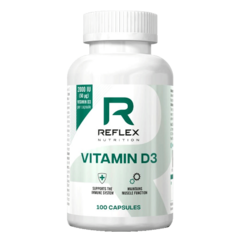
Reflex Vitamin D3
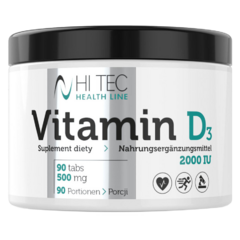
HiTec Vitamin D3 2000 IU
Links to studies
- Proksch, E., Schunck, M., Zague, V., Segger, D., Degwert, J. & Oesser, S. (2014). Oral supplementation of specific collagen peptides has beneficial effects on human skin physiology: a double-blind, placebo-controlled study. Skin Pharmacology and Physiology.
- Holick, M.F. (2007). Vitamin D deficiency. New England Journal of Medicine.
- Sinclair, R.D., et al. (2013). Association between vitamin D deficiency and alopecia areata in an Australian population. International Journal of Dermatology.
No posts have been made yet.