Sources of vitamin D: The sun and the right foods
 Author:
 Vitamin D is one of the essential nutrients that are necessary for the proper functioning of the human body. While other vitamins are relatively easy to take from the diet, vitamin D is mainly associated with exposure to sunlight. For many of us, it is therefore crucial to understand what vitamin D is, what foods contain it and how to use it properly. This article provides a comprehensive overview of what vitamin D contains, what the sources of vitamin D are, and why adequate intake is essential for health and performance.
Article content:
- Why is vitamin D important?
- How the sun contributes to vitamin D production
- What is vitamin D: The main food sources
- What vitamin D contains: Selected foods and their benefits
- Ways to supplement vitamin D: Sun vs. diet vs. supplementation
- Practical tips for getting enough vitamin D
Why is vitamin D important?
Vitamin D plays a key role in many biological processes. It contributes to maintaining bone health, promotes calcium and phosphorus absorption, influences the immune system, and regulates hundreds of genes in the human body1. Vitamin D deficiency can lead to thinning bones, higher risk of fractures, weaker immunity, and other health problems. Athletes, seniors or people with limited access to sunlight may be particularly at risk of deficiency.
How the sun contributes to vitamin D production
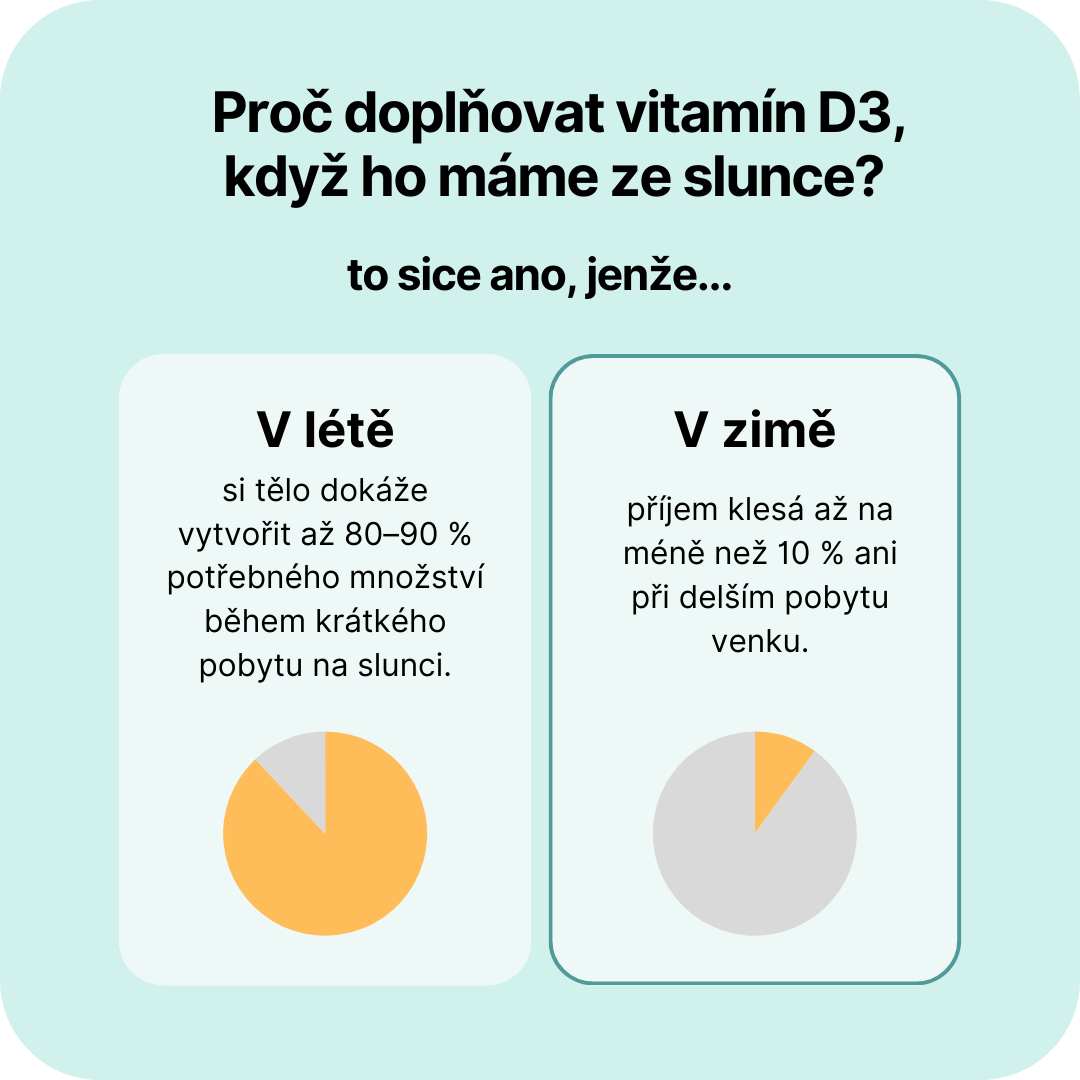
The unique thing about vitamin D is that the body can produce it on its own when the skin is exposed to ultraviolet (UVB) radiation. Vitamins from the sun are a natural way to ensure you get enough of this nutrient without having to rely on diet alone. It only takes 10-30 minutes a day (depending on the season, latitude, skin colour and intensity of sunlight) for the body to produce the necessary amount of vitamin D2. However, too long or intense exposure to the sun can lead to sunburn and an increased risk of skin cancer. It is therefore important to find a suitable compromise between sun exposure and skin protection.
Factors affecting vitamin D synthesis from the sun
- Latitude and season: In areas further from the equator and during the winter months, the intensity of UVB radiation is lower, reducing the body's ability to produce vitamin D.
- Time of day: The highest amount of UVB radiation hits the Earth around midday. Being in the sun at this time may be more effective, but the risk of sunburn increases.
- Skin color: People with darker skin need longer exposure to sunlight to produce the same amount of vitamin D, because melanin protects the skin from UVB radiation.
- Sunscreen: Using a high SPF limits the penetration of UVB rays into the skin and reduces vitamin D production, but protects against sunburn and skin cancer.
What is vitamin D: The main food sources
In addition to sunlight, vitamin D can be obtained from certain foods. While these sources are not very abundant, they can be especially important during the winter months or for individuals with limited exposure to the sun.
1. Fatty fish
Salmon, mackerel, sardines or tuna are among the most important sources of vitamin D in the animal kingdom. These fish contain high levels of vitamin D3, which is the most bioavailable to the body3. A serving of salmon (about 100-150 g) is enough to cover a significant portion of the daily vitamin D requirement.
2. Egg yolks
Egg yolks are another important source of vitamin D. Although they contain smaller amounts of vitamin D compared to oily fish, they can still contribute to your daily intake, especially if you eat eggs regularly.
3. Fortified foods
Some dairy products, margarines or cereals are fortified with vitamin D to improve their nutritional profile. While they don't always contain high doses, they can help fill in the gaps in intake, especially for children and seniors who don't need too many calories but want to maintain adequate levels of this vitamin.
4. Mushrooms
Certain types of mushrooms, especially those that have been exposed to UV light, may contain vitamin D2. Although vitamin D2 (ergocalciferol) is less effective than vitamin D3 (cholecalciferol), it can still help to partially meet daily needs, especially for vegetarians and vegans.
When is Vitamin D3 most needed?
What does vitamin D contain: Selected foods and their benefits
For quick reference, here is a brief overview of foods that contain vitamin D and how they can contribute to your daily intake:
- Salmon (100g): can provide 50-100% of the recommended daily intake depending on the species (wild vs. farmed).
- Mackerel (100 g): contains similar amounts of vitamin D as salmon.
- Egg yolk (1 piece): Contributes a smaller but important amount, especially if consumed daily.
- Fortified milk (250 ml): May contain 10-25% of the daily allowance, depending on the level of fortification.
- UV-exposed mushrooms (100 g): May provide 10-15% of the daily dose of vitamin D2.

Ways to supplement vitamin D: Sun vs. diet vs. supplementation
Vitamin D - sun vs. vitamins from the sun
Being in the sun is the most natural way to increase vitamin D levels, and short-term exposure to UVB radiation (10-30 minutes per day) is often sufficient. However, geographical conditions, season, skin colour and sunscreen use can limit this ability4. Therefore, it is important to combine vitamin D with a varied diet and, where appropriate, supplementation.
Supplementation
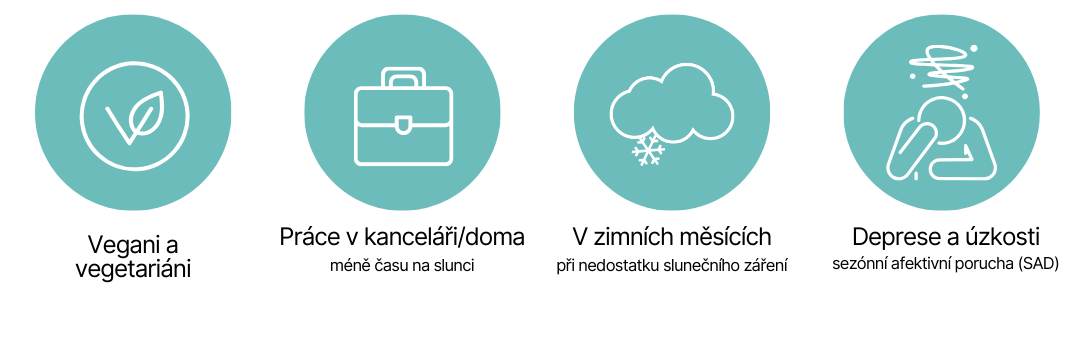
If your diet does not contain sufficient sources of vitamin D and you have limited access to sunlight, it may be advisable to choose a good quality vitamin D3 supplement. This is the most biologically effective form and best mimics natural synthesis in the skin. Athletes may also choose supplements enriched with other micronutrients such as calcium, magnesium or vitamin K2, which together support bone density and muscle function.

Practical tips for getting enough vitamin D
- Short and regular sun exposure: Expose your arms and face to the sun for 10-20 minutes a day, preferably in the morning or afternoon. Avoid midday heat to reduce the risk of sunburn.
- Include oily fish in your diet: Have a portion of salmon, mackerel or sardines once or twice a week. If you don't eat fish, you can use fortified dairy products or mushrooms with vitamin D.
- Egg yolks: Add eggs to your diet, ideally from free-range hens, which may have a higher vitamin D content.
- Fortified foods: Take advantage of vitamin D-fortified foods (e.g., certain types of milk, cereals or margarines).
- Supplementation: If you live in areas with a lack of sunshine or have limited sun exposure, consider vitamin D3 supplements. For athletes, products fortified with other minerals and vitamins that support overall performance may be ideal.
Conclusion
Vitamin D sources play a key role in sports nutrition and overall health. While vitamins from the sun are the most natural way to get enough of this important micronutrient, geography, climate or lifestyle may limit this opportunity. Therefore, it is advisable to combine vitamin D with a good diet and, where appropriate, quality supplementation to ensure optimal vitamin D intake throughout the year.
Focusing on foods that contain vitamin D, such as oily fish, egg yolks or fortified products, is an essential supplement to obtain vitamin D. For athletes of all levels, maintaining adequate vitamin D levels is crucial as it contributes to better immunity, healthy bones, efficient muscle contraction and overall athletic performance.
Recommended
Reflex Vitamin D3
Czech Virus Vitamin D3

GymSupps Vitamin D3
Vitamin D3 100cps 1+1
Links to studies
- 1) Holick, M.F. (2007). Vitamin D deficiency. The New England Journal of Medicine.
- 2) Wacker, M., Holick, M.F. (2013). Sunlight and Vitamin D: A global perspective for health. Dermato-Endocrinology.
- 3) Cashman, K.D., et al. (2016). Dietary Reference Values for vitamin D. The American Journal of Clinical Nutrition.
- 4) Heaney, R.P. (2008). vitamin D in health and disease. Clinical Journal of the American Society of Nephrology.
No posts have been made yet.