The effects of vitamin D and what it is good for
 Author:
 Vitamin D is one of the most important micronutrients the body needs to function properly. Although it is often referred to as the "sunshine vitamin", its importance goes far beyond mere synthesis in the sun. In this article, we'll look at what vitamin D is good for, what its effects are, why vitamin D3 is important, what its side effects may be, and we'll also discuss what vitamin D is good for in terms of overall health, athletic performance, and prevention of a number of diseases.
Article Content:
- What is vitamin D and why is it important?
- What is vitamin D for?
- What is vitamin D3 good for?
- Side effects of Vitamin D and how to minimize them
- Vitamin D and sports performance
- How to ensure adequate vitamin D intake
- Recommended dosage and tips for effective use
- Vitamin D - cholesterol, acne and diarrhea
What is vitamin D and why is it important?
Vitamin D belongs to a group of lipophilic (fat-soluble) vitamins that the body needs for a variety of physiological processes. When we talk about what vitamin D is for, we usually emphasize its role in the metabolism of calcium and phosphorus, which affects the health of bones, teeth and muscles. However, it is often forgotten that it has other key functions as well:
- Supporting the immune system: Adequate levels of vitamin D contribute to the body's better defenses against infections and may help reduce inflammatory reactions.
- Regulation of gene expression: Vitamin D affects hundreds of genes, which translates into many aspects of health, including blood pressure regulation and glucose metabolism.
- Hormonal balance: The so-called vitamin D hormone (calcitriol) is involved in a number of endocrine processes, including the regulation of the production of certain hormones.
Due to these properties, we can say - it is essential for a wide range of biological functions and its sufficient intake is crucial for maintaining optimal health.
Vitamin D2 vs. Vitamin D3
Vitamin D comes in two main forms: vitamin D2 (ergocalciferol) and vitamin D3 (cholecalciferol). Vitamin D2 is mainly found in plant sources or, for example, in mushrooms, while vitamin D3 is of animal origin and is synthesised in the skin when exposed to sunlight (UVB rays). Research suggests that vitamin D3 is more biologically active and effective in increasing blood levels of vitamin D1. Therefore, most dietary supplements focus on vitamin D3.

What is vitamin D for?
People often ask what vitamin D is good for or what vitamin D3 is good for. The answer can be divided into several areas:
- Bone and muscle health: the most well-known function of vitamin D is to promote the absorption of calcium and phosphorus in the intestines, which is key to maintaining strong bones and preventing osteoporosis. Combined with adequate protein intake and regular exercise, it helps maintain muscle strength.
- Immune function:effects include the regulation of immune responses. Low levels of vitamin D may be associated with increased susceptibility to infections and inflammatory diseases.
- Hormonal regulation: Functions also include affecting a number of hormones, including parathyroid hormone, which regulates blood calcium levels. Proper levels of vitamin D can positively affect metabolism and energy balance.
- Support cardiovascular health: Adequate intake of vitamin D can help regulate blood pressure and lipid profile.
- Skin health and acne: Adequate intake of vitamin D can promote skin regeneration and reduce inflammatory symptoms, which may be helpful for acne (although it is not a cure-all for this problem).
Effects of vitamin D3 : What is vitamin D3 good for?
Vitamin D3 is considered a more biologically active form that is better utilized by the body. What is it good for? Key effects include:
- Faster increase in blood levels: Vitamin D3 takes effect faster than D2, which is important if you suffer from a significant vitamin D deficiency.
- Higher bioavailability: the effect is stronger and more stable, meaning smaller doses can achieve the same results as larger doses of D2.
- Support calcium metabolism: Vitamin D3 improves the absorption of calcium and phosphorus, thereby promoting bone strength and muscle strength.
.png)
Vitamin D side effects and how to minimize them
Although vitamin D is generally safe, side effects can occur at extreme doses. These include:
- Hypercalcaemia: Excessive intake of vitamin D can cause blood calcium levels to become too high, which can lead to digestive problems and impaired kidney function.
- Digestive upset: Some individuals may experience diarrhea or other digestive problems if they take high doses of supplements.
- Insomnia or nervousness: Excessive doses of vitamin D can theoretically affect some hormonal processes, which may manifest as irritability.
To minimize risks, it is advisable to follow recommended dosages and consult a doctor or nutritionist2 if in any doubt about taking vitamin D. Side effects do not occur in most people as long as the recommended doses are followed.

Vitamin D and sports performance
Athletes often ask what vitamin D is good for in terms of performance. Research suggests that optimal levels of vitamin D may contribute to better muscle function, strength and endurance. In addition, supporting immunity and healthy bones is key for demanding training cycles. If an athlete suffers from vitamin D deficiency, they may experience fatigue, slower recovery and a higher risk of injury3. Therefore, it is important to monitor vitamin D levels in athletes on a regular basis.

How to ensure sufficient vitamin D intake
- Sun exposure: The natural source of vitamin D is sunlight (UVB rays). Exposure to the sun for 10-30 minutes a day (depending on skin phototype) can cover part of your daily requirement. However, in the winter months or with limited outdoor exposure, this source is insufficient.
- Foods rich in vitamin D: These include oily fish (salmon, mackerel, sardines), egg yolks and fortified dairy products. However, the amount of vitamin D in foods is not always sufficient to meet higher requirements.
- Supplementation: to ensure optimal levels, it is often necessary to supplement vitamin D in the form of dietary supplements.
Recommended dosages and tips for effective use
- Usual daily doses: range from 1,000 to 4,000 IU (25-100 µg) per day, depending on age, gender, season and health status. For athletic activity or confirmed deficiency, a physician may recommend higher doses.4
- Taking it with fat: Vitamin D is fat-soluble, so it should be taken with food that contains some healthy fats (e.g., avocados, nuts, vegetable oils). This aids its absorption.
- Regular testing: measuring your blood levels of 25-hydroxyvitamin D helps determine whether you have enough vitamin D or need higher doses.
- Risk reduction: To avoid side effects (e.g. hypercalcemia), it is important to follow recommended doses and consult a supplementation specialist if necessary.

Vitamin D - cholesterol, acne and diarrhea
Vitamin D cholesterol
Vitamin D acne
Some studies and personal experience suggest that acne may be related to inflammatory processes in the skin. Adequate vitamin D intake may help reduce inflammatory symptoms and promote skin cell renewal. However, it is not a universal cure for acne, but rather a supportive factor.
Vitamin D diarrhea
Although most people do not experience side effects, some individuals may be more sensitive and experience digestive difficulties such as diarrhea. If these difficulties occur, it is advisable to reduce the dose and monitor whether the situation improves. In case of persistent problems, consultation with a physician is recommended.
Summary and conclusion
Vitamin D is essential for bone health, muscle health, immunity and many other bodily functions. What vitamin D is good for can be answered briefly: it ensures calcium absorption, promotes hormonal balance, strengthens immunity, and may positively influence athletic performance and recovery. The effects of vitamin D are important for a wide range of processes in the body.
In terms of what vitamin D3 is good for, its role in maintaining optimal bone density and supporting muscle strength should be emphasized. Although side effects of vitamin D may include hypercalcemia or digestive upset, when recommended doses are followed and a professional is consulted, the risk is minimal. For athletes, vitamin D is crucial for maintaining muscle mass, speeding recovery and preventing injury, while a deficiency can lead to fatigue, slower progress and a greater risk of disease.
In terms of practical advice, it is best to opt for vitamin D3 for higher bioavailability and faster onset of action. Consumption with a fat-containing meal aids absorption, as does adequate intake of other key micronutrients. Vitamin D3 is especially good for supporting bone health, muscle health, immunity and maintaining a stable hormonal balance. Incorporating vitamin D into your daily regimen is thus a sensible strategy for anyone who wants to live an active life, protect their health and boost performance.
Recommended

GymSupps Vitamin D3
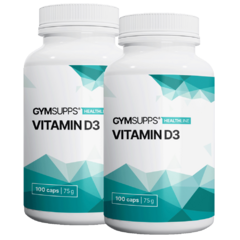
Vitamin D3 100cps 1+1
Links to studies
- 1) Holick, M.F. (2004). Sunlight and vitamin D for bone health and prevention of autoimmune diseases, cancers, and cardiovascular disease. American Journal of Clinical Nutrition.
- 2) Bischoff-Ferrari, H.A., et al. (2006). Vitamin D and calcium supplementation: a review of the evidence for preventive effects on bone and muscle health. Current Opinion in Clinical Nutrition and Metabolic Care.
- 3) Larson-Meyer, D.E., Willis, K.S. (2010). vitamin D and athletes. Current Sports Medicine Reports.
- 4) Ross, A.C., et al. (2011). Dietary reference intakes for calcium and vitamin D. Institute of Medicine.
No posts have been made yet.