Excess vitamin D: Symptoms and what to do if you overdose
 Author:
 Vitamin D, often referred to as the "sunshine vitamin", has enjoyed enormous popularity in recent years. Its key role in supporting the immune system, bone health and general well-being is now widely recognised. In the pursuit of health and prevention, many of us reach for dietary supplements to ensure we get enough of it, especially during the winter months. However, the slogan 'the more the merrier' can be not only untrue but also dangerous. Although vitamin D deficiency is a widespread problem, there is another, less common but all the more serious side of the coin: toxicity from overdose.
This article does not aim to scare, but to educate. Based on proven scientific evidence, we'll look at what happens in the body when vitamin D is in excess, what the warning signs are, and what the proper course of action is if you suspect an overdose. Knowing the basics is the key to taking supplements safely and effectively.
Article content:
- How rare is toxicity and who is at risk?
- Scientific Background: What happens in the body during an overdose?
- Warning Signs: How to recognize the signs of an overdose?
- Diagnosis and treatment: what to do if suspected?
How rare is toxicity and who is at risk?
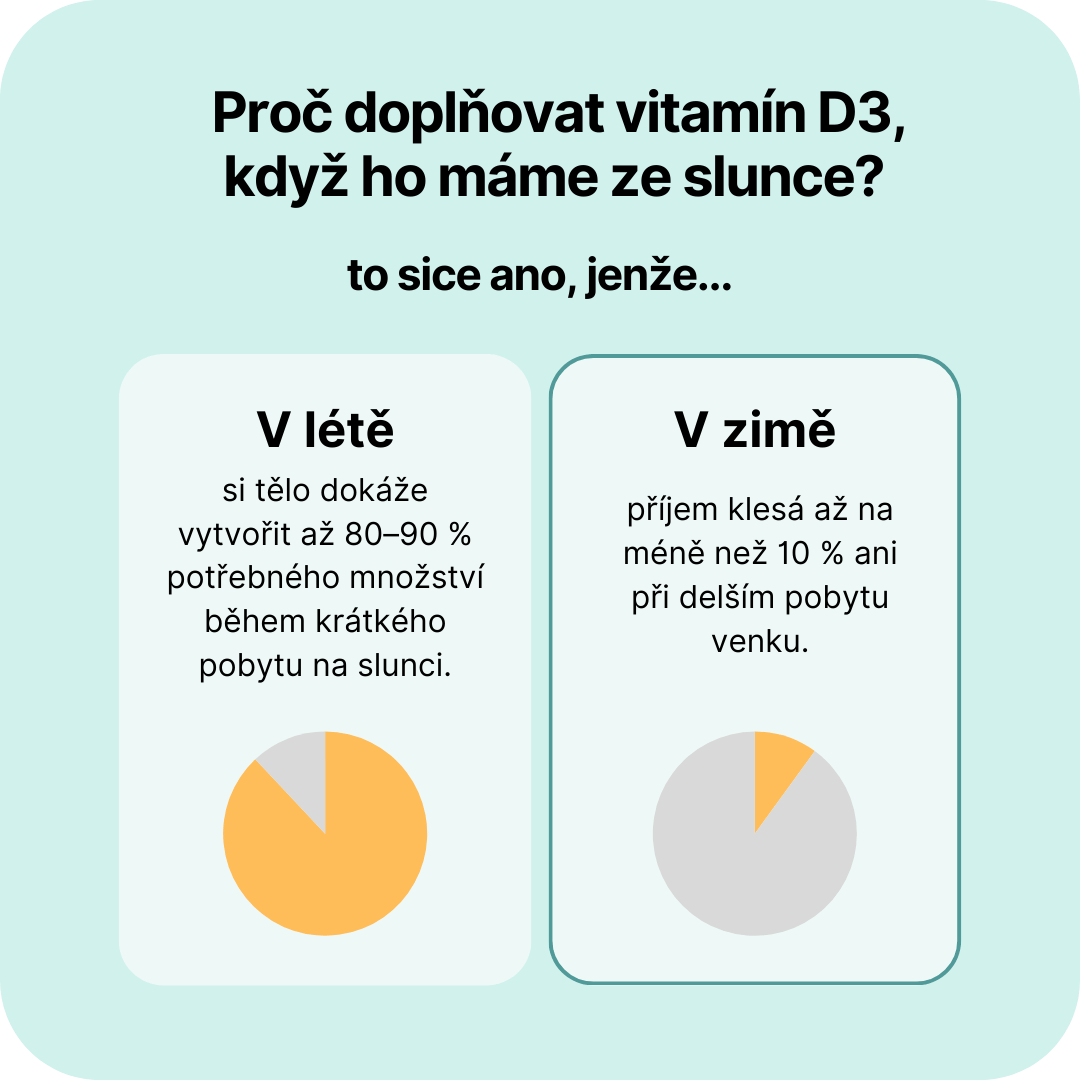
First, let's set the record straight: vitamin D toxicity (technically hypervitaminosis D) is a relatively rare condition.¹ It is virtually impossible to get it naturally - that is, by being out in the sun or eating ordinary foods. Our body has clever regulatory mechanisms that prevent excessive production of this vitamin when exposed to sunlight.
The problem arises almost exclusively in connection with dietary supplements. The scientific literature agrees that the cause is almost always the incorrect and excessive use of high-dose preparations, often without medical supervision.² Risky situations arise, for example, when dosage errors occur, when someone accidentally takes a dose that is hundreds of times higher, or when extreme doses are taken over a long period of time in the mistaken belief that this will boost their health. Unfortunately, with the increasing availability and popularity of highly concentrated supplements, the number of such cases is also increasing.
Scientific Background: What happens in the body during an overdose?
To understand the symptoms, we must first understand the mechanism of toxicity. The main culprit of the problems is not vitamin D itself, but the effect it has on the calcium levels in our body. In fact, vitamin D fundamentally increases the absorption of calcium from the intestine and also the release of calcium from the bones into the bloodstream.
At normal vitamin D levels, this process is beneficial and crucial for bone strength. However, if there is an extreme excess of vitamin D in the body, this mechanism gets out of control. The intestines begin to absorb too much calcium and the bones begin to release it excessively. The result is hypercalcemia - a dangerously high concentration of calcium in the blood. And it is this excessive calcium level that is responsible for the vast majority of the symptoms and health complications associated with vitamin D toxicity.¹,²
Warning Signs: How to recognize the signs of an overdose?
Symptoms of hypervitaminosis D are often nonspecific and can develop creepingly, which can make early diagnosis difficult. They arise directly from the consequences of hypercalcaemia and affect several body systems. It is good to be aware of them so that you can be alert in time.
1. Neurological and psychological manifestations:
Calcium plays an important role in the functioning of the nervous system. Its excess can lead to:
- Confusion, apathy, inability to concentrate.
- Extreme fatigue and lethargy
- In severe cases, muscle weakness, depression or even coma
2. Gastrointestinal (digestive) problems:
High calcium levels also affect the digestive tract, which can manifest as:
- Nausea and repeated vomiting
- Abdominal pain and constipation
- Loss of appetite
3. Renal (kidney) symptoms:
The kidneys try to expel excess calcium from the body, leading to congestion. Typical symptoms include:
- Polyuria: Excessive urination as the body tries to "flush out" calcium.
- Polydipsia: Intense, unquenchable thirst that is a direct result of large fluid losses through urination.
- Dehydration: a logical consequence of the previous two points.
Long-term untreated hypercalcemia can lead to severe kidney damage, kidney stone formation and, in the worst cases, kidney failure.

Diagnosis and treatment: what to do if suspected?
If you observe a combination of the above symptoms on yourself while taking high doses of vitamin D, it's time to be alert and take action.
1.
The first and absolutely essential step is to stop all supplements containing vitamin D and also calcium immediately. This is a prerequisite for starting treatment.
2. Seek medical help
Vitamin D overdose is not a condition that can be treated at home. It is essential to see a doctor as soon as possible. The doctor will make a diagnosis based on your medical history (ask about your supplementation habits) and blood tests. Measurements are key:
- 25-hydroxyvitamin D (25(OH)D) levels: this is the main indicator of vitamin D stores in the body. Levels above 150 ng/ml are generally considered toxic.²
- Blood calcium levels: To confirm hypercalcemia.
3. How is treatment carried out?
Treatment depends on the severity of the condition. Milder cases may only require discontinuation of supplements and close monitoring. More severe cases with marked hypercalcemia require hospitalization, where treatment primarily involves:
- Rehydration: administration of intravenous (intravenous) fluids to dilute the blood and promote calcium excretion by the kidneys.
- Calcium-lowering drugs: Diuretics (drugs to promote urination) or corticosteroids may be given to reduce calcium absorption in the intestines.
.png)
Conclusion.
Vitamin D is indispensable for our bodies, but as with everything, everything in moderation. This article shows that although toxicity is rare, its consequences can be very serious. Its cause is almost always due to unwise and excessive use of dietary supplements.
So the message is clear: approach supplementation responsibly. Follow the recommended daily doses and never experiment with extremely high doses without consulting a specialist. If you are considering taking higher doses for any reason, consult your doctor first, who can use blood tests to determine a dosage tailored to your exact needs. This is the only way to ensure you get all the benefits of a sunshine vitamin without unnecessary risk.
Recommended

Sources:
- ¹ Marcinowska-Suchowierska, E., Kupisz-Urbańska, M., et al. Vitamin D Toxicity - A Clinical Perspective. Frontiers in Endocrinology, 2018.
- ² Galior, K., Grebe, S., and Singh, R. Vitamin D Toxicity. In: StatPearls, 2024.
No posts have been made yet.